REVIEW · FUNCHAL
Full Day Santana Wonders and Northeast 4WD Experience
Book on Viator →Operated by Green Devil Safari · Bookable on Viator
Madeira by 4WD feels like a secret side door. This full-day trip tackles the island’s northeast in one long day, with hotel pickup, short sightseeing stops, and plenty of time to take in the views. I like that the guide turns those stops into something you can actually understand, not just snap-and-go.
Two big wins for me are the off-road 4WD countryside ride and the way guides (including Jose, Duarte, and Leno in past groups) point out plants, coastline details, and local farming connections. One thing to consider: lunch isn’t included, and depending on where you start from, pickup fees can add to the price.
You’re out roughly 8 hours starting at 8:30 am, and the day is built around a string of photo-worthy places with quick breaks. That style is ideal if you want a lot of variety without hours of hiking, but it also means you’ll have less time to linger in any single village.
In This Review
- Quick reasons this day tour works (and for whom)
- Meeting at 8:30 and riding out of Funchal in 4WD
- São Vicente manor houses: wine wealth in stone
- Ponta Delgada and Boaventura: church by the sea, then quiet valleys
- Arco de São Jorge: a seaside village powered by microclimates
- Santana and the famous triangular houses (plus levada ideas)
- Fortim do Faial: a viewpoint with English artillery
- Porto da Cruz: sugarcane routes to rum and festival energy
- Engenhos do Norte: steam-powered rum distillery with working machines
- Caniçal: tuna fishing origins and the reeds story
- Guides are the secret ingredient: Jose, Duarte, Leno, and Lino
- Language note
- Price and value: $81.66 for 8 hours, but watch the add-ons
- Who should book this Madeira 4WD northeast day
- What to bring
- Should you book this Santana Wonders and Northeast 4WD day?
- FAQ
- What time does the tour start and how long is it?
- What’s included in the price?
- Is lunch included?
- Are there extra fees for pickup outside the free zone?
- Do I pay for entry tickets at the stops?
- What are the cancellation terms?
Quick reasons this day tour works (and for whom)
- Real northeast driving in a 4WD: you’re not stuck only on main roads.
- Guide-led stops: ask questions and you’ll get real answers about plants, agriculture, and history.
- A rum-and-sugarcane story that’s hands-on: Engenhos do Norte still runs on steam power.
- Santana’s iconic triangular houses: you see the famous look, plus nearby viewpoints.
- Short, manageable stop times: most stops are around 5–20 minutes, so you can handle the schedule.
- Pickup from Funchal and Caniço: easy start, with extra pickup fees outside that zone.
Meeting at 8:30 and riding out of Funchal in 4WD
The day starts early enough to feel like you’ve gotten somewhere by mid-morning. Pickup is offered from Funchal and the Caniço center with a confirmed pickup time after booking, and you’ll use a mobile ticket. The operator notes the tour can take up to 50 people, so it’s large enough to be easy logistics-wise, but still small enough that your guide can keep track of the group.
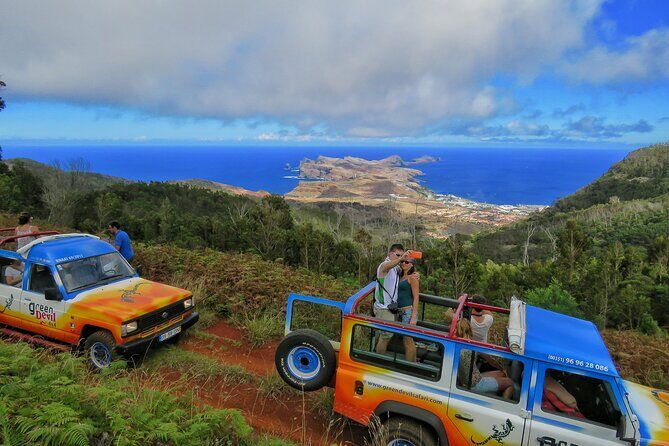
What makes this tour feel different is the 4WD aspect. Even when the stops themselves are quick, the drive through Madeira’s north and northeast is where you get that “change of scenery every few minutes” feeling. If you like the thrill of winding roads with occasional off-road segments, this is a good match. If you’re sensitive to rougher roads or motion, plan to bring comfort items (and wear layers, because weather can shift fast on the island).
Other 4x4 and jeep safari tours we've reviewed in Funchal


São Vicente manor houses: wine wealth in stone
Your first major stop centers on São Vicente, where the focus is on the old XVIII-century manor houses tied to viticulture. The idea is simple but powerful: when wine did well, the region built big, showy homes with a clear divide between work and status.
What you’ll see (and what to look for) is the structure: one level that supported the winepress and harvest work, and an upper “noble” level accessed from outside. That split layout helps you picture daily life rather than treating the building as a postcard.
Why this stop is worth it: it gives you context before you head deeper into smaller villages. Madeira’s north isn’t just pretty—it’s the result of farming and how people shaped the land.
Possible drawback: the time at each stop is brief (around 10 minutes here), so if you love slow museum-style visits, you may want a follow-up stop another day.
Ponta Delgada and Boaventura: church by the sea, then quiet valleys
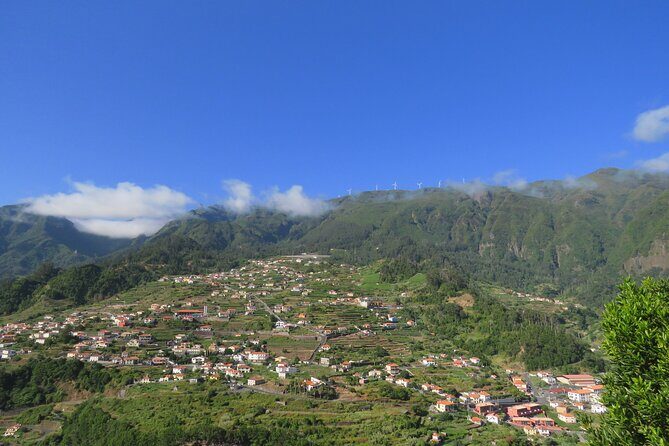
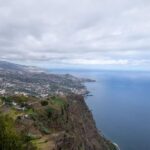
Next comes Ponta Delgada, a village that overlooks a cliff and lets you admire the church by the sea along with newer features like a pool complex. This stop is short, but it’s a good “reset your eyes” moment. Look outward first—Madeira’s north coastline reads best from above.
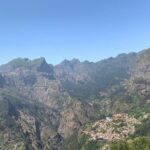
After that, the day heads toward Boaventura, described as an older colonised village that feels almost isolated. This is one of those places where the tour tempo changes: instead of rushing for landmarks, you’re absorbing the feel—tranquility, valleys cut by water courses, and the sense that nature still does a lot of the talking.
Tip for enjoying this stop: take 60 seconds before photos. Watch waterlines and vegetation edges. You’ll start spotting patterns the guide will point out later.
Consideration: this is scenic and calm, but not a shopping stop. If you’re hoping for markets or long wander time, you may feel like you’re just passing through.
Arco de São Jorge: a seaside village powered by microclimates
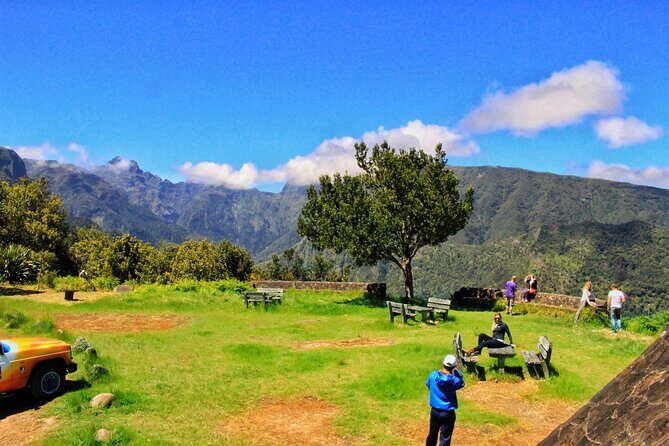
Arco de São Jorge is positioned in Madeira’s northeast with mountains nearby and vineyards in the background. The tour framing here is agriculture, not just scenery. With a population around 520, this place is small enough to feel personal but still important in the island’s growing story.
The key detail to listen for is microclimate. The area is fertile and can support multiple agricultural products, and the tour specifically connects São Jorge land to sugar cane and to Malvasia wine, the type of grape associated with Madeira wine.
Why it matters to you: when your guide links what you see (vineyards, steep slopes, village siting) to what people grow, you get more from each viewpoint. It stops being random and starts being understandable.
Practical note: plan for some uneven paths around viewpoints. Nothing extreme is promised, but Madeira villages often mean short walking sections over sloped ground.
Santana and the famous triangular houses (plus levada ideas)
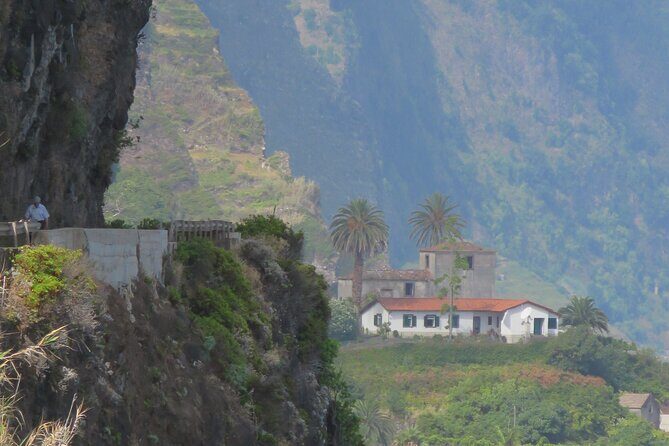
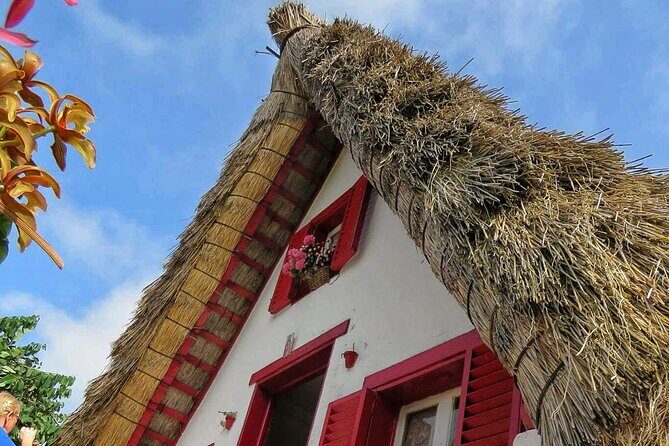
Santana is the big “Madeira looks like Madeira” stop. You’ll spend time near typical colourful triangular houses made of stone with straw thatch roofs. The tour says these houses date to the 16th century, and today many are preserved as a tourist attraction—so this is where you can get the iconic photo in one place.
From Santana, the tour also connects you to ideas for the Levada walks and Laurisilva forest routes like Queimadas and Pico das Pedras. It even mentions a long, serious option for fit walkers: Pico Ruivo at 1861 m. Real talk: most people won’t hike all that in an 8-hour day, but it’s useful to know what’s nearby for planning a separate hiking day later.
I also like how Santana gives you options. Even if you don’t do a full walk, you can still enjoy the views and the architecture. And according to guide experiences people shared, a lunch stop may be added around Santana—one example given was Cantinho da Serra—so you’re not completely out of food planning.
Potential drawback: Santana time is limited. If you’re the type who wants 2 hours to wander slowly, be aware this day is built for “many places, short stays.”
Other Santana and traditional-houses tours in Funchal


Fortim do Faial: a viewpoint with English artillery

From village charm, the day moves to a smaller but memorable stop: Fortim do Faial. The description is very specific. At the start of the 20th century, this spot served as a viewpoint, and today you can still see its role in the layout.
It’s also decorated with 10 pieces of ante-artillery of English origin, assembled in naval repairs. The artillery was traditionally used on feast days honoring Our Lady of the Nativity—another example of how Madeira ties religion, community events, and coastal life together.
Why I like this stop: it’s different from the usual “viewpoint + photo” routine. The details help you read the island’s past more clearly.
Time reality: it’s about 10 minutes, so you won’t get a full interpretation. But if you ask your guide what to notice, you’ll likely leave with a better mental picture than if you just pass by.
Porto da Cruz: sugarcane routes to rum and festival energy
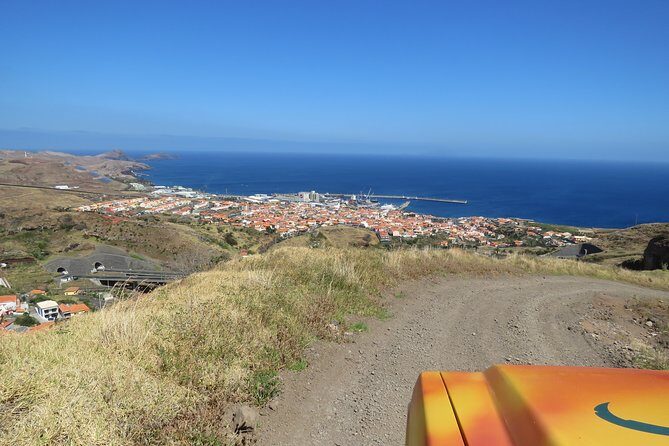
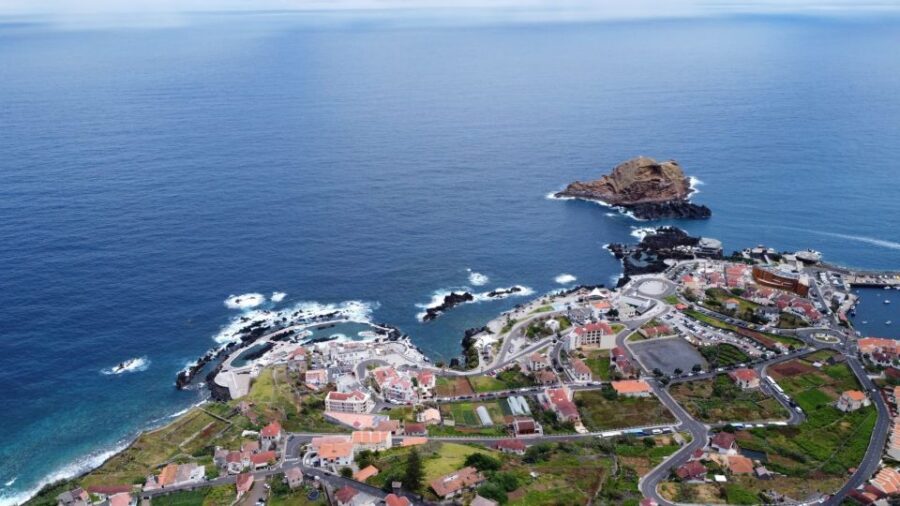
Porto da Cruz is named after a cross placed on the shore to mark the port for Portuguese explorers. That’s a nice way to connect today’s village to the broader story of Madeira as a stop on maritime travel.
This stop’s agricultural focus is sugar cane—and the tour updates the story to the present: processing continues, and the area is associated with rum and honey molasses (and it’s said that production has been in operation since 1927). It also mentions vinho seco, a dry red wine that has become popular, plus a grape festival each year.
What to do here: look for how the town sits between ocean and industry. Even if you don’t taste everything, the idea of sugarcane becoming rum makes the island’s economy feel real.
Consideration: the stop is short (around 5 minutes). Treat it as orientation, then plan to spend more time at the distillery stop that follows.
Engenhos do Norte: steam-powered rum distillery with working machines
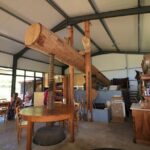
If you want a single “this is why you came” moment, it’s likely Engenhos do Norte. The tour frames it as a historic rum distillery that shows how important sugarcane has been for Madeira. What makes it special is the equipment: ancient steam engines still set the working pace, and the equipment stays operational thanks to workers who maintain it.
This is one of those places where you don’t just learn—you can see the mechanics. In real life, that’s what makes history stick. People in past groups have also described a tasting session and a guided walk-through of the facility, which fits the overall “hands-on agriculture-to-liquor story” vibe.
Who this suits: if you like practical tours—machines, how things work, and local craft—this is right in your wheelhouse. If you’re only after scenery, you might treat it as an extra stop.
Timing note: expect about 20 minutes. That’s enough for the core experience, not enough to become a distillery expert.
Caniçal: tuna fishing origins and the reeds story
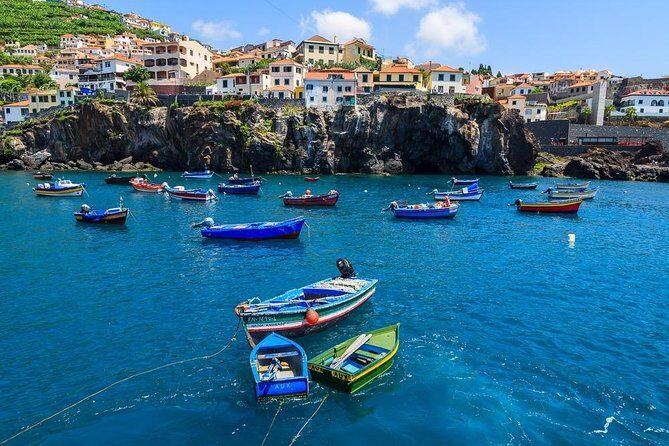
The final village stop is Caniçal, a small fishing community where tuna is central. The tour includes a neat origin story: the name Caniçal comes from caniço reeds, which grew in the parish’s more arid areas. Those reeds were originally used as fishing rods, which ties language to daily survival.
Why this matters: it gives you a different angle on Madeira than wine. Instead of viticulture wealth, you see how the island feeds itself through coastal work and resource use.
Practical comfort tip: the day ends after a full sequence of drive + stops, so if you’re prone to getting tired quickly, keep your energy up with water and a snack plan since lunch isn’t included.
Guides are the secret ingredient: Jose, Duarte, Leno, and Lino
This tour lives or dies by the guide, and the praise here is consistent. In past experiences, guides like Jose, Duarte, and Leno were described as sharing detailed information—especially about plants, trees, and wildlife—and making the day feel personal.
One guide experience highlighted that the route can include extra time when something local is happening, like a folklore festival in the Machico area. That kind of flexibility is a big deal on a limited-time day because it prevents the day from feeling like a rigid checklist.
Another point I love: people reported that guides answered questions and kept the group engaged during both the views and the travel segments. If you want this to be more than scenery, your best move is to talk to your guide early. Ask what you should notice—leaf shapes, agricultural terraces, coastline cues. That’s where the day becomes memorable.
Language note
The tour is offered in English, and one group mentioned a guide Lino who was able to accompany in French when requested. If language matters to you, it’s worth checking directly at booking.
Price and value: $81.66 for 8 hours, but watch the add-ons
At $81.66 per person, this looks like a budget-friendly way to pack a lot into one day. The value comes from three things working together:
- hotel pickup (free in Funchal/Caniço area)
- a local guide
- a 4WD driving day across several distinct northeast stops
But you should look at what’s not included. The tour specifically lists lunch and a fuel surcharge as not included. There are also cruise-related and pickup-area extra fees. If you’re starting from a cruise dock, there’s an extra €5.00 per person. Pickup beyond the free zones can add €10, €15, or €20 depending on where you’re picked up (for example, some northeastern areas and Santana have higher fees listed).
So here’s the fair way to judge value:
If you’re in Funchal or Caniço, you’re likely getting the cleanest deal. If you’re farther out or on a cruise ship, do the math first and see whether the off-road day plus guided stops still feels worth it for you.
Who should book this Madeira 4WD northeast day
This experience fits best if you want:
- a first day in Madeira style overview (a lot of places in one go)
- a driving-focused day with short, well-chosen stops
- to learn why the island looks the way it does (agriculture, coastline function, village history)
It may be less ideal if:
- you need lots of free time in each village (this tour keeps stop times short)
- you want lunch fully handled (you’ll need to plan for food)
- you hate rougher road segments (4WD days can feel more “active” than typical bus tours)
What to bring
Even though the stops aren’t all long hikes, you’ll be moving in and out of the van, walking short distances, and dealing with Madeira’s weather shifts. Bring comfortable shoes, a light layer, and something small to snack on in case your schedule runs tight.
Should you book this Santana Wonders and Northeast 4WD day?
If you’re trying to see Madeira’s northeast without committing to a full hiking schedule, I think this is a smart booking. The combination of 4WD driving, guide-led context, and variety—from São Vicente manor life to steam-powered distillery machinery—makes the day feel more meaningful than a simple scenic loop.
Book it if you enjoy learning on the move, like architecture and agriculture stories, and you’re happy with short stops that add up to a full day. Skip it (or pair it with a separate hiking day) if you want long, quiet wandering or you want everything handled with no extra planning for food.
FAQ
What time does the tour start and how long is it?
The tour starts at 8:30 am and runs for about 8 hours.
What’s included in the price?
You get a local guide and free pickup in the Funchal / Caniço center area. A mobile ticket is provided.
Is lunch included?
No. Lunch is not included.
Are there extra fees for pickup outside the free zone?
Yes. Pickup is free in Funchal and Caniço, and other areas have extra fees listed (for example, Camara de Lobos cruise dock/harbour is €5.00 per person, and areas farther out can be €10, €15, or €20 per person).
Do I pay for entry tickets at the stops?
The stop descriptions in the tour info indicate admission ticket free for each listed stop, but the tour does not include lunch and may have other optional costs depending on where you start from.
What are the cancellation terms?
You can cancel for a full refund if you cancel at least 24 hours before the experience’s start time. Free cancellation applies under that window.