REVIEW · FUNCHAL
Guided Exploration of Southwest Madeira in a 4×4
Book on Viator →Operated by Green Devil Safari · Bookable on Viator
A 4×4 day in Madeira changes your day. I love the insider-feeling roads and the way the guide keeps you moving with real explanations, not just scenery. I also love that the route mixes coastal villages with plateau viewpoints, so you get big variety in one long outing. One thing to note: it is an 8-hour day with short stop times, so if you want long beach hangs or slow hikes, you’ll feel the clock.
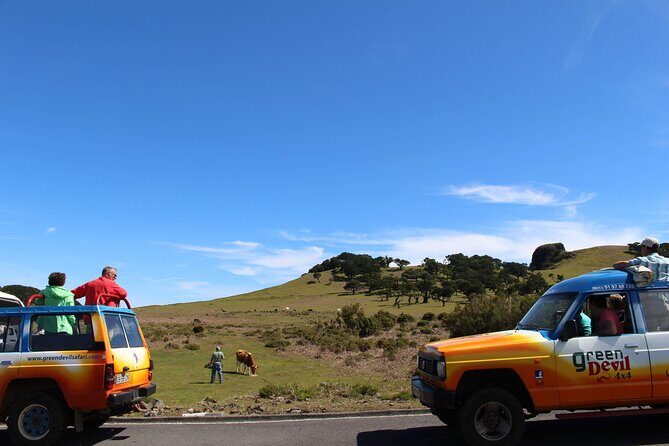
What really made this route work for me is the people behind it. In the best reviews, the driver/guide Lino comes up again and again for humor, excellent English, and smart photo breaks, including tastings of Madeira rum and time for a relaxed farm-style stop. Still, bring realistic expectations: some of the most dramatic moments are timed to fit the circuit, not to stretch into a half-day linger.
In This Review
- Key highlights in Southwest Madeira by 4×4
- Why a 4×4 Southwest circuit beats driving yourself
- 8:30 pickup in Funchal and Caniço: what you need to know
- Campanário and Ponta do Sol: a strong start on Madeira’s southwest edge
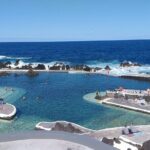
- Praia Ponta do Sol and the quiet reality of short beach time
- Paul da Serra: Pico Ruivo do Paul da Serra and the Levada do Paul experience
- Small advice for the plateau stops
- Rabacal and Prazeres: water-and-farm country on Madeira’s southwest
- Paul do Mar and Jardim do Mar: sea towns with a slower rhythm
- Calheta and Praia da Calheta: the sand stop and the sugar-sunset link
- Cascata dos Anjos: the waterfall payoff where the car can’t replace walking
- Price and value for an 8-hour, English 4×4 day
- Should you book Green Devil Safari Southwest in 4×4?
- FAQ
- What’s the duration of the Southwest Madeira 4×4 tour?
- What language is the tour offered in?
- Is pickup included?
- Is lunch included in the price?
- Is a mobile ticket used?
- How big is the group?
Key highlights in Southwest Madeira by 4×4
- Pickup convenience in Funchal and Caniço so you spend less time organizing yourself
- Driver-guides like Lino who explain what you’re seeing and keep the pace fun
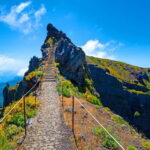
- Paul da Serra plateau time with Pico Ruivo viewpoints and a levada walk at Levada do Paul
- Rabacal and Prazeres stops that mix water-country scenery with Madeiran farming life
- Coastal villages across the southwest from Ponta do Sol to Paul do Mar and Calheta
- Cascata dos Anjos as a payoff stop where you step out and feel the mist
Why a 4×4 Southwest circuit beats driving yourself

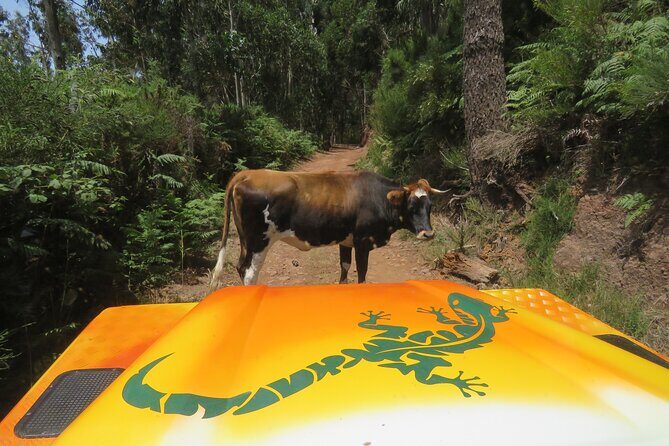
Southwest Madeira is not the place for a lazy self-drive. Roads twist, grades climb, and many of the best photo areas sit where buses and regular cars either struggle or simply don’t go. A 4×4 route helps you reach viewpoints and rural tracks you’d likely skip if you were relying only on main roads.
You also get a guide who can translate the island while you’re still in motion. This matters because Madeira can look random if you only catch it from one angle. On this circuit, you go from coastal cliffs into higher plateau space, then back down toward villages built around sea and agriculture. The day feels like a guided story of how water, farms, and ocean life shaped the island.
And yes, it’s scenic. But it’s also practical scenic. You’ll spend time in places where you can walk a bit, take photos, and then rejoin the vehicle before you’re exhausted.
Other guided tours in Funchal

8:30 pickup in Funchal and Caniço: what you need to know
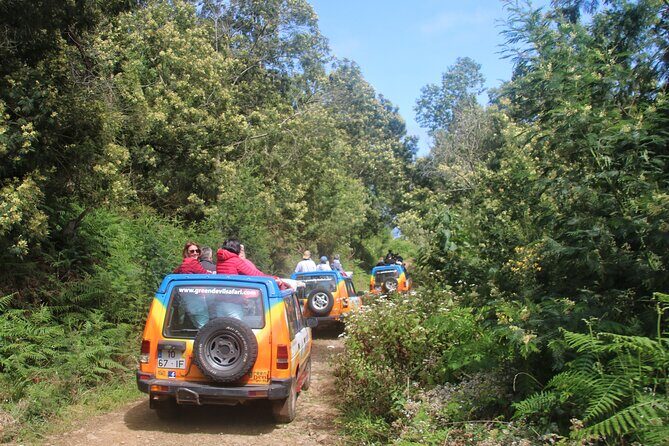
The tour starts at 8:30 am, and it offers free pickup in the Funchal center and Caniço de Baixo. That’s a big value for an island day trip, especially if you don’t want to plan parking, rental logistics, or bus schedules.
Group size is capped at 24 travelers, which usually means you’re not stuck in a huge crowd every time you stop. In a circuit like this, that matters. Small group flow keeps boarding and quick photo breaks from turning into a slow moving line.
Your best move: be ready a few minutes early at pickup. The day is long and the route includes multiple stops across different elevations. If you’re late, the schedule feels it fast.
Campanário and Ponta do Sol: a strong start on Madeira’s southwest edge

The first stop is Campanário, paired with the Ribeira Brava area feel. It’s a quick break (about 30 minutes) with free admission noted, which makes sense early in the day. You get your first taste of Madeira’s cliffs-and-hollows look, and you get to stretch before the longer drives.
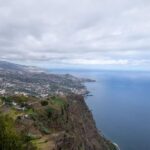
Then you roll into Ponta do Sol, Madeira’s Sun Point. Expect a laid-back coastal village perched between dramatic clifflines and the Atlantic. This is one of those places where the microclimate does the heavy lifting. On a day like this, even short time is enough to feel the difference: warmer light, sea breeze, and those postcard color blocks from traditional houses.
The stop is 30 minutes with free admission noted. That’s just enough to walk a few streets, find a café corner, and capture the “Madeira coast” vibe without feeling rushed into a full restaurant meal.
Praia Ponta do Sol and the quiet reality of short beach time
Next is Praia Ponta do Sol, again around 30 minutes. The key detail here is that admission is listed as not included. So if you’re planning to do anything beyond a simple walk-by—like paying for an activity or an entrance fee—assume you may settle that locally.
This is also where you should calibrate your expectations. This is a mixed sightseeing circuit. You’re not getting a full beach day. If your priority is swimming, set yourself up mentally for a quick dip plus photos, not a long soak.
If the weather is rough or windy, don’t be surprised if the beach portion feels more like a “stand and appreciate the coastline” stop. Madeira’s south can change fast, and the itinerary’s main goal is variety, not guaranteed swim time.
Paul da Serra: Pico Ruivo do Paul da Serra and the Levada do Paul experience
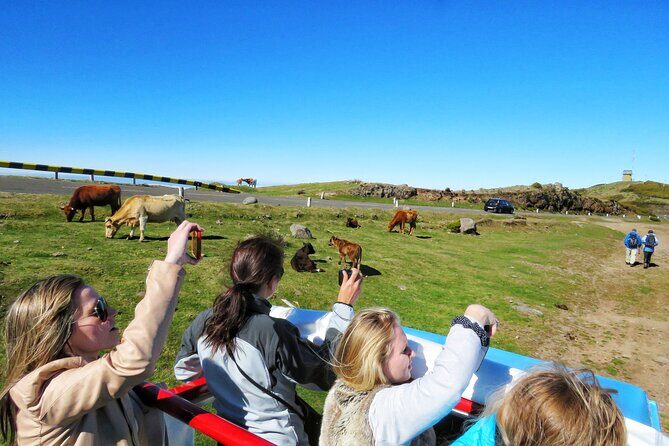
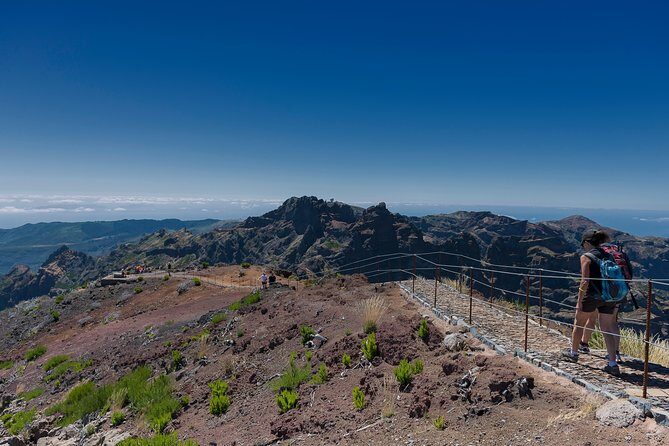
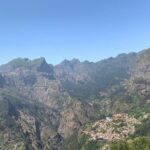
After the coast, you climb into the heart of the day: Paul da Serra. This is the plateau zone in central Madeira—volcanic in origin and shaped into an ecosystem that supported agriculture and herding for generations. On this tour, it feels like a shift in pace. You move from village lanes into open, higher-country air.
At Pico Ruivo do Paul da Serra, you get about 1 hour 15 minutes, with admission noted as not included. This is where the value of a guide shows. A viewpoint stop is never just “stand there.” It’s about understanding what you’re seeing: the plateau’s role for farming, and why levada water systems mattered so much once agriculture depended on steady irrigation.
You then continue with Levada do Paul, about 45 minutes, again with admission not included. A levada walk is different from a normal trail. You’re following the irrigation logic the island built—channels that moved water from mountain sources down toward fields and villages. Even if you don’t feel like a hardcore hiker, this is often the moment that turns the day from pretty driving into something you actually remember.



Small advice for the plateau stops
Wear shoes you can walk in comfortably. Even short levada sections and viewpoint paths can be slick when mist rolls in. Bring sun protection too; higher ground can give you sharp light fast.
Rabacal and Prazeres: water-and-farm country on Madeira’s southwest
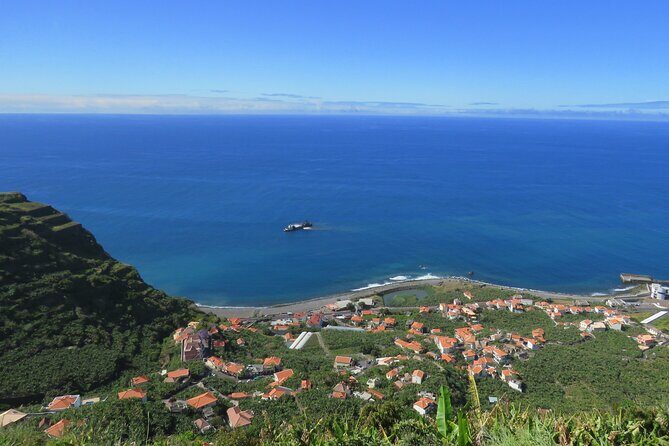
Rabacal is next for about 30 minutes with free admission noted. In practical terms, this stop often works best if you keep your plan simple: take the photos, look around, and enjoy that “Madeira is alive” feeling that comes from valley greenery and water movement. The shorter timing means you’ll feel the place more than you’ll analyze it, which is a good match for a circuit day.
Then you head to Prazeres for about 1 hour, with free admission noted. Prazeres is known for gardens, colorful flowers, and traditional Madeiran architecture with tilework and planted terraces. It also ties strongly to agriculture—terraced fields where you can spot crops such as grapes and bananas.
In reviews, you’ll see how guides build time for learning without turning it into a lecture. A great guide will explain why these terraces exist and how the island managed both land and water. You’ll likely also notice how Prazeres changes the visual texture of the day: less cliff drama, more careful human shaping of the land.
If you’re the kind of traveler who likes cultural stops but gets impatient with long museum-style hours, Prazeres is a sweet spot.
Paul do Mar and Jardim do Mar: sea towns with a slower rhythm
Now the tour turns fully coastal again with Paul do Mar for about 30 minutes and free admission noted. This is a fishing village vibe—rugged coastline, rock formations, and sunsets that locals treat like part of daily life. Even in a short stop, you get the sense that the harbor and ocean are the main characters.
The village name connects directly to the sea, and the working-fishing angle still shows through with traditional boats and the everyday rhythms around the shoreline.
Then you shift to Jardim do Mar for about 30 minutes, also free admission noted. This place adds agricultural roots to the sea-town feel. The area connects back to sugar cane history, which helps you understand why the island built so much around fertile terraced agriculture near coastal access points.
At this stage, the best use of your time is simple: walk slowly, pick a photo angle, and snack if you want. These are not “run to the big attraction” stops. They’re meant for atmosphere.
Calheta and Praia da Calheta: the sand stop and the sugar-sunset link
Calheta is about 30 minutes with free admission noted. The big story here is that it historically functioned as a sheltered harbor and played a role in sugar production during the 15th and 16th centuries. That history helps tie the tour together: water management and farming up in the interior, then economic access down on the coast.
You’ll see why the modern area has become a calmer leisure retreat. It’s an easy place to refuel during a long day.
Then you have Praia da Calheta for about 30 minutes. The beach portion is where you’ll notice why this stop is popular: a golden sandy beach is a rare thing on Madeira’s mostly rocky coast. Admission is listed as not included, so if you plan to pay for a sunbed or an activity, keep a little cash or card ready.
If you want a quick swim or just a towel moment, this is your best bet. If you want to avoid sand hassle, keep it to photos and a short walk—the itinerary doesn’t hang out here long.
Cascata dos Anjos: the waterfall payoff where the car can’t replace walking
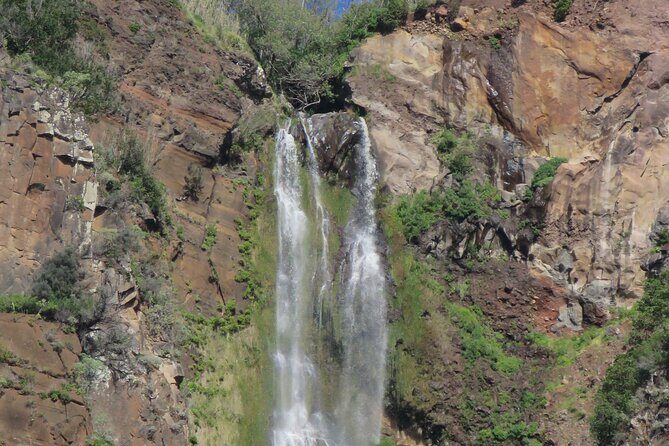
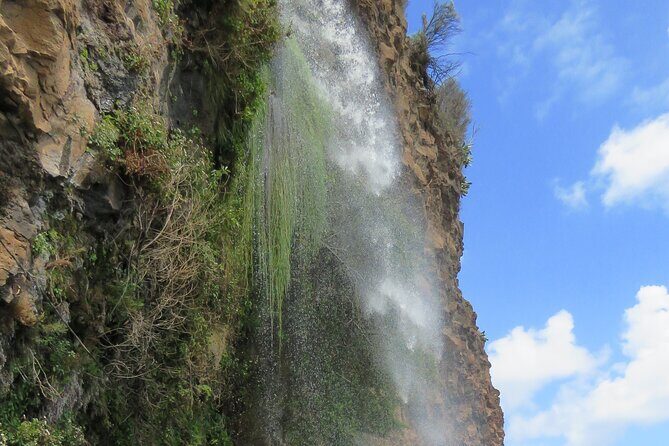
The final big nature moment in the circuit is Cascata dos Anjos, about 30 minutes, with admission not included. This is a cascading waterfall flowing down rocky cliffs, known as the Waterfall of the Angels. In practical terms, the mist and sound tend to hit you before you even reach the best viewpoint.
This stop is worth it because it breaks the pattern. After villages and plateau time, you get a “pause” moment where the physical air changes. Even if you only have half an hour, you’ll feel why waterfalls are such a central part of Madeira tourism.
Just come prepared. Waterfall areas can be slippery or damp around the edges. Keep your footing secure and plan for a quick photo loop rather than expecting a long linger.
Price and value for an 8-hour, English 4×4 day
The price is listed at $70.29 per person for an approximately 8-hour tour. That number can feel reasonable or steep depending on what you compare it to. Here’s the value logic: you’re paying for transportation in a 4×4 capable of handling Madeira’s tricky terrain, plus a local guide, plus insurance coverage.
Also, pickup is free in the Funchal center and Caniço de Baixo, which can quietly save you money and stress. If you’re coordinating your own route, you’ll spend time and likely add costs for fuel, parking, and risk from roads you’d rather not test on your first day.
Not included: lunch is optional at €18 per person, and certain stops list admission as not included. If you want a full day of low-friction spending, set aside budget for small local fees and food.
So is it good value? For a first visit focused on southwest highlights in one day, yes. If you already know you want long hikes, you might prefer a slower, more focused levada walk itinerary. But if you want a guided “see a lot, learn a lot” circuit without planning, this pricing fits.
Should you book Green Devil Safari Southwest in 4×4?
Book it if you want a guided route that covers coastal villages and interior plateau views in one long day, with access to roads that feel hard to figure out alone. I’d especially recommend it if you care about explanations and you enjoy photo breaks that are timed well, not random pullovers.
Skip or rethink if you’re the type who gets irritated when stops are short and schedules are tight. This tour is built for variety, not for long beach lounging or extended hikes at each location. Also consider your comfort level with walking on mixed surfaces during plateau and levada segments.
One last tip: pack for changing conditions. In Madeira, mornings can feel cooler, then sun shows up strong, and then mist can return near higher ground. A light layer and solid shoes make the whole day more enjoyable.
FAQ
What’s the duration of the Southwest Madeira 4×4 tour?
The tour runs about 8 hours.
What language is the tour offered in?
It’s offered in English.
Is pickup included?
Pickup is free in the Funchal center and Caniço de Baixo. Pickup at the harbour cruise dock may cost extra (listed as 5–10 euros depending on the area), and pickup outside Funchal/Caniço may also cost extra (5–10 euros depending on the area).
Is lunch included in the price?
Lunch is not included. It’s listed as optional extra €18.00 per person.
Is a mobile ticket used?
Yes, a mobile ticket is included.
How big is the group?
The tour has a maximum of 24 travelers.