REVIEW · MADEIRA
Madeira: Santana Jeep Tour Revealing the East’s Treasures
Book on GetYourGuide →Operated by Green Devil Safari - open 4x4 tours · Bookable on GetYourGuide
A rugged ride beats a bus ride every time. On this Madeira north-east open 4×4 tour, you get cliff views, working farms, and storytelling that feels close to the island. I especially love the mix of off-road time and photo-stops, including the iconic Santana triangular houses, and I also like how guides (like Antonio and Lino) explain what you’re seeing in a way that actually sticks. One possible drawback: it’s not for everyone—pregnancy and back problems are called out as not suitable, and the open vehicle means you’ll feel the ride and the weather a bit more.
This is a smart pick when you want more than check-the-box sightseeing. You’ll cover a big stretch of the northeast and learn how sugar, rum, and local coastal life shaped Madeira. And with small-group options available, you’re more likely to get personal answers than just passive listening.
In This Review
- Key Reasons This Tour Works So Well
- From Funchal to Madeira’s Northeast: Why This Is Not a Standard Sightseeing Day
- The Open 4×4 Ride: What You Gain (and What You Need to Accept)
- Sao Vicente and the Northern Coast Mood: Cliffs, Air, and Getting Oriented
- Ponta Delgada and Sao Jorge: The Island’s Agricultural Backbone
- Santana: Triangular Houses, Thatched Details, and the Visual Payoff
- Traditional Factories and a Saw Mill: How Work Shows Up on Madeira
- Porto da Cruz: A Coastal Stop With a “Place in Time” Feeling
- Engenhos do Norte: Watching the Island’s Rum-Making Tradition
- Caniçal: Fishing Traditions and Tuna Stories by the Sea
- Guides Matter: What Antonio and Lino Add to the Day
- Price and Value: Why $81 Can Make Sense for a Big, Active Day
- Who This Tour Suits Best (and Who Should Rethink It)
- Should You Book the Santana 4×4 East Treasures Tour?
- FAQ
- How long is the Madeira Santana Jeep Tour?
- What is the price per person?
- What does the tour include?
- Is pickup included if I stay outside Funchal?
- What languages are the guides available in?
- Is lunch included?
- What should I bring?
- Is this tour suitable for everyone?
- Do I need to pay right away?
- What are the main stops during the day?
Key Reasons This Tour Works So Well
- Open 4×4 travel: you spend the day outdoors, moving through places a normal bus can’t comfortably reach.
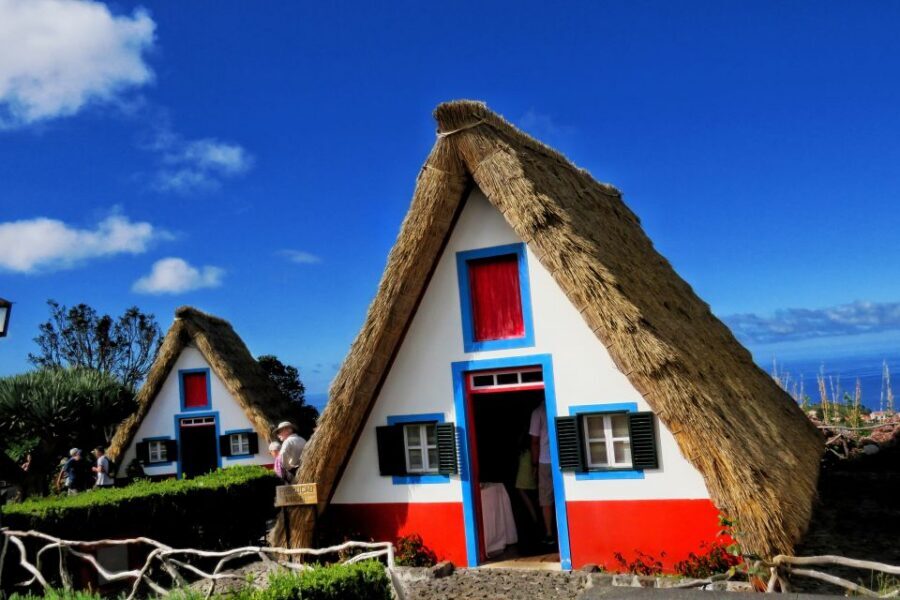
- Santana’s triangular houses: a quick iconic stop that still feels grounded in the island’s building tradition.
- Sugar-and-rum route: you see how agricultural Madeira links to the island’s famous spirit world.
- East-coast viewpoints: sea cliffs and overlooks are built into the drive, not treated like an afterthought.
- Guides with real communication skills: reviews highlight Antonio’s friendly depth and Lino’s ability to keep things flowing smoothly.
From Funchal to Madeira’s Northeast: Why This Is Not a Standard Sightseeing Day
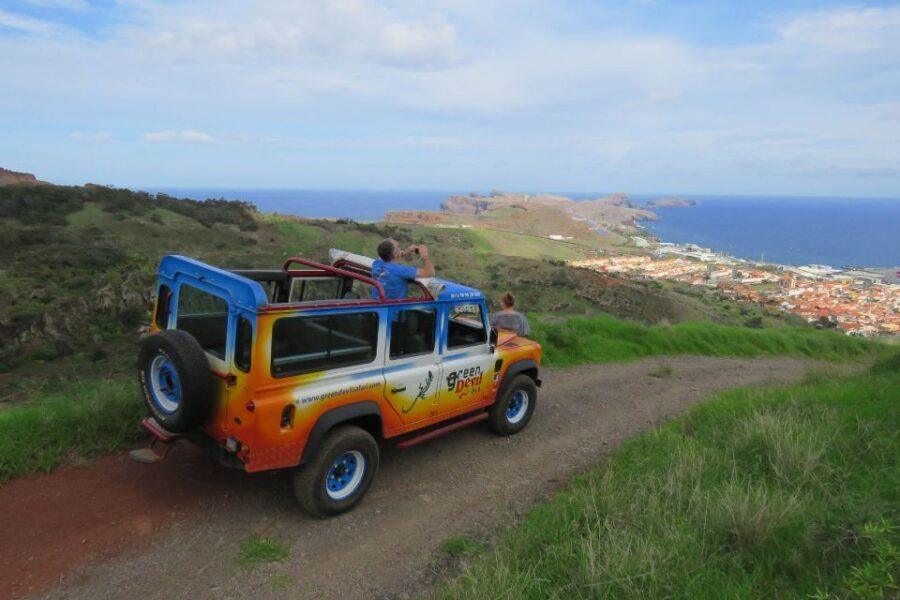
The day starts with pickup in Funchal city (hotel pickup is included there). Once you’re in the vehicle, you can feel the change in pace right away: this tour trades the usual sightseeing-bus routine for a more rugged, open-air way of getting around. For me, that matters because Madeira’s best moments often come when you’re close to the terrain, not just staring at it through a window.
You’re also signing up for a full working day—about 8 hours—so it’s built for people who want time on the road plus time at stops. If your idea of a great trip is one where you get views, then explanation, then another view, this fits. If you’re hoping for a slow stroll and minimal driving, you might find the schedule a bit packed.
Other 4x4 and jeep safari tours we've reviewed in Madeira

The Open 4×4 Ride: What You Gain (and What You Need to Accept)
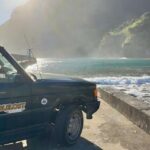
Green Devil Safari runs the experience in an open 4×4, which is exactly the point. You’ll catch the scents along the way—especially when you pass through lush areas—and you’ll feel the island’s texture through the ride, not just the scenery. That matters in Madeira, where so many viewpoints are reached by roads that climb, twist, and sometimes feel like they’re hugging the island.
The “open” part also means you should dress for comfort first. The tour notes comfortable clothes as what to bring, and I’d add a practical mindset: expect a bit of wind exposure and plan for the ride to be more jolting than a city car. If you’re prone to motion discomfort, it’s worth thinking twice, especially since the tour is explicitly not suitable for people with back problems.
Sao Vicente and the Northern Coast Mood: Cliffs, Air, and Getting Oriented
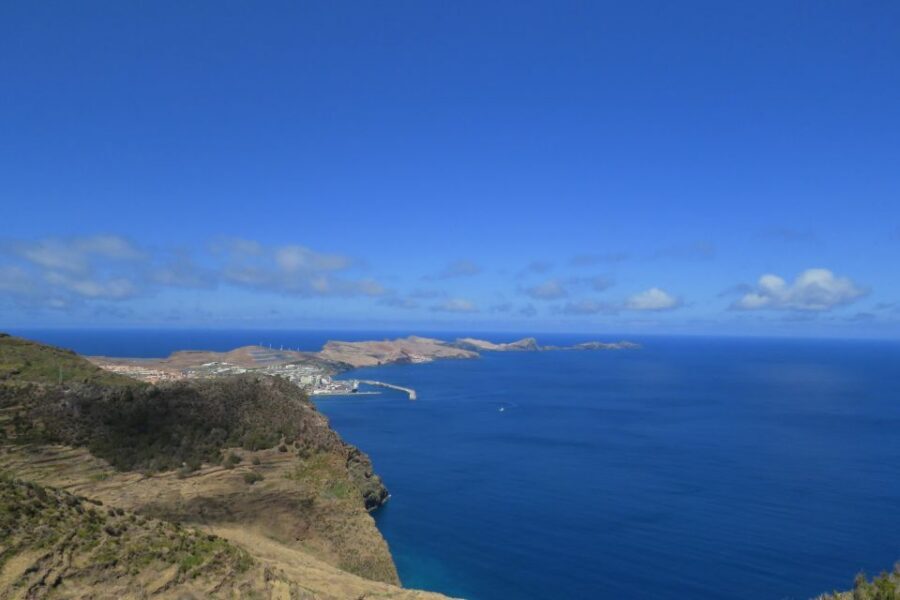
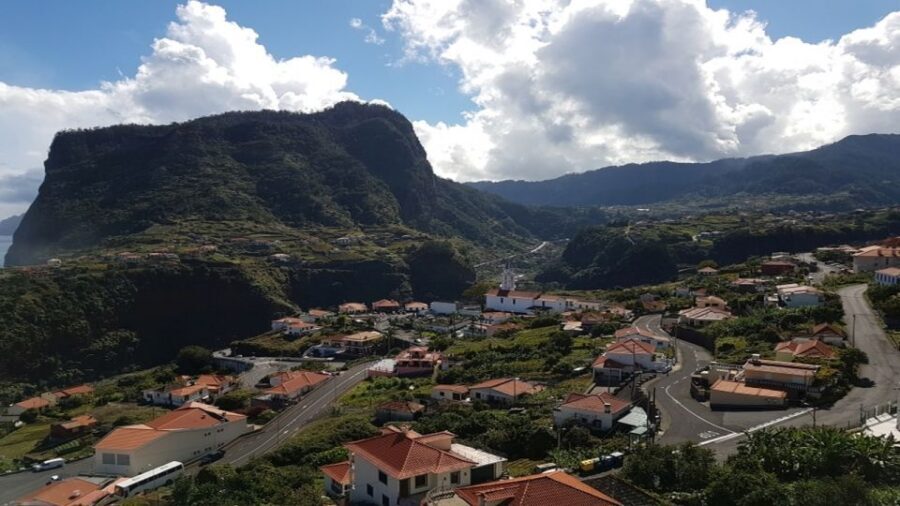
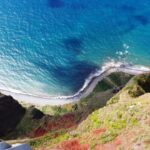
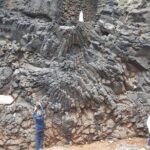
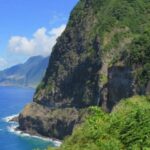
One of the early draws is reaching Sao Vicente, a place that sets the tone for the northeast. You’re not just moving through a landscape—you’re learning how Madeira’s coasts and hills connect, where the roads follow steep contours, and why viewpoints matter here. Expect sea-coast scenery that changes quickly as the road bends and elevation shifts.
This part of the day is valuable because it helps you “read” Madeira as you go. Before you see the famous villages and iconic houses, you get a sense of how the island’s north-facing areas feel—more dramatic, more exposed, and often greener in character. The guides usually fold in local context as you drive, and that turns the journey between stops into something you can follow, not just pass time in.
Ponta Delgada and Sao Jorge: The Island’s Agricultural Backbone
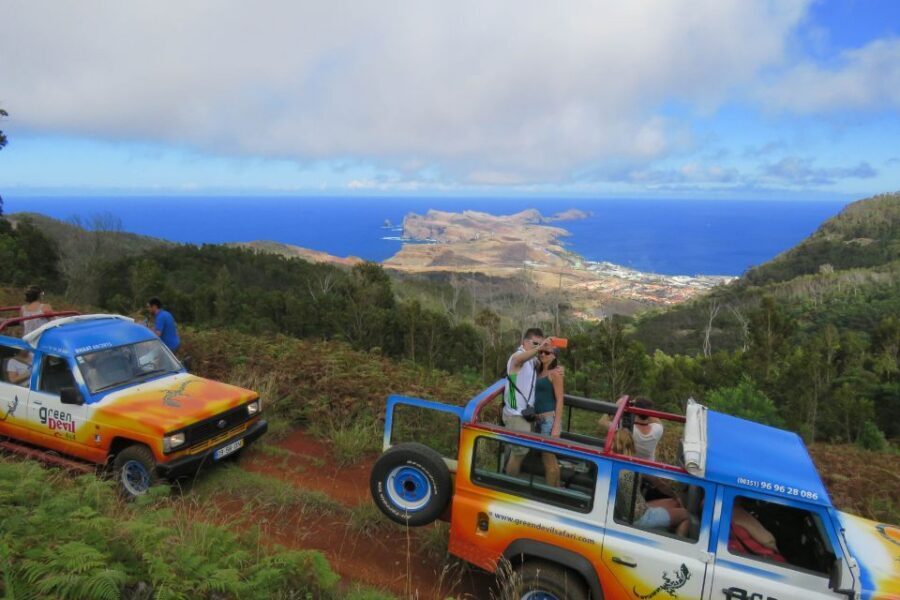
The tour then moves toward Ponta Delgada and São Jorge, and this is where you start getting more than scenery. Madeira’s food and drink culture isn’t separate from its terrain; it’s rooted in the way farming works on slopes and microclimates. The itinerary points to agricultural themes here—especially sugar cane, which ties into the later rum and sugar processing stops.
If you love food history, this stretch makes sense. You’ll see the “why” behind what you’ll taste later. The island’s farming areas are the engine room, and the northeast is a strong place to understand that engine because the views and the cultivation patterns feel linked to each other.
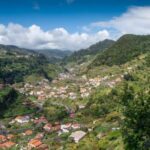
Also, the drive is part of the experience. Roads along these areas tend to show you big coastal perspectives and hillside geometry—terracing patterns and the way farms cling to steep ground. You’ll get chances to pause for photos as you go, though how long you linger depends on the flow of the day.
Santana: Triangular Houses, Thatched Details, and the Visual Payoff
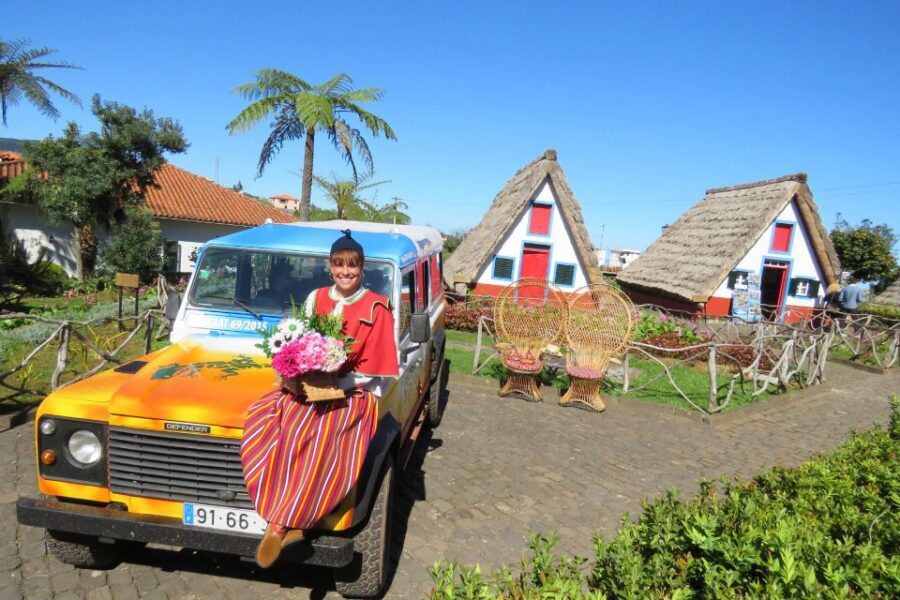
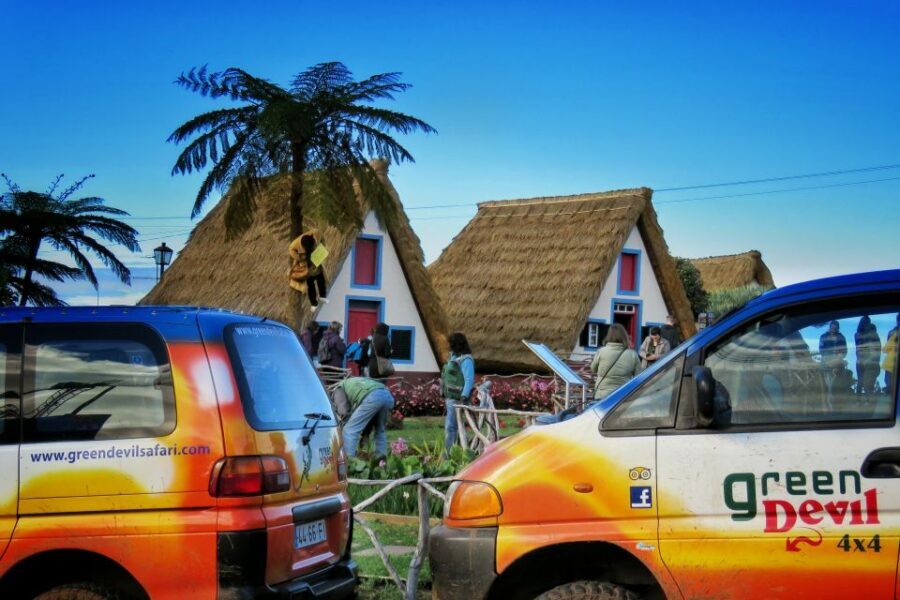
Then comes Santana, the stop most people are excited about. You’ll visit the thatched houses of Santana, including the famous colorful triangular houses where you’ll naturally want a selfie. This isn’t just a picture moment. The houses are a quick, visible reminder of how Madeira’s communities adapted building styles to local conditions and materials.
This stop is especially good for first-time visitors because it gives you a clear “Madeira look.” You can compare what you see here with the surrounding hills and valleys you’ve already driven through. It clicks: the island isn’t only cliffs and viewpoints—it’s also everyday life shaped into an instantly recognizable style.
One practical note: Santana is a visual highlight, but it’s still part of a full 8-hour circuit. So try not to treat it like a long, standalone visit. You’ll get time to see and photograph, but the payoff is how well it connects to the rest of the route: agriculture, processing, rum, and coastal life.
Other Santana and traditional-houses tours in Madeira


Traditional Factories and a Saw Mill: How Work Shows Up on Madeira
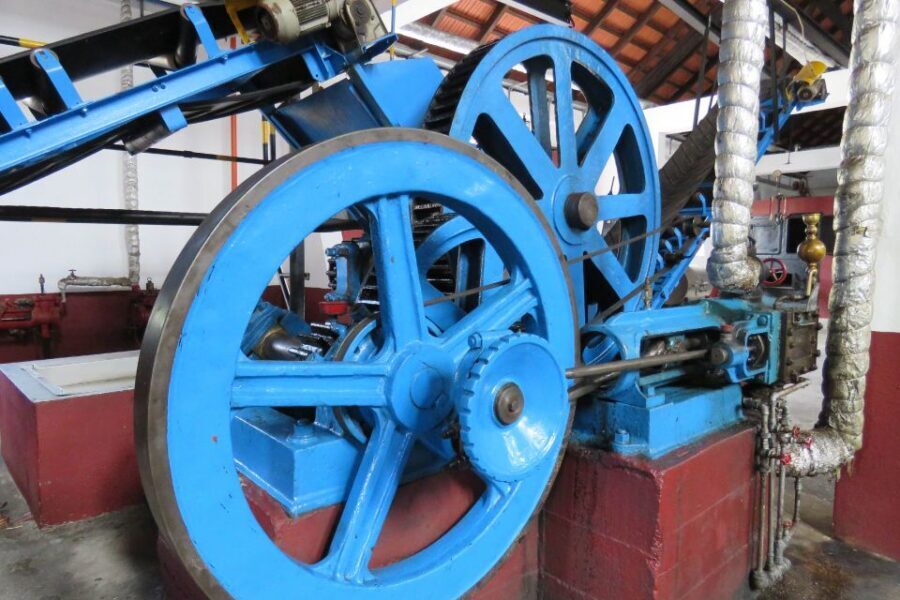
Between viewpoint stops and village moments, the itinerary includes traditional factories and a saw mill. This part of the day is for people who like to understand how things get made—what local work looks like, and what kinds of skills have long mattered on the island.
Why this is worth it: Madeira’s famous stories often focus on drinks and landscapes, but the day-to-day industries help explain why those stories exist. When you see a saw mill or traditional production settings, you get a stronger sense of labor behind the tourism-friendly surface.
You won’t need a background in Portuguese or agriculture to appreciate it. The guide is there to translate what you’re seeing into simple, human terms—what’s happening there, why it matters, and how it connects to other stops later in the day.
Porto da Cruz: A Coastal Stop With a “Place in Time” Feeling

Next is Porto da Cruz, described as a place where explorers once anchored. Even if you don’t obsess over maritime history, the setting does something useful: it anchors the day in Madeira’s coastal movement. You’re in the northeast, you’ve seen cliffs and farming hills, and now you’re at a point where sea access and transport shaped daily life.
This stop also helps balance the schedule. After agricultural and production areas, you get a coastal rhythm again—airier views, a different kind of scenery, and a calmer pace for photos. If you’re the type who likes to understand how towns evolved, Porto da Cruz is a solid “connector” stop in the middle of the day.
Engenhos do Norte: Watching the Island’s Rum-Making Tradition
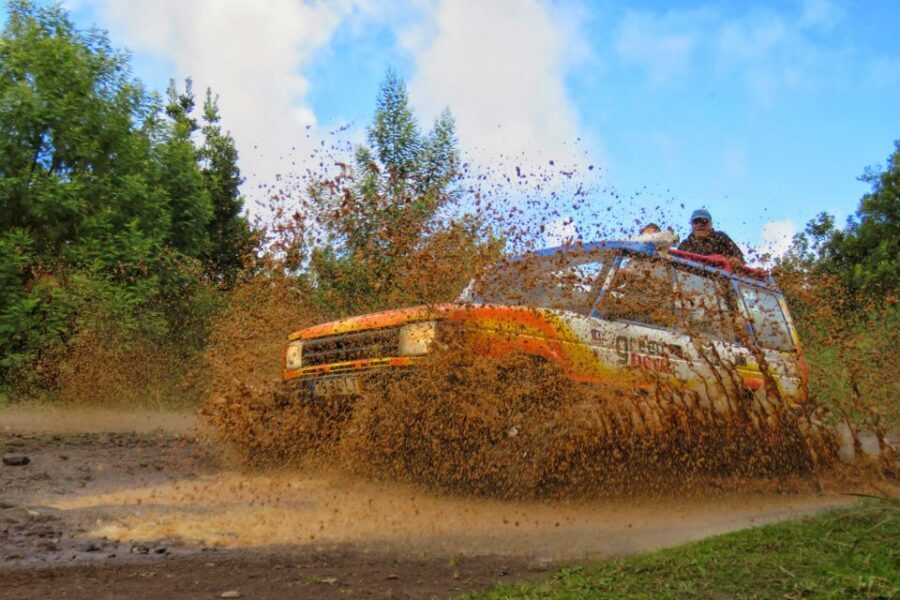
One of the main attractions is the Engenhos do Norte distillery, called out for rum making. This is where the tour turns from seeing to tasting-and-understanding mode. The route has already introduced sugar cane and local processing themes, so the rum stop lands with context instead of feeling like a random extra.
Even if you’re not a hardcore alcohol person, you’ll likely enjoy this stop because it explains the logic of the island’s products. Madeira’s economy and identity have long been tied to crops that can thrive in tough conditions, and sugar cane is central to that story. The distillery stop makes that connection feel real.
I also like that this part of the day works for different interests. If you’re a foodie, you’ll think in flavors and production steps. If you’re a curious traveler, you’ll focus on the human work behind the final bottle. Either way, it’s a strong value moment during an 8-hour tour.
Caniçal: Fishing Traditions and Tuna Stories by the Sea
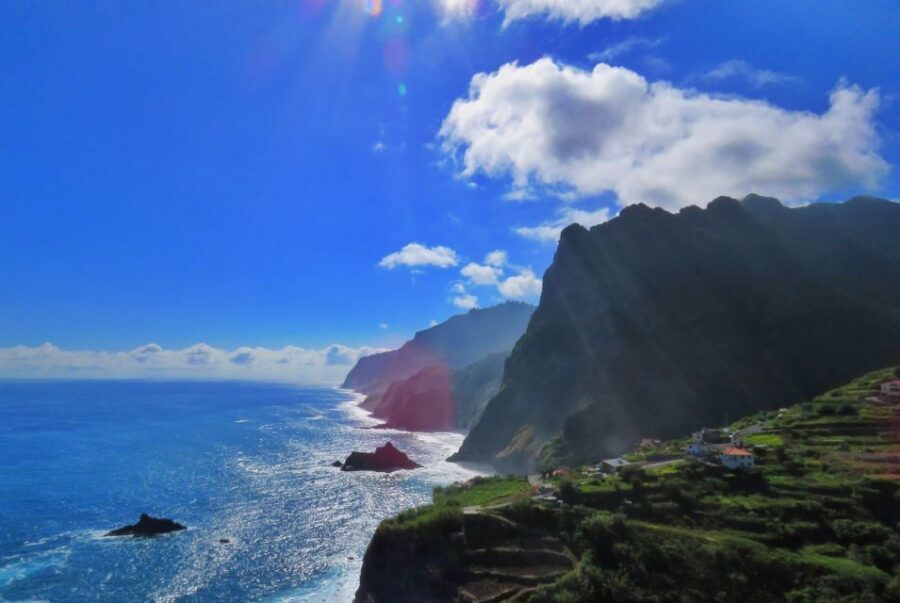
The tour wraps up in Caniçal, a quaint fishing village where the sea is the headline. The description here is very specific: tuna is part of the local tradition, and you’ll hear tales connected to fishing life. This is a nice ending because it returns you to the coastline theme that you started with around Sao Vicente.
You’ll likely experience Caniçal as more of a atmosphere stop than a “museum stop.” The purpose is to help you understand how the island’s shores and work traditions shape what locals do, not just how the scenery looks. If your goal is a day that feels like you left with better context—not only more photos—this ending tends to land well.
Guides Matter: What Antonio and Lino Add to the Day
The best part of a guided tour is not the route—it’s the way the route becomes understandable. Reviews highlight that guides like Antonio bring a pleasant, well-informed style, and that Lino kept things excellent even when the booked language and the spoken language differed. That’s practical travel intelligence: good guides don’t let small language glitches ruin momentum.
This tour also offers live guiding in multiple languages, including Spanish, English, French, Portuguese, and German. If you’re traveling with a group and want consistent communication, that’s a real plus. And if you’re someone who likes to ask questions, a smaller setup (private or small groups are available) can make the day feel less rushed.
Price and Value: Why $81 Can Make Sense for a Big, Active Day
At about $81 per person for an 8-hour excursion, the big question is what you actually get for the money. Here’s the value logic I see:
- You get a local guide for the full day, not just a quick orientation stop.
- You get pickup and drop-off in Funchal city included (outside Funchal city there are extra fees, listed by area).
- You travel by open 4×4, which naturally limits the number of people you can serve and increases the cost compared to standard buses.
- The route includes multiple categories of stops: villages, viewpoints, production sites, and a distillery.
In other words, you’re not just paying for transportation. You’re paying for access and structure—plus the fact that you’re covering a wide section of Madeira’s northeast without needing to rent a vehicle yourself. If you want to maximize your time and reduce stress, this is a reasonable deal for the type of experience it is.
Optional lunch exists too, listed at €16, so you’re not locked into meals being included. That can be good because you can choose what fits your appetite and timing, but it does mean you should budget for it if you’ll want food that day.
Who This Tour Suits Best (and Who Should Rethink It)
This tour is a great fit for people who:
- Want a road trip feel with stops that explain Madeira’s culture and food/drink linkages.
- Enjoy active travel and don’t mind an open-air vehicle.
- Like photography built into the schedule, especially at Santana.
- Prefer small-group or private pacing when possible.
It may be less ideal if:
- You have back problems or are pregnant, since the tour is listed as not suitable.
- You prefer slow, minimal driving days.
- You’re very sensitive to motion discomfort, since the open 4×4 ride can be more jostly than you’d expect from a tour bus.
If you fall into that second group, you might still enjoy Madeira’s northeast—but you’ll probably want a gentler format.
Should You Book the Santana 4×4 East Treasures Tour?
I’d book it if you want one full day that ties together Madeira’s identity: cliffs and coast, farming life, traditional production, rum at Engenhos do Norte, and the standout visual of Santana’s triangular houses. It’s a strong option for first-timers because it shows you more of the island than a shorter, single-area tour.
I would hesitate if you need a very comfortable, low-impact day or if open-air travel will be a problem for you. Otherwise, the mix of guide-led storytelling, off-road style transport, and themed stops makes it a solid value for an 8-hour adventure in the northeast.
FAQ
How long is the Madeira Santana Jeep Tour?
The tour lasts 8 hours.
What is the price per person?
The price is $81 per person.
What does the tour include?
It includes a local guide and pickup and drop-off in Funchal city.
Is pickup included if I stay outside Funchal?
Pickup outside Funchal city is available for an extra fee. The tour lists additional charges by area, including €5 per person from places like the cruise dock/harbor and São Vicente, and €10 per person from places like Caniçal and Ponta Delgada.
What languages are the guides available in?
The live tour guide languages include Spanish, English, French, Portuguese, and German.
Is lunch included?
No. Lunch is optional and costs €16.
What should I bring?
Wear comfortable clothes.
Is this tour suitable for everyone?
It is not suitable for pregnant women or people with back problems.
Do I need to pay right away?
You can use reserve now and pay later, with payment due later (the option is described as pay nothing today).
What are the main stops during the day?
The route includes Sao Vicente, Ponta Delgada, São Jorge, Santana (thatched triangular houses), Porto da Cruz, Engenhos do Norte rum distillery, and Caniçal.