REVIEW · MADEIRA
Bat Watching Madeira
Book on GetYourGuide →Operated by Madeira Fauna & Flora · Bookable on GetYourGuide
Bats run the night in Madeira. This bat watching tour turns you into a night “scientist,” using ultrasound detectors (and thermal gear as described) to follow Madeira’s native bats as they hunt, defend space, and socialize. I like that the focus stays on real behavior and real conservation, not just spotting something cute and moving on. I also like that it’s built around multiple stops, so your odds improve even when the night gets tricky.
One possible drawback: seeing bats with your eyes isn’t guaranteed. If the weather is windy and humid, you might hear them more than you spot them, and one booking noted that thermal-camera time and the hot drink weren’t part of that particular run.
In This Review
- Key things that make this tour worth your night
- Madeira’s Bat Tour: Not a “walk and hope” night
- How ultrasound detectors help you “hear” bats
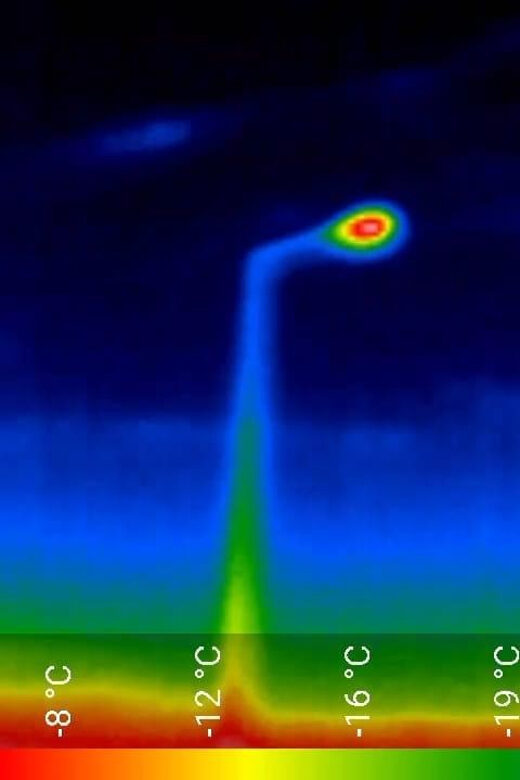
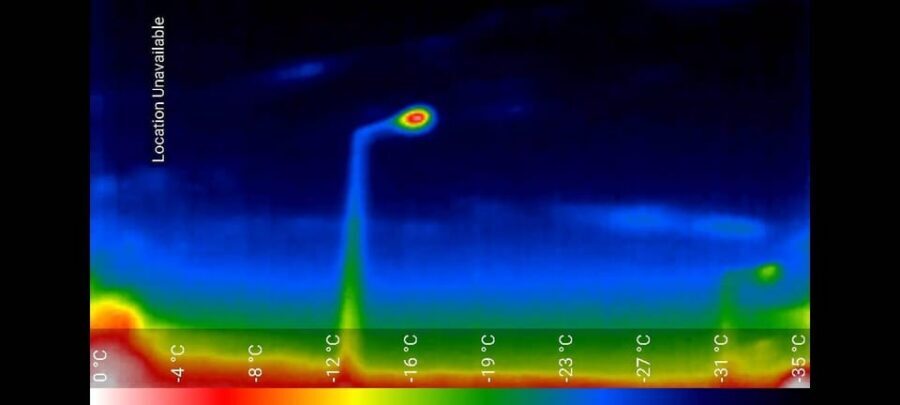
- Thermal cameras: promised in the description, manage expectations
- The 3-hour flow: briefing, detectors, and repeated listening stops
- The guide matters: Sergio and the conservation angle
- What you’ll actually learn about Madeira’s bats
- Weather reality: warm clothes and comfortable shoes
- Transfers in Funchal: convenient, but not everywhere
- Price and value: why $47 can make sense here
- Who this tour is best for (and who might not love it)
- Should you book Bat Watching Madeira?
- FAQ
- How long is the Bat Watching Madeira tour?
- What group size is this bat watching tour?
- What equipment do you use to observe bats?
- Are hotel or cruise transfers included?
- What should I bring and wear?
- What are the cancellation and payment options?
Key things that make this tour worth your night
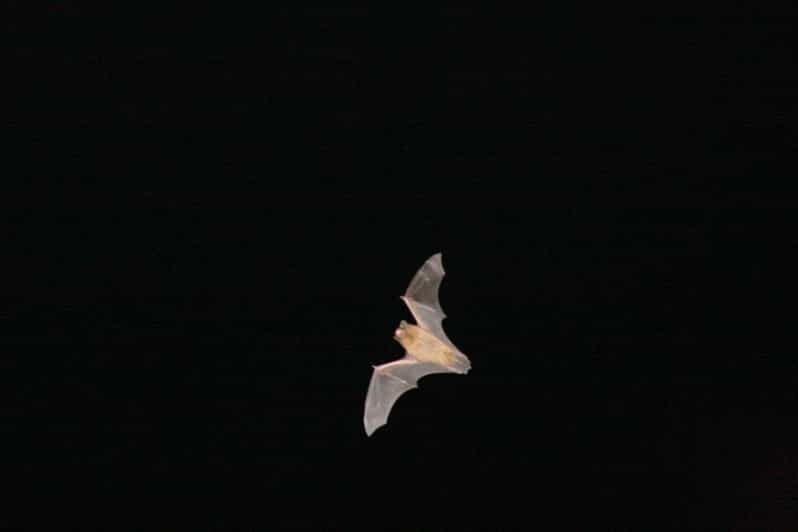
- Citizen bat scientist training: You use ultrasound detectors and learn what the signals mean.
- A guide with real species focus: Sergio is described as a bat specialist and professor involved in conservation programs.
- Multiple observation points: You may visit 3 or 4 spots to listen and watch across the landscape.
- Madeira’s native bats only: This is the island’s dedicated bat-focused tour, aimed at these elusive native mammals.
- Small group pace: Limited to 8 participants, so you’re not lost in a crowd with a gadget.
- Cold-weather basics included: A hot beverage is listed as included, plus you get observation materials for the night.
Madeira’s Bat Tour: Not a “walk and hope” night
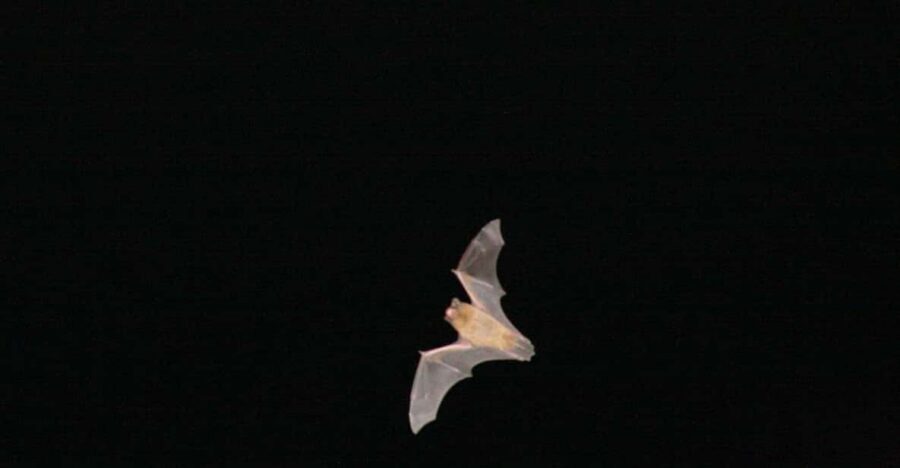
Most wildlife outings in Europe are built around luck. This one is built around listening skills. Madeira’s bats are the only native land mammals on the island, and the tour is specifically dedicated to tracking them—so you’re not squeezing a bat moment into a general sightseeing evening.
You get a live naturalist guide, and the night is framed like fieldwork. You’ll learn how bats use sound to hunt and navigate, then you’ll try to detect them with specialist tools. That changes the whole experience. Instead of wondering what you’re missing, you’re learning how to interpret what you’re hearing.
If you're still narrowing it down, here are other tours in Madeira we've reviewed.



How ultrasound detectors help you “hear” bats
Bats are hard to watch because they fly in the dark and rely on high-frequency sound you can’t normally perceive. Ultrasound detectors bridge that gap by translating bat activity into something you can pick up during the tour.
In practice, this means you’re not just standing still waiting for a flash of wings. You’re actively scanning, listening, and learning patterns. It also helps that the group stays small (8 max), so you can ask questions and get guidance as you test the detectors in real time.
Thermal cameras: promised in the description, manage expectations
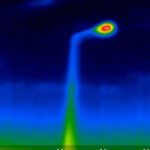
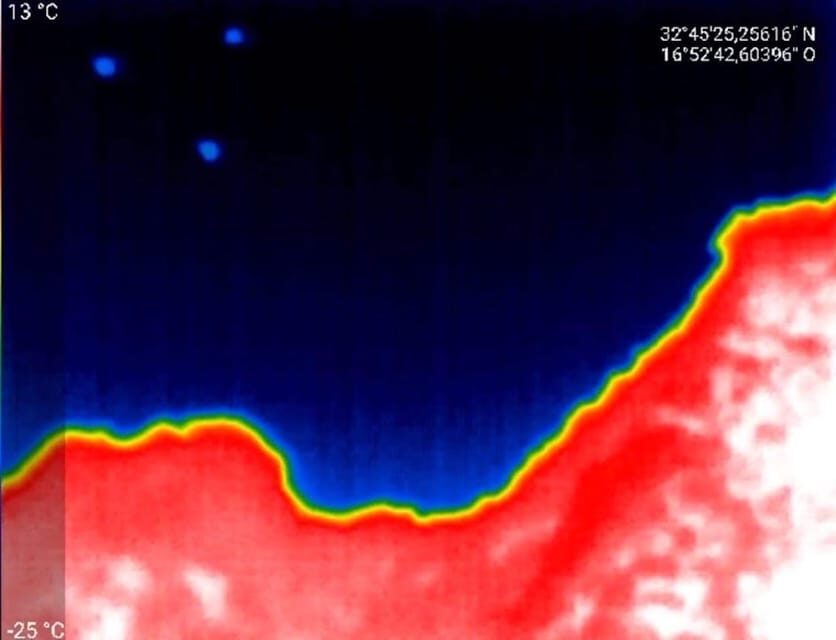
The tour description mentions thermal cameras (thermal sensors) as part of becoming a bat scientist. That’s exciting because it can turn a dark “maybe” into visible movement—depending on conditions and the specific equipment used that night.
Still, be practical. One booking reported that there was no thermal camera used, and another noted that a windy, wet night made visual sightings tough. So treat thermal tech as a possible bonus, not your only goal. The tour’s main value is the bat-detection training—if you end up hearing bats clearly but seeing fewer, you’ll still get a meaningful experience.
The 3-hour flow: briefing, detectors, and repeated listening stops
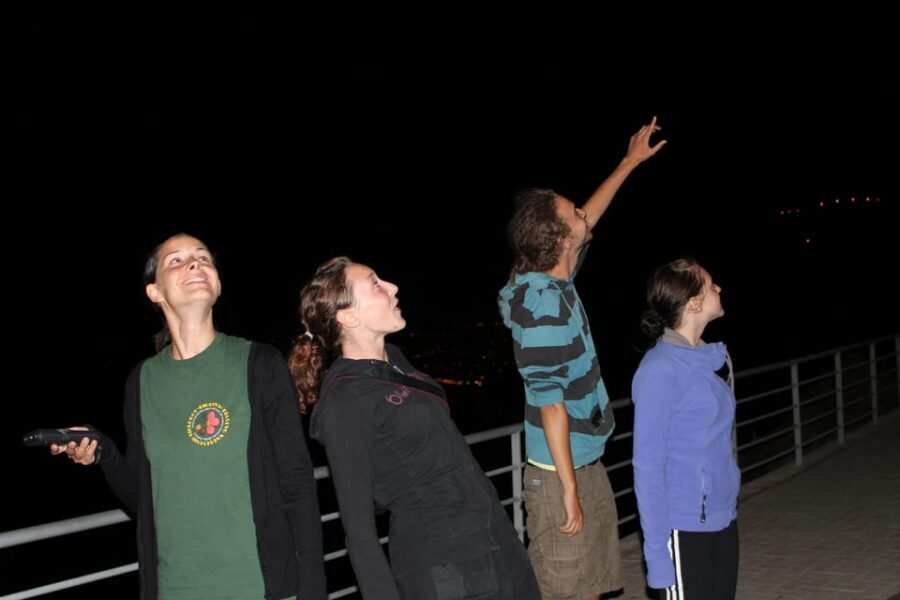
This is a 3-hour outing, run as a small-group night session. You can check available starting times, since the exact start depends on the schedule.
Here’s how the pacing usually feels when you combine multiple bat-evidence points with detector practice:
1) You start with a guide briefing and tool orientation.
You’ll get context on what to listen for and what behavior means in plain language.
2) Then you move to the first observation moment and start using the equipment.
This is where you learn the difference between hearing occasional activity and detecting something more consistent as bats hunt.
3) After the first stop, you likely shift locations again.
One booking described visiting 3 or 4 locations in the night. That makes sense: bats aren’t everywhere at once, and better “listening stations” increase your chances.
4) Toward the end, you wrap up with species info and what you observed.
The tour includes images and information about the species, so you can connect what you detected to real natural history instead of leaving with only a vague sense of cool sounds.
Even if your eyes miss the bats, the night can still feel successful because you’re learning to read what the detectors show.
The guide matters: Sergio and the conservation angle
What makes this tour special isn’t just the gear. It’s the people using it. One of the bookings specifically highlights Sergio as a bat specialist and professor, involved in conservation programs. That kind of guide energy matters because bats can raise questions fast: Which species are you hearing? Why do they choose certain spots? How does conservation work when the animals are tiny and rarely seen?
The tour is also framed around conservation of endangered species. That matters for two reasons. First, it turns your excitement into something useful—you’re learning about why the bats need protection. Second, it keeps the experience grounded. This is not a thrill ride; it’s education tied to local wildlife care.



What you’ll actually learn about Madeira’s bats
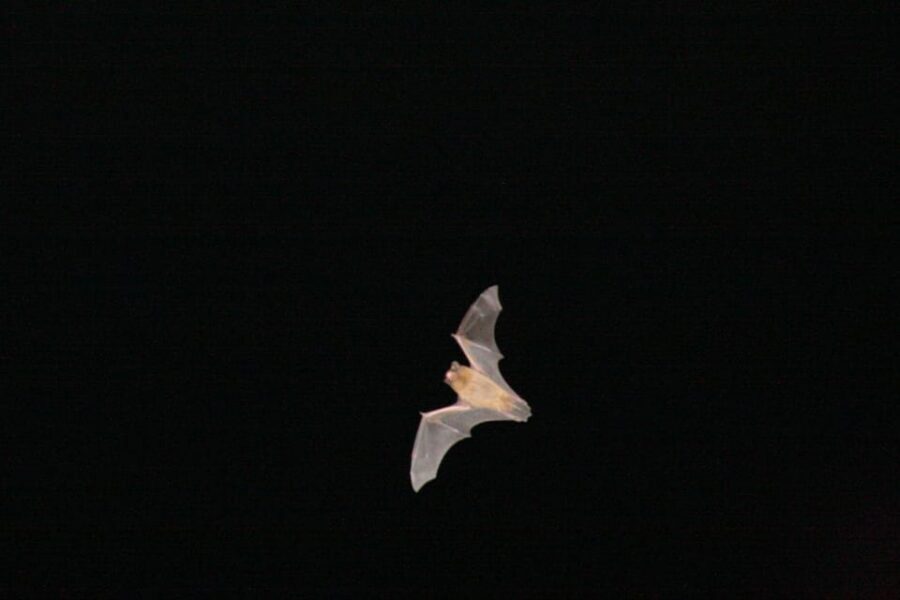
You’re not just “spotting bats.” The night is described as a chance to listen and watch bats as they:
- hunt for prey
- defend food patches
- socialize
That trio is important. Hunting tells you about feeding ecology. Food-patch defense tells you bats are territorial or at least competitive about resources. Social behavior helps explain why you might detect repeated activity across moments rather than a single random pass.
The tour also provides images and information about species, which helps you connect the sounds and movements you register to real animals found on Madeira. If you’ve ever wondered why bat watching can feel like science class without the worksheets, this is that idea—except you’re outside, in the dark, and the “lab” is your ears.
Weather reality: warm clothes and comfortable shoes
This is a late-night activity, and Madeira nights can get windy and humid. One booking explicitly said the night felt unpleasant due to wind and moisture, and that affected visibility.
So plan like the weather is part of the equipment. Bring:
- Warm clothing (layers beat one heavy coat)
- Comfortable shoes you can stand in for stretches
- Comfortable clothes you can move in without fuss
Also, the tour doesn’t allow alcohol or drugs. That’s a good fit for a night that involves focus, listening, and staying aware of what your guide is showing you.
Transfers in Funchal: convenient, but not everywhere
Logistics matter on a night tour. Transfers are included within the Funchal area, and the tour notes that hotel and cruise transfers are available in that zone.
If you’re staying outside Funchal, transfers aren’t automatically included. The good news is you’re told to contact the provider to see possible alternative pick-up locations. So if you’re not in central Funchal, do yourself a favor: message ahead and confirm how you’ll get there and back.
Price and value: why $47 can make sense here
At $47 per person for a 3-hour, small-group, specialist-led night, you’re paying for four things that don’t always come together:
- A naturalist guide focused on bats
- Specialized observation materials (ultrasound detection gear)
- Species education (images and information included)
- A conservation-oriented experience rather than generic wildlife viewing
You’re also getting added value in the form of a hot beverage listed as included, plus transfers within Funchal. That’s meaningful on a night tour where most other “cheap” options start nickel-and-diming you once you factor in pickup, equipment, and a focused guide.
Could the value feel weaker if the thermal camera isn’t used that night? Possibly, especially if you expected it as your main visual hook. But even then, the core of the tour is the bat detection and interpretation training—so you’re still paying for skills and understanding.
Who this tour is best for (and who might not love it)
This tour is ideal if you like hands-on learning, wildlife conservation, or you simply enjoy the challenge of night nature. It’s also a good fit for families who can handle cool weather and a bit of waiting—one booking said two kids (ages 7 and 9) loved it.
It might be less ideal if you only want guaranteed visual sightings of bats. Dark skies plus bad weather can reduce what you see with your eyes. The trade-off is that you’ll often still detect bat activity through the ultrasound detectors and end up with a richer understanding than a quick “did we see anything?” outing.
If you’re the kind of person who asks questions at museums, you’ll feel right at home.
Should you book Bat Watching Madeira?
If you want more than a nighttime walk—if you want to learn how bats work and how people are protecting them—this is a strong choice. The small group size, the bat-specialist guide (including Sergio’s described expertise), and the detector-based approach make it a practical, educational night.
Book it if:
- you’re curious about bat behavior and conservation
- you like learning by doing
- you’ll dress for cold/wind and accept that seeing bats isn’t guaranteed
Skip it if:
- you’re expecting nonstop dramatic visuals
- you’re only interested in thermal-camera spotting and nothing else
FAQ
How long is the Bat Watching Madeira tour?
The tour lasts 3 hours.
What group size is this bat watching tour?
It’s a small group with a maximum of 8 participants.
What equipment do you use to observe bats?
You’ll use observation materials provided on the tour, including ultrasound bat detectors, and the description also references thermal cameras/sensors.
Are hotel or cruise transfers included?
Transfers are included within the Funchal area. If you’re outside Funchal, you’ll need to contact the provider to ask about alternative pick-up locations.
What should I bring and wear?
Bring comfortable shoes, warm clothing, and comfortable clothes for a night outing.
What are the cancellation and payment options?
You can cancel up to 24 hours in advance for a full refund. The booking also offers reserve now & pay later, letting you book your spot and pay later.