REVIEW · MADEIRA
Funchal: Old Town Walking Tour
Book on GetYourGuide →Operated by Madeiran Heritage · Bookable on GetYourGuide
Funchal can feel like a place you pass through fast. This 2-hour old town walking tour makes you slow down just enough to understand why the streets are shaped the way they are. I especially liked the way the walk ties everyday places like the market and sweet factory to big stories about Madeira’s sugar industry. Another win: the guiding is hands-on, with time for questions and photo stops, including memorable visits in and around the Jesuits’ College area.
The only drawback is physical: the route has cobbled streets and slight inclines. Even though the tour is listed as wheelchair accessible, limited mobility may make some stretches uncomfortable—so bring a realistic attitude and plan for a careful pace.
In This Review
- Key points at a glance
- Entering the University of Madeira for a real city start
- Funchal City Hall and the sweet factory: history you can almost taste
- Farmers’ Market pacing: browse on purpose, not randomly
- Santa Maria Street to Admiral’s Garden: medieval lanes and old flood defenses
- Colombo Square and sugarcane: the story link that makes it stick
- Legislative Assembly and the Cathedral: where power and faith intersect
- Municipal Garden, Wine Lodge, and the Madeira stop that tastes like the island
- Photography Museum Atelier Vicente’s and the Jesuits’ Church finish
- Small group energy, guide names, and why that changes the whole walk
- Price and value: why $19 can be a good deal in Madeira
- Who should book this tour (and who might choose differently)
- Quick tips before you go
- Should you book the Funchal Old Town Walking Tour?
- FAQ
- Do I need hotel pick-up or drop-off?
- Where exactly is the meeting point?
- How long is the tour?
- What stops are included during the walk?
- Is food or drinks included?
- What languages do the guides speak?
- What should I bring and wear?
Key points at a glance
- Start at the University of Madeira area and get oriented fast, before you hit the busiest streets.
- Farmers’ Market + 19th-century sweet factory connects what you see to what people made and sold.
- Santa Maria Street to Admiral’s Garden mixes medieval lanes with fortifications and river history.
- Colombo Square sugarcane story links Madeira to the discoverer of the Americas in a way that’s easy to remember.
- Cathedral + Legislative Assembly show how power, religion, and trade shaped Funchal’s center.
- Madeira wine lodge stop breaks the history into something you can taste, not just read.
Entering the University of Madeira for a real city start
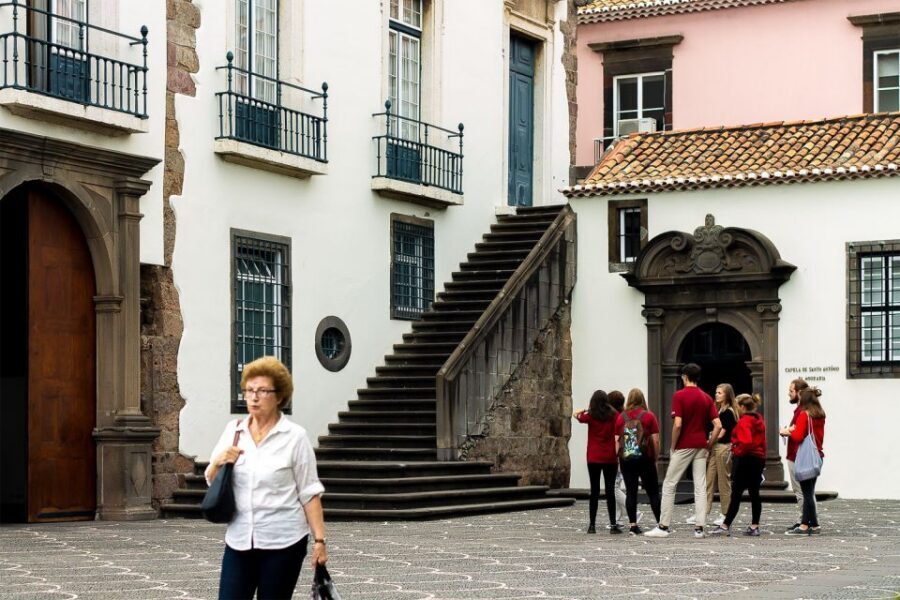
You meet at the Jesuits’ College of Funchal on the University of Madeira campus area, on Rua dos Ferreiros, by the glass doors with University signage (next to D’Oliveiras Madeira Wine). Arrive about 10 minutes early if you can. It keeps the start calm and gives you time to find the right entrance without stress.
This matters because the tour does not begin with random sightseeing. It starts with context: how Madeira and Funchal became what they are, and how that shaped the city center. You’re basically getting a map in your head before you start walking. And that makes the rest of the streets feel less like a checklist.
Guides on this route come from the Madeiran Heritage programme, often with student-led educational outreach in mind. In real-world terms, that usually translates into guides who explain with care, not just facts dumped at you. If you get a guide like Annabelle or Elias (names that show up often), you’ll likely notice the same pattern: clear pacing, lots of answering, and enough flexibility to slow down for photos.
Other Funchal old town walks we've reviewed in Madeira

Funchal City Hall and the sweet factory: history you can almost taste
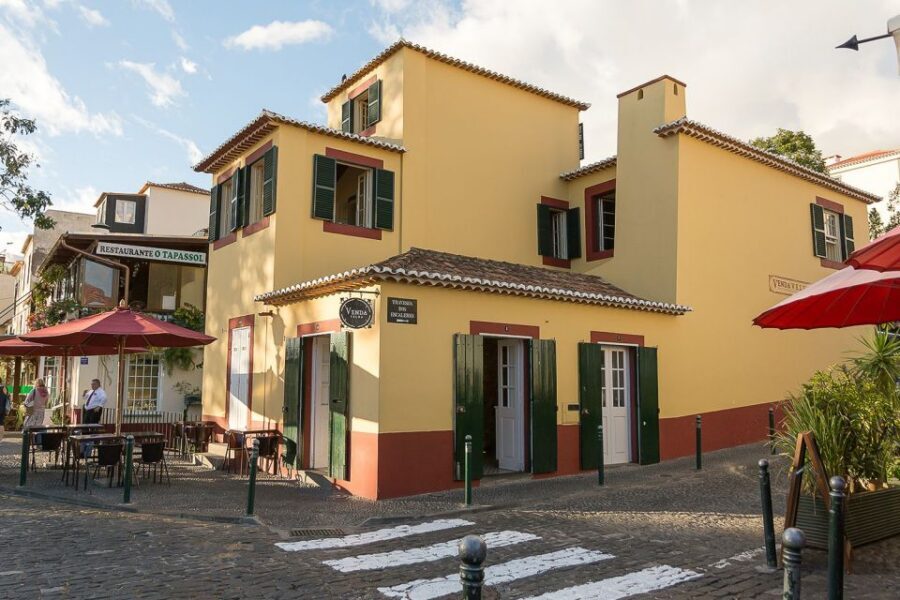
Right after starting, you head to a hidden-feeling stop inside Funchal City Hall for a photo moment. The tour then continues toward a traditional sweet factory founded in the 19th century. Even if you skip the sweets portion you can still read the place: these stops show how Madeira’s trading life worked long before tourists arrived in buses.
From a value standpoint, the sweet factory is a smart use of time. It’s not just a themed detour. It gives you a lens for the region’s ingredients, trade routes, and the culture of small production. Madeira isn’t only about scenery. It’s about what people built and sold, and how that shaped the local economy.
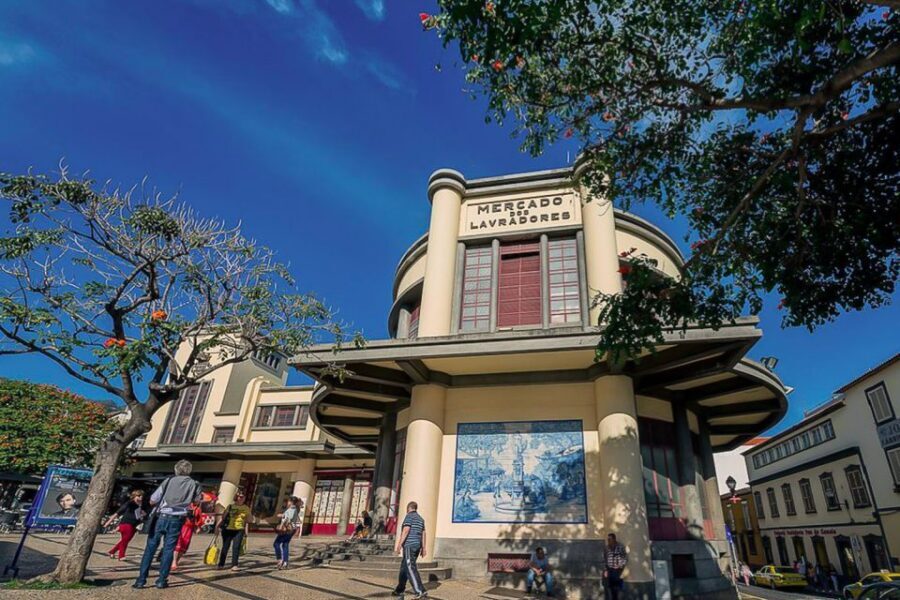
Then you move toward one of the tour’s anchors: the Farmers’ Market. This is where the walk clicks into something tangible. The market is a real place with real vendors and a steady rhythm. Your guide helps you connect what you see now to what happened earlier, including a story tied to Madeira’s embroidery industry. That embroidery detail is the kind of thread that makes a market feel like part of a larger city system, not just a place to browse.
Farmers’ Market pacing: browse on purpose, not randomly
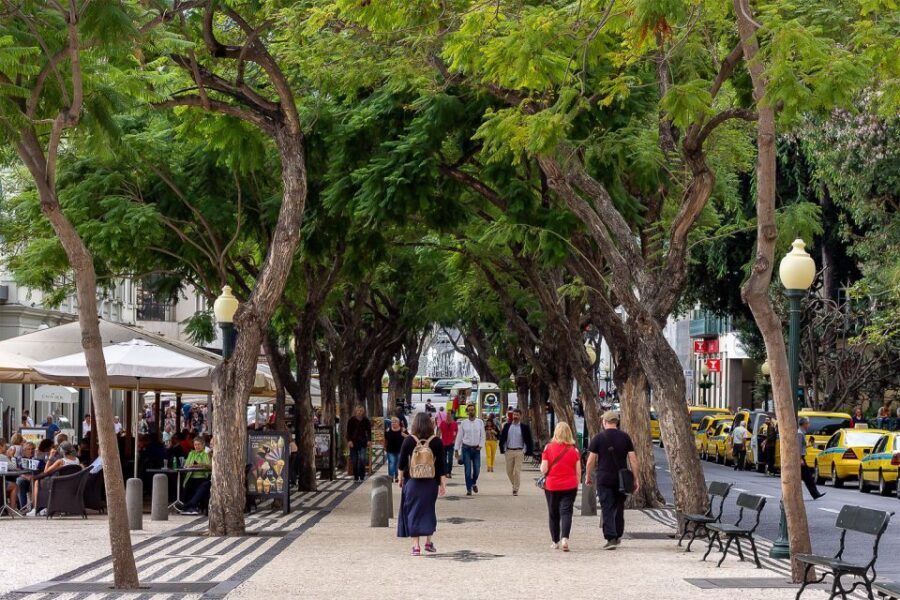
You’ll get a guided tour through the Farmers’ Market rather than just passing by it. That guidance matters because markets can be overwhelming when you don’t know what to look for. Instead of grabbing the first snack you see, you’ll understand the why behind what’s being sold.
A smart tip here: use your guide’s explanation to choose what you want to sample later. Some groups end up returning to market areas for extra time after the tour, and having a short plan makes that easier. If you like food stops that double as learning, this is one of the best segments of the whole itinerary.
If your guide is Elea, Hugo, or Hannah (names that come up with high marks), you’re likely to get an even smoother pace. A common praise theme is the right balance of storytelling and time to look around on your own. For a short 2-hour tour, that balance is everything.
Santa Maria Street to Admiral’s Garden: medieval lanes and old flood defenses
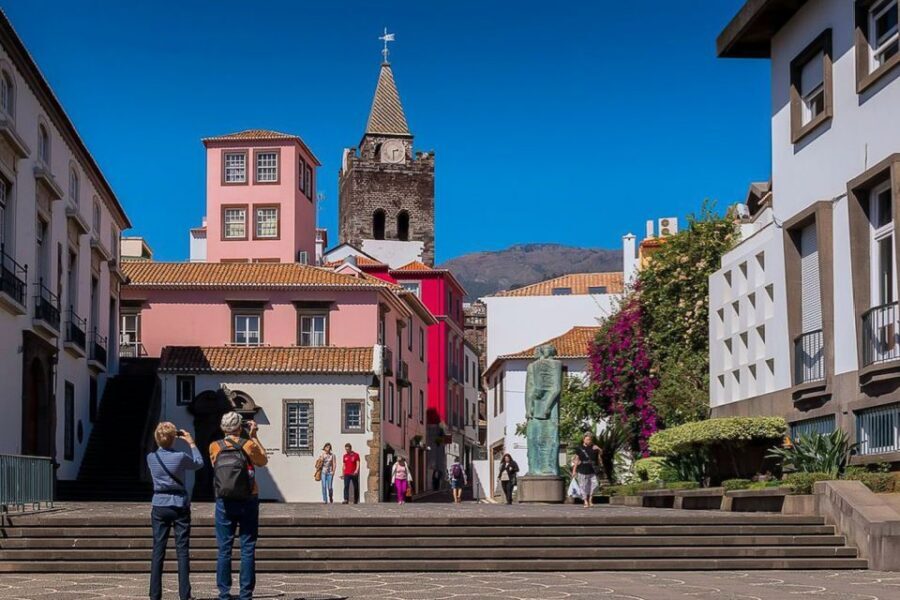
After the market, the tour heads through Rua de Santa Maria toward Admiral’s Garden. This is the medieval shift: smaller streets, older textures, and the kind of quiet corners you wouldn’t stumble into without a guide’s directions.
From there, you reach the ruins of an old fortress near riverbeds—areas that were once walled in to protect the city from flooding. This is one of those details that makes the city feel engineered, not accidental. Madeira’s steep terrain and water flow create real challenges, so people built responses over time. You’ll understand the logic behind the city’s layout a lot better once you see these defensive and protective remnants.
In practical terms, expect a few stretches where your phone camera gets more work than your legs—because this is where the city starts looking like old drawings come to life. It’s also a good place to ask questions. Flood protection, fortifications, medieval street patterns—these topics invite curiosity.
Colombo Square and sugarcane: the story link that makes it stick
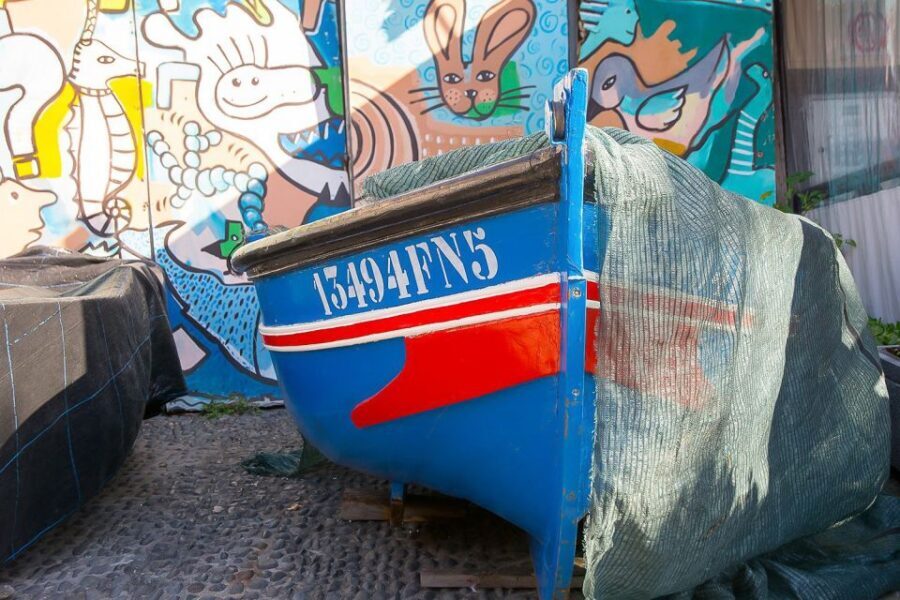
One of the most memorable parts of the walk is Colombo Square, where the tour explains Madeira’s sugarcane industry and its connection to the discoverer of the Americas, who once lived on the island.
This is the “how Madeira mattered” segment. Sugar wasn’t a background industry; it was a driver. The guide ties the economic story to the city center so you can recognize what you’re seeing and why it exists. Even if you only half remember the details later, the big idea usually stays: Madeira’s rise was powered by crops, trade, and the people who moved money and ships through the Atlantic world.
If you’re the type who hates tours that feel like a lecture, this section helps. It’s presented in a way that turns history into a story you can picture while walking. And it gives you a mental anchor for the rest of the sights.
Other walking and food tours we've reviewed in Madeira



Legislative Assembly and the Cathedral: where power and faith intersect
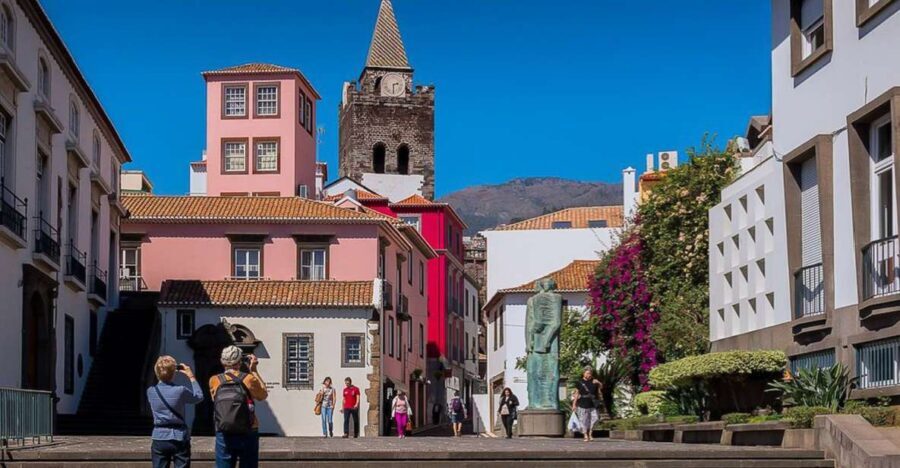
Next up are two key civic and religious stops: the Legislative Assembly of Madeira and the Funchal Cathedral.
The Assembly visit is a reminder that Funchal didn’t stay small. As power shifted over time, official institutions grew right in the heart of the city. That’s why the itinerary places this here, after you’ve already learned the economic side of the story. You’re connecting trade to authority.
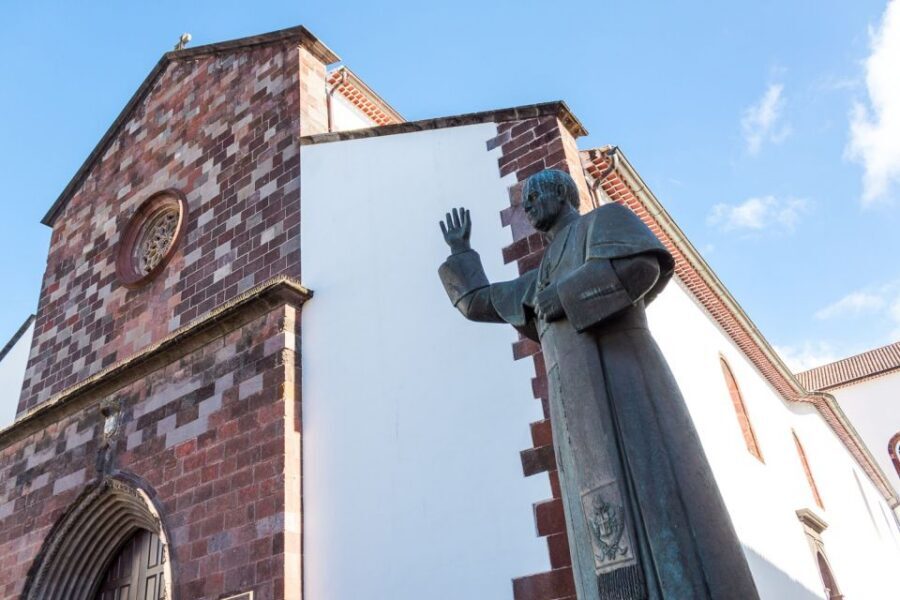
Then comes the Cathedral. The guide explains that in the 16th century it served as the seat of the largest diocese in the world. That one fact gives you a new way to look at the building. It isn’t only architecture; it’s a clue about Madeira’s global role through the lens of the Church.
If you’re wondering whether you’ll feel rushed at these interior stops: the tour is designed for a steady 2-hour tempo with photo opportunities and small-group attention. Many guides also build in short check-ins like 10-minute moments to explore. In other words, you’re not stuck staring at a speaker the whole time.
Municipal Garden, Wine Lodge, and the Madeira stop that tastes like the island
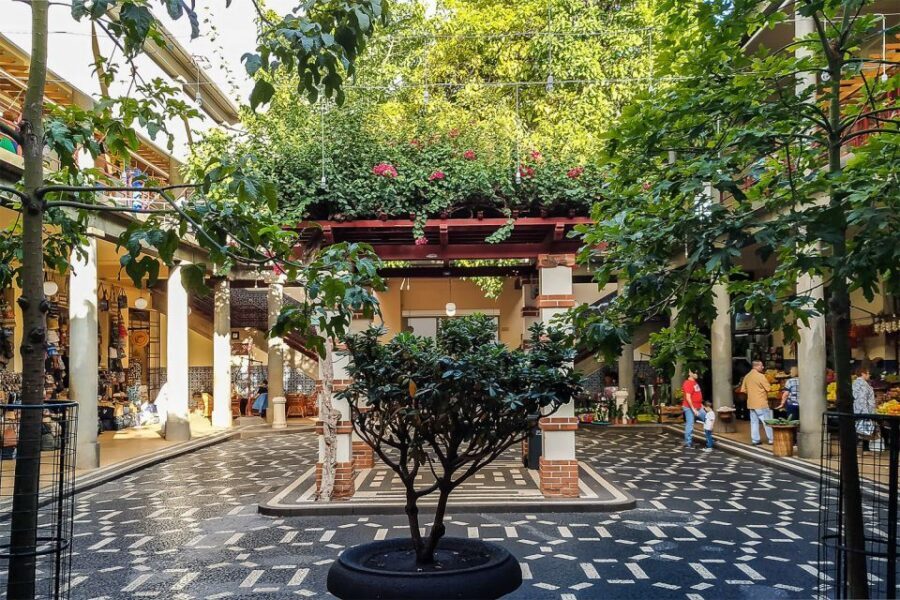
After the major landmarks, the tour makes a softer turn through the Jardim Municipal do Funchal (Municipal Garden). You then stop at a traditional Wine Lodge.
This is a practical palate cleanser after the heavy historical bits. Even if you don’t consider yourself a wine person, Madeira wine is part of the cultural identity here. A quick lodge visit also gives you a real sense of how local producers think about heritage and craft.
Some groups get a short Madeira wine tasting at the end tied to the University shop area. Even if tasting isn’t your goal, the lodge moment is still valuable because it adds a sensory layer to what you’ve learned about island industries.
If you’re traveling with friends or family, this is the part everyone remembers later because it’s tangible. History is great, but tastes stick.
Photography Museum Atelier Vicente’s and the Jesuits’ Church finish
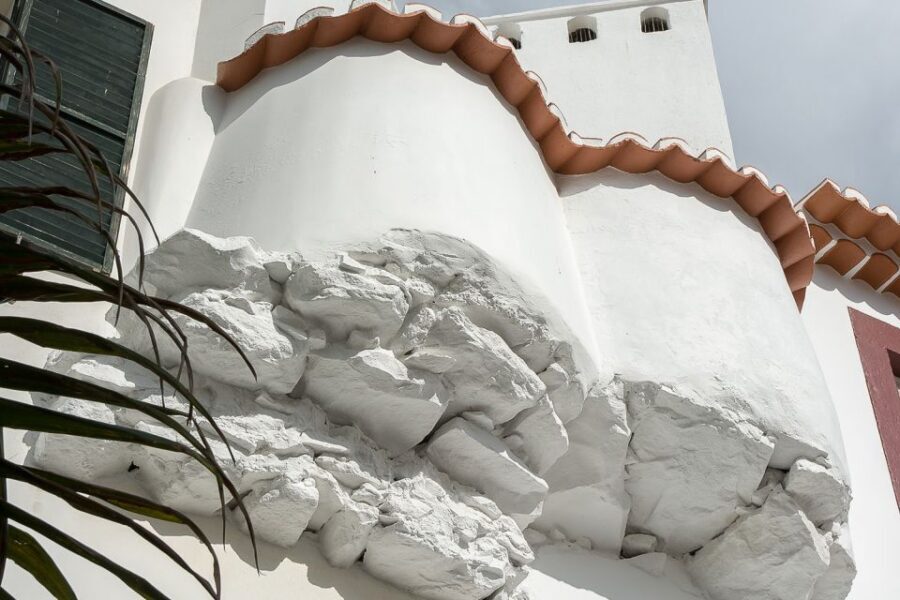
The itinerary also includes a pass by the Madeira Photography Museum – Atelier Vicente’s, which can be a nice breather. Photography usually works well on a walking tour because it lets you reset attention without losing momentum.
Then you reach the closer: Igreja do Colégio and the return to the former Jesuits’ College founded by King Sebastian of Portugal in the 16th century. This ending matters because it ties the whole walk together. You started in an education-focused campus setting, and you finish at a historical institution that reflects how education, religion, and governance intertwined in Funchal’s growth.
The church stop is also a good capstone if you like architecture with context. You’re not just looking at walls—you’re looking at why the Jesuits mattered in this island setting.
Small group energy, guide names, and why that changes the whole walk
A lot of the praise for this tour centers on the guide experience. You’ll see names like Annabelle, Elias, Elea, Hugo, Hannah, Sarah, and Elena showing up with consistent feedback: clear pacing, patience with questions, and time for photos.
That matters because Funchal’s old town is compact but layered. If you’re in a larger group, you often get rushed past the interesting details. Here, the small group format keeps the tour human. Even people who love only a few sights usually end up liking more because the guide connects them.
If you’re the kind of visitor who likes practical next steps, you’ll likely get those too. Many guides include local recommendations as you go, especially about where to return for market time or which areas are worth a second look.
Price and value: why $19 can be a good deal in Madeira
At about $19 per person for a 2-hour walking tour, the value is strong if you want a guided orientation to the old center. This isn’t a long excursion with bus time and big ticket transfers. It’s a concentrated walk that combines multiple key sights in a logical order, plus entrances and specific stops like the Farmers’ Market, sweet factory, Wine Lodge visit, and the Jesuits’ College component.
You also get something that’s harder to price: storytelling that turns individual spots into a connected picture. When you understand the sugar industry, fortifications, and the influence of institutions like the Jesuits’ College, you’ll explore the rest of Funchal with better eyes.
And there’s an extra value angle: the tour supports student-led initiatives and educational outreach connected to the University of Madeira, plus social assistance programmes for students. That means your ticket isn’t only buying interpretation—it’s funding local student support tied to education.
If you’re only in Funchal for a short window, this is the kind of first-day activity that can save you time later. You’ll know what you missed and what to revisit.
Who should book this tour (and who might choose differently)
You’ll like this tour if you:
- Want a guided first pass through Funchal old town without overplanning
- Enjoy history that connects to real places you’ll see again later
- Prefer small-group walking over big-bus sightseeing
- Like mixing landmark stops with local industry stories (sugar, sweets, wine)
You might choose something else if:
- You dislike cobbled streets and inclines. The walk is manageable for many, but it’s not flat.
- You want lots of free time. This tour keeps a steady pace and uses stops efficiently.
This is also a good match for children aged 10+ (with younger kids welcome with supervision), since it’s structured and short.
Quick tips before you go
- Wear comfortable shoes. Cobblestones are the real enemy, not the hills.
- Keep bags small. Luggage or large bags aren’t allowed.
- Bring sun protection or a rain layer. The tour runs in most weather conditions.
- If you have a strong language preference, plan ahead so the right guide is available (German, English, French).
Should you book the Funchal Old Town Walking Tour?
If it’s your first time in Madeira, I think this one is an easy yes. It’s short, it hits the main historical threads, and it adds practical texture through the market, sweet factory, wine lodge, and the Jesuits’ College finish. The guides—whether you get someone like Elias, Elea, or Hannah—tend to make the walk feel paced for real conversation, not just a script.
Book it when you want to get your bearings fast and leave with ideas you can actually act on the rest of your trip.
FAQ
Do I need hotel pick-up or drop-off?
No. There’s no hotel pick-up or drop-off included. You start at the Jesuits’ College of Funchal at the University of Madeira area.
Where exactly is the meeting point?
Meet at the Jesuits’ College of Funchal (University of Madeira Rectory) on Rua dos Ferreiros in the city center, next to D’Oliveiras Madeira Wine. The meeting point is at the University entrance on the street beside the Jesuits’ Church.
How long is the tour?
The walking tour lasts 2 hours.
What stops are included during the walk?
You visit the Farmers’ Market, a 19th-century sweet factory, and a traditional Wine Lodge. The tour also includes stops/visits around key sites such as the Legislative Assembly, the Cathedral, and the Jesuits’ College area.
Is food or drinks included?
Food and beverages aren’t listed as included. The tour includes a Wine Lodge visit, and some groups also experience a short wine tasting at the end, but food isn’t part of the listed inclusions.
What languages do the guides speak?
The live tour guide languages are German, English, and French.
What should I bring and wear?
Wear comfortable shoes. The route includes cobbled streets and slight inclines, and it’s not described as suitable for limited mobility.