Funchal has stories you won’t see on posters. This 2-hour Hidden Funchal walking tour threads together nobles, nuns, and foreign settlers as you move through real streets, not staged stops. I like the way it gives you context fast, starting with the Jesuits’ College and swinging into the British/English side of town.
Two things I especially appreciate: the pace and attention from the guide. Even when people want to ask more questions, the tour tends not to feel rushed, and the small-group format helps you actually hear the details. Second, the views are earned, not just handed to you with a quick photo stop—Quinta das Cruzes viewpoint is a proper payoff.
One consideration: the route includes cobbled streets and slight inclines, so while it’s listed as wheelchair accessible, it may still be tough if you’re limited on hills and uneven ground. Also, depending on the exact group and flow, you may mostly see some church stops from the outside.
In This Review
- Key Things I’d Pencil In
- Entering Funchal Through the Jesuits’ College (and the 1566 attack)
- The English Neighbourhood Trail and the English Church
- Santa Clara Monastery: Nuns, Royal Cake Tastes, and the Stories People Remember
- Manor Houses, Noble Families, and the Funchal Backstreet Feel
- Quinta das Cruzes Viewpoint and João Gonçalves Zarco’s Legacy
- Pace, Timing, and How to Make the Most of 2 Hours
- Price and Value: Why $17 Works Here
- Practical Notes Before You Go (so you don’t waste a minute)
- Should You Book Hidden Funchal?
- FAQ
- How long is the Hidden Funchal: Stories & Secrets Tour?
- What time does the tour start?
- Where do I meet the guide?
- Where does the tour end?
- Is hotel pick-up or drop-off included?
- What language is the tour guide in?
- Is the tour wheelchair accessible?
- Is food or drink included?
- What should I bring?
- Are pets or large bags allowed?
Key Things I’d Pencil In
- Start at the Jesuits’ College of Funchal for the four-century story that sets the tone
- Follow the British/English trail through neighbourhoods and the English Church area
- Hear what’s really behind Santa Clara Monastery stories, including the cake connection
- Walk quiet streets that most visitors skip, with stops chosen for history and architecture
- Get panorama time at Quinta das Cruzes, tied to João Gonçalves Zarco’s early settlement legacy
- Support students in Madeira through the university-led heritage programme
Entering Funchal Through the Jesuits’ College (and the 1566 attack)
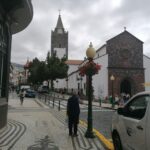
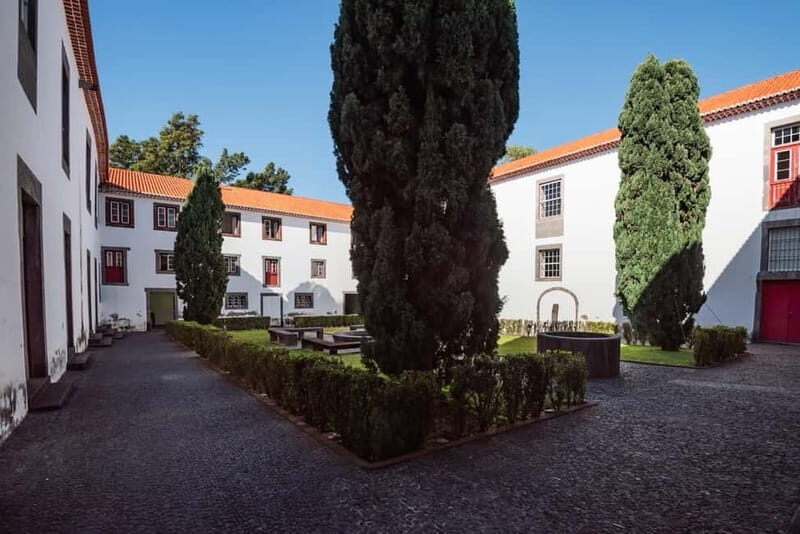
The tour kicks off at the Jesuits’ College of Funchal, part of the University of Madeira, right in the city centre near D’Oliveiras Madeira Wine on Rua dos Ferreiros. You meet at the University entrance on the street, by the glass doors and the University of Madeira signage—your meeting point is not inside the church.
This matters because it frames how you’ll experience Funchal for the next two hours. The Jesuits’ College brings you straight into the big-picture story: Funchal wasn’t always a relaxed seaside town with a cruise of tourists. The guide sets up the island’s turning points, including the dramatic French attack of 1566. Even if you don’t love military history, it helps you understand why powerful families built, rebuilt, and positioned themselves where they did.
And right away you’ll feel the tour’s style: short explanations, clear connections between buildings and people, and stories you can carry into the rest of your trip.
Other Funchal old town walks we've reviewed in Madeira

The English Neighbourhood Trail and the English Church
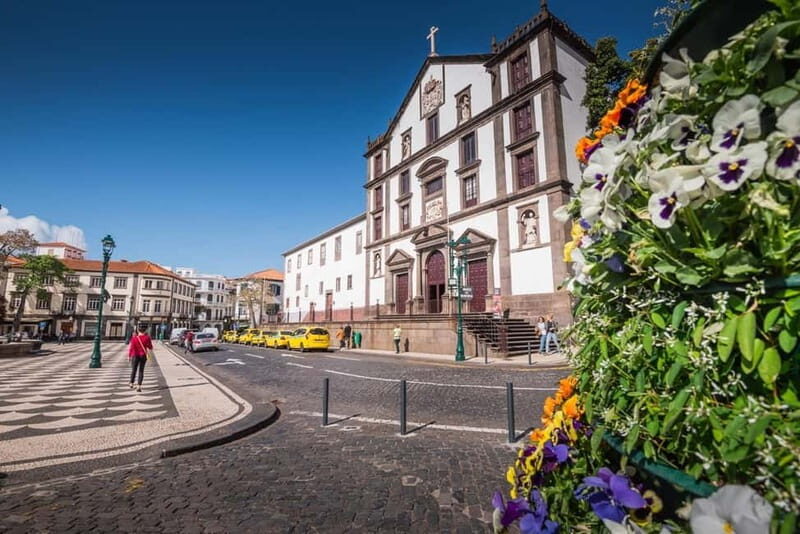
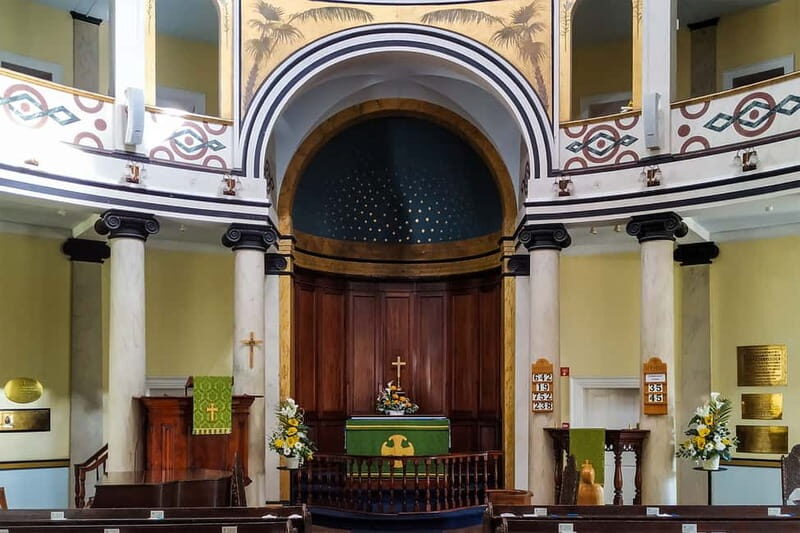
After that opening, you start moving through parts of Funchal that feel more lived-in and less postcard-perfect. You’ll pass through the charming English neighbourhood and learn how British families helped shape Madeira’s identity over the centuries.
This is one of the tour’s smartest moves: you’re not just seeing the idea of English influence. You’re getting the why. The British presence in Madeira is one of those topics that can feel vague if you only read about it in passing. Here, it’s tied to specific places and the kinds of social networks that formed around them.
You also stop at the English Church. The tour description emphasizes visiting it, but the exact access can vary with timing and operations. If church interior access is a priority for you, treat this as a reminder to check what’s possible on your date. The bigger win is that you’ll understand how the English community left a mark on the city’s streetscape.
If you want a route that helps you see Madeira as a crossroads—Portuguese, English, French, and beyond—this is the section where it starts clicking.
Santa Clara Monastery: Nuns, Royal Cake Tastes, and the Stories People Remember
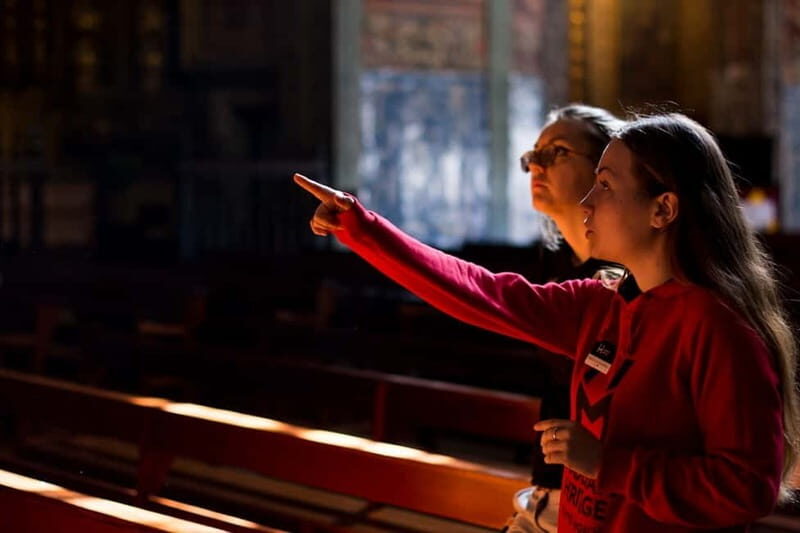
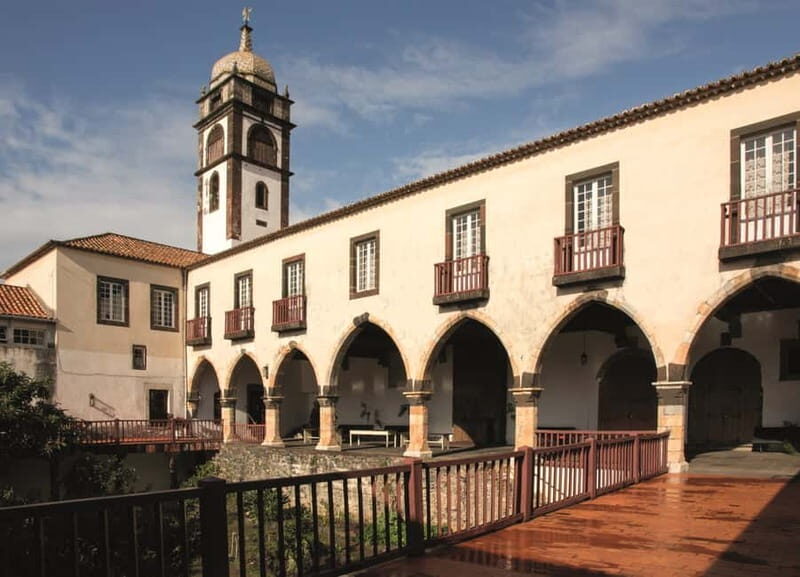
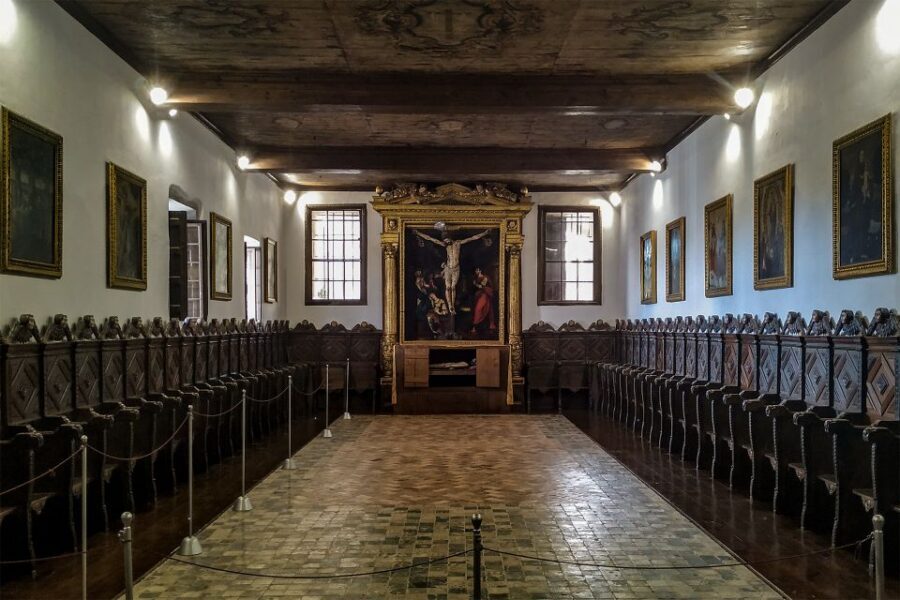
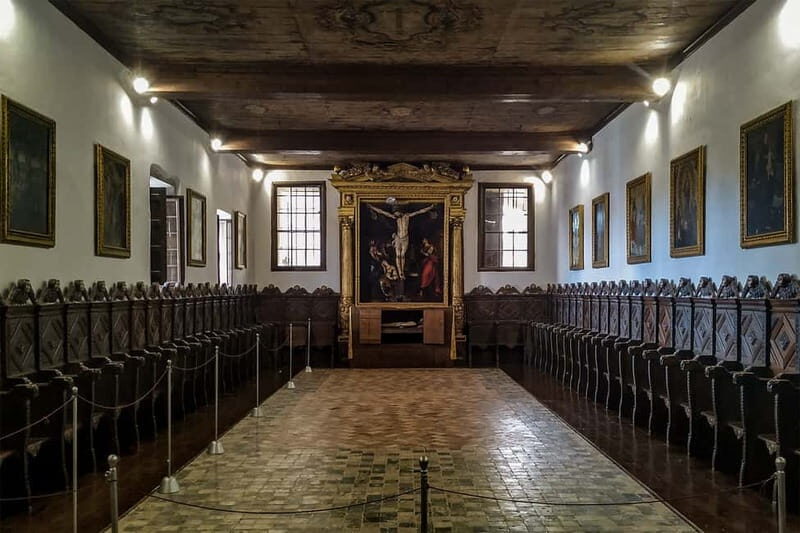
One of the highlights is the stop at Santa Clara Monastery, where you’ll hear surprising stories about the cloistered nuns and how the monastery later became a tourist attraction. The guide also covers the royals who visited to taste Madeira’s famous queijadas.
This portion is fun because it’s not just religious architecture. It’s about everyday culture and how food can become part of power and tradition. Queijadas show up as a key thread that links past visitors—royalty—with the way the island’s identity is still tasted today.
The monastery area also works well for photos, but don’t treat it as a quick scenic detour. The guide’s narration gives you something to look for: the relationships between walls, courtyards, and the kinds of routes people would have taken when the monastery was more closed off.
If you like your history practical—what people ate, who came, and why—this stop is a big reason to book.
Manor Houses, Noble Families, and the Funchal Backstreet Feel
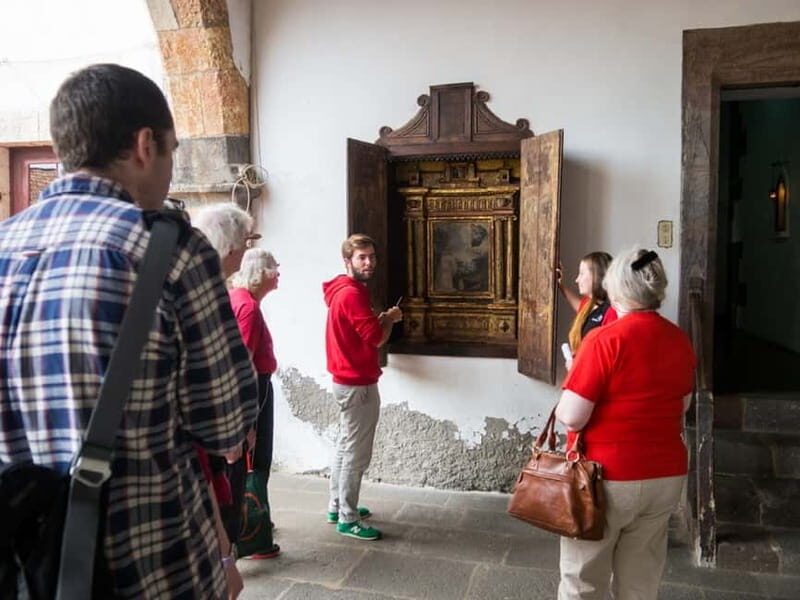
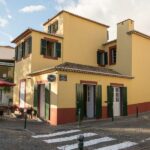
As the route continues, you’ll notice the tour doesn’t only chase famous names. You’re led past manor houses built by Madeiran elites and into quiet backstreets and historical districts that most people rush through.
These streets are where you start understanding Funchal’s layering. A building here isn’t just pretty or old. It’s a clue. The guide points out architectural landmarks and connects them to churches and noble family activity, so the city starts to read like a timeline.
In the best moments, you’ll walk through leafy squares and along old convent walls with a clear sense of what those spaces used to mean. This is exactly where a small-group walking tour beats a bus tour: you can slow down, take in the details, and ask questions without feeling like you’re holding up a machine.
A couple of guide names you may encounter include Sabrin, Daniel, Laura, Hannah, Louise, Julia, Len, and Carlos. Even when guides are different people, the consistent theme seems to be that the narration stays lively and structured, with time to talk.
And yes, one group also loved a quirky retro stop tied to a five-floor bookshop you might pass along the route. It’s the kind of detail that turns a history walk into a genuine wandering afternoon.
Quinta das Cruzes Viewpoint and João Gonçalves Zarco’s Legacy
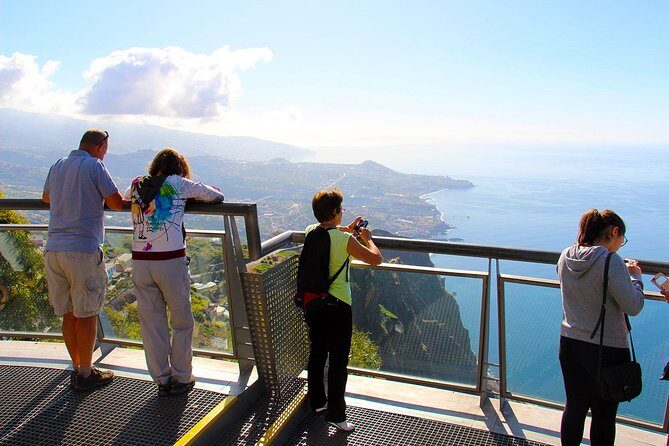
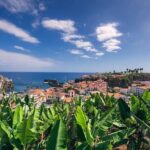
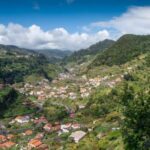
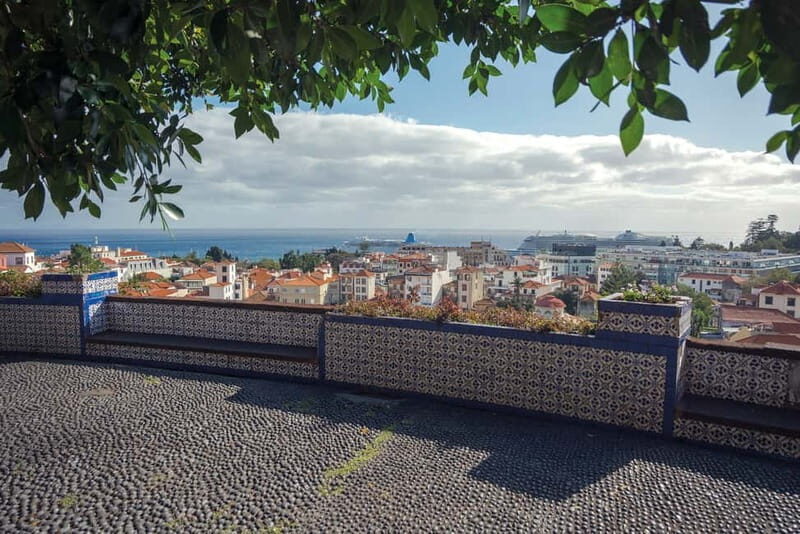
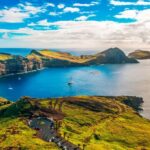
Just when you think you’ve settled into a story-based walk, you get one of the tour’s clean rewards: panoramic views from Quinta das Cruzes viewpoint.
This spot is close to the former home of João Gonçalves Zarco, the naval captain linked to early settlement of the island in the name of the Portuguese king in the 15th century. The guide uses that connection to tie Madeira’s origins to the physical shape of the town and how people would have seen and moved through it.
The viewpoint also gives you a mental reset. Two hours of walking and talking can blur streets together. A good view does what maps can’t—it locks things into place.
For me, this is where you’ll feel the tour’s value most strongly: you’re not only learning; you’re also calibrating your sense of direction in Funchal. That pays off later, when you’re trying to navigate on your own.




Pace, Timing, and How to Make the Most of 2 Hours
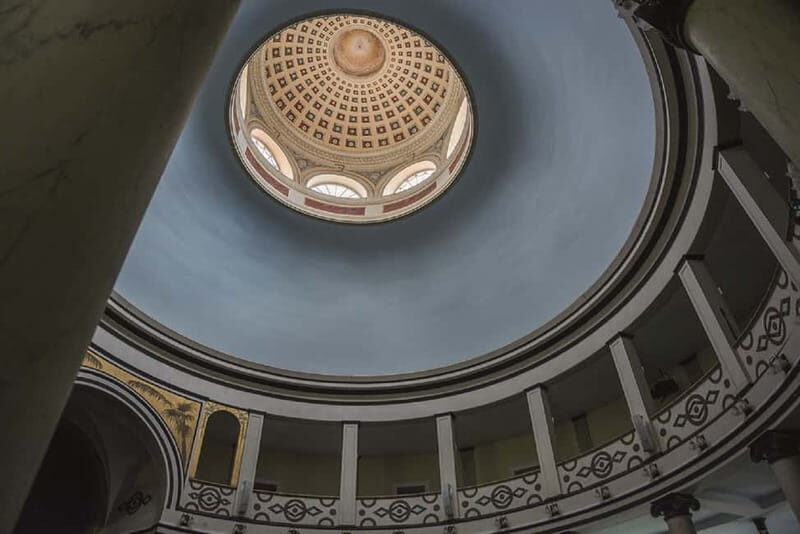
The tour is listed as lasting 2 hours. In practice, it’s a walking tour, so the pace stays moderate, with stops built in for stories and questions. Small groups help here. You’re not squeezed into a large crowd, and the guide can adapt to how much people want to talk.
From the feedback, a common strength is that guides don’t push people along just to hit a checklist. If you want time for photos, that matters. One visitor even noted that the guide took extra time without making it feel like a hassle—exactly the kind of tour style you’ll enjoy if you’re the type who likes to slow down.
Still, there can be small timing differences based on the day’s flow. If you have a strict appointment afterward, I’d plan a little buffer.
What to bring: comfortable shoes. Cobblestones and slight inclines mean your feet will notice everything by the end. Also think sun or rain. The tour runs in most weather conditions, so pack based on the forecast and don’t assume Madeira is always mild.
Price and Value: Why $17 Works Here
At around $17 per person, this is priced like a smart budget activity, not a premium production. For that money, you get a real guided walk that’s built around specific historical locations and narration, plus a clear social purpose.
Here’s the value piece that’s easy to miss if you only look at the headline cost: this is part of the Madeiran Heritage programme developed at the University of Madeira and delivered by students and volunteers. Proceeds help fund free educational visits for schools across the region and support social programmes for needy university students.
So your payment isn’t only buying a guide. It’s helping keep education moving locally. That makes the whole experience feel more meaningful without turning it into a lecture.
If you’re on a tight schedule in Funchal and want something that helps you understand the city instead of just seeing it, this tour is a strong match.
Practical Notes Before You Go (so you don’t waste a minute)
A few straightforward details will make your start smoother:
- Meeting point: Jesuits’ College of Funchal, University of Madeira, Rua dos Ferreiros, next to D’Oliveiras Madeira Wine. Look for the University entrance by the glass doors and signage.
- Arrive: plan to be there about 10 minutes early.
- End point: it finishes back at the same meeting point.
- What’s not included: hotel pick-up/drop-off, food and drinks, personal expenses.
- What’s allowed: comfortable walking setup.
- Not allowed: pets and luggage or large bags.
One more heads-up: while wheelchair accessibility is listed, the route includes cobbled streets and slight inclines. If you use a chair or have limited mobility, I’d treat it as potentially challenging rather than automatically easy. Bringing a cautious mindset helps you have a better day.
Should You Book Hidden Funchal?
Yes—if you want more than a standard old-town walk. Book it if you care about how different communities shaped Funchal, especially the English influence and the stories around Santa Clara Monastery and queijadas. You’ll also appreciate it if you like guided walking tours because you get a street-level education, not just isolated facts.
I’d skip or rethink it if:
- You can’t handle cobblestones and inclines, even with a slower pace.
- You’re only interested in big-ticket sights and don’t care about neighbourhood history.
- You need guaranteed interior access to every church stop (the tour is about the route and narration, and access can vary).
If you’re sitting in Funchal with half a day and you want to understand the city quickly—then get your bearings for the rest of your trip—this is one of the better value choices on the island.
FAQ
How long is the Hidden Funchal: Stories & Secrets Tour?
The tour lasts about 2 hours.
What time does the tour start?
Starting times vary, so you’ll need to check availability for the schedule on your travel dates.
Where do I meet the guide?
Meet at the Jesuits’ College of Funchal, University of Madeira, next to D’Oliveiras Madeira Wine on Rua dos Ferreiros. The meeting point is at the University entrance on the street beside the Jesuits’ Church, by the glass doors and University of Madeira signage.
Where does the tour end?
The tour ends back at the same meeting point.
Is hotel pick-up or drop-off included?
No. Hotel pick-up and drop-off are not included.
What language is the tour guide in?
The live tour guide speaks English.
Is the tour wheelchair accessible?
It is listed as wheelchair accessible, but the route includes cobbled streets and slight inclines, so it may not suit limited mobility.
Is food or drink included?
No. Food and drinks are not included.
What should I bring?
Bring comfortable shoes. Also consider sun protection or rain gear depending on the forecast.
Are pets or large bags allowed?
Pets are not allowed, and luggage or large bags are not allowed.