REVIEW · MADEIRA
A Self-Guided Walk Through Funchal’s Historic Heart With a Local
Book on Viator →Operated by VoiceMap Audio Tours · Bookable on Viator
Want Funchal stories without big tours? This self-guided audio walk lets you wander at your pace, stopping at major landmarks and a few quieter corners for only $8.99. I love the way the English narration keeps you oriented while you’re moving, so you don’t just pass sights, you actually understand what you’re looking at.
I also like how the route blends scenery and symbolism, from Quinta Vigia viewpoints to the freedom message of Praça da Autonomia. One drawback: since it’s self-guided with an app (VoiceMap), you won’t have a person on the spot to answer questions, so you’ll get the best results if you’re happy following audio cues and exploring independently.
In This Review
- Key things to know before you go
- Why This Self-Guided Funchal Walk Works So Well
- Start at Quinta Vigia: The Calm View-Spot That Sets the Tone
- Santa Catarina Park and the Manueline Chapel Details Worth Chasing
- The Old Protestant Cemetery: A Quiet Monument to Shared Story
- First Protestant Church in Portugal: Architecture, Faith, and Wine Money
- São Pedro and St. Peter’s Church: Ancient Streets With Meaning
- The Square With Wave-Patterned Cobblestones and St. John the Evangelist
- Zarco in the Heart of Funchal: A Statue That Explains Settlement
- Palácio de São Lourenço: Fortress-Scale Presence in the City
- Along the Quay: Madeira’s Maritime Gateway
- Praça do Povo and Praça da Autonomia: Two Public Squares, Two Messages
- Mercado dos Lavradores: Finish With Madeiran Flavor
- Price, Timing, and Making the Walk Feel Like Yours
- Who Should Book This Walk (and Who Might Skip It)
- Should You Book This Funchal Historic Heart Walk?
- FAQ
- How much does the Funchal historic walk cost?
- How long does the experience take?
- Is the tour offered in English?
- What are the start and end points?
- Is this a private tour?
- Who provides the audio experience?
- Can I bring a service animal?
- Is the meeting point near public transportation?
- When can I do the walk?
- What is the cancellation policy?
Key things to know before you go
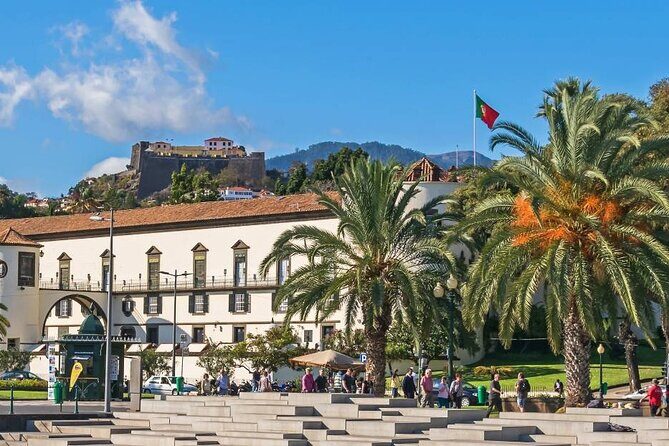
- English audio guides you through Funchal’s historic heart with story-based stops
- 1.5 to 2 hours fits easily into a half-day plan without killing your schedule
- Start at Quinta Vigia and finish near Mercado dos Lavradores for food and photos
- Private for your group, so you’re not stuck with strangers changing the pace
- Great for solo travelers, especially if you like pausing often for views and details
- Plan for walking, with the nicest moments coming from stopping frequently at viewpoints and churches
Why This Self-Guided Funchal Walk Works So Well
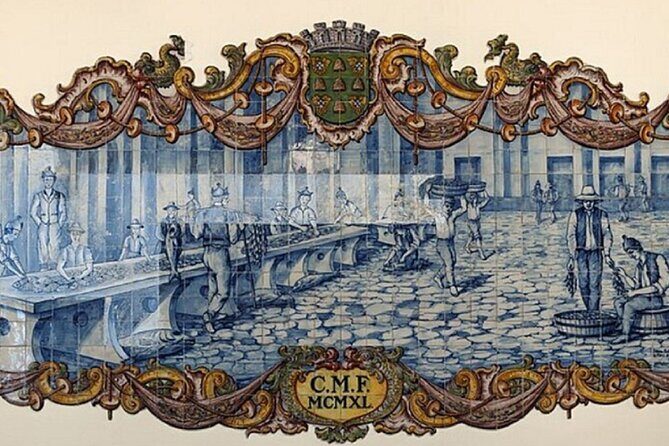
Funchal’s historic center can feel like a blur if you’re only looking at buildings from the sidewalk. This experience helps you slow down. It’s built around clear, named stops, each with enough context to make the place feel meaningful instead of just pretty.
You’ll get an efficient mix: official sites, parks, cemeteries, churches, squares, forts, and the harbor area, all tied together by stories about Madeira and Funchal. Because it’s audio-led, you control your pace. If you want more time in a garden or on a viewpoint, you can just keep walking when you’re ready.
And at $8.99, it’s easy to justify. This isn’t trying to replace a full day with a guide; it’s a smart add-on that helps you get your bearings fast and understand the big themes of the city.
Other walking tours we've reviewed in Madeira


Start at Quinta Vigia: The Calm View-Spot That Sets the Tone
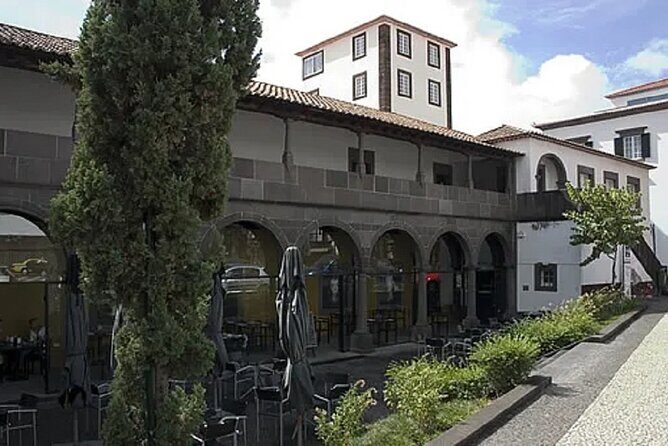
You begin at Quinta Vigia, the historic Official Residence of the Regional President of the Autonomous Region. The key here isn’t just the building—it’s the way this start creates contrast. You step into a calmer pocket with lush greenery and wide coastline views, right at the start of your walk.
This is a good first stop for two reasons. First, you can get oriented early: you’ll start to connect the city streets you’ll walk next to what you see from above. Second, it’s a gentle warm-up. Instead of starting in the busiest part of town, you begin with space to breathe and look around.
Practical tip: if you’re the type who likes photos, start here with a few minutes buffer. The best coastal angles don’t always match the first spot your eye lands on.
Santa Catarina Park and the Manueline Chapel Details Worth Chasing
Next up is Santa Catarina Park, a garden-style pause with flowerbeds featuring both exotic and endemic plants. Gardens in Madeira aren’t only for looks; they’re part of the island’s mix of local identity and global connections.
From there, the audio turns toward Santa Catarina Chapel and its Manueline architecture. The Manueline style is a big deal in Portugal, and hearing what to look for helps. This stop also points you to the fact that Santa Catarina Chapel is described as the first chapel erected in Funchal, so it’s not just decorative—it’s a marker of how early religious life took shape here.
What I like about this portion is that it teaches you how to notice. You’re encouraged to slow down and observe textures and design rather than just moving on. The drawback is simple: parks require patience. If you hate stopping, this will feel like an interruption. If you like breathing room, it’s one of the best uses of the time.
The Old Protestant Cemetery: A Quiet Monument to Shared Story
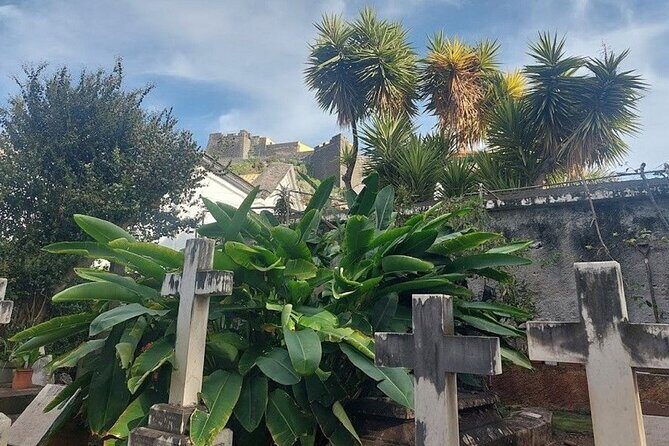
You’ll then visit the oldest Protestant Cemetery in Portugal. Even if cemeteries aren’t your top interest, this stop works because it’s framed as a cultural bridge. The cemetery is described as a touching monument to the enduring Anglo-Portuguese alliance.
This is one of those places where the audio narrative turns a site into a connection point. You learn that Madeira’s history includes more than one national thread, and this cemetery becomes a physical reminder of that mix. It’s also a reminder that the island’s story includes communities beyond the usual labels.
A practical note: treat this stop with respect and keep your voice low, even if you’re moving quickly. The experience is designed to feel reflective, and the tone matters.
First Protestant Church in Portugal: Architecture, Faith, and Wine Money
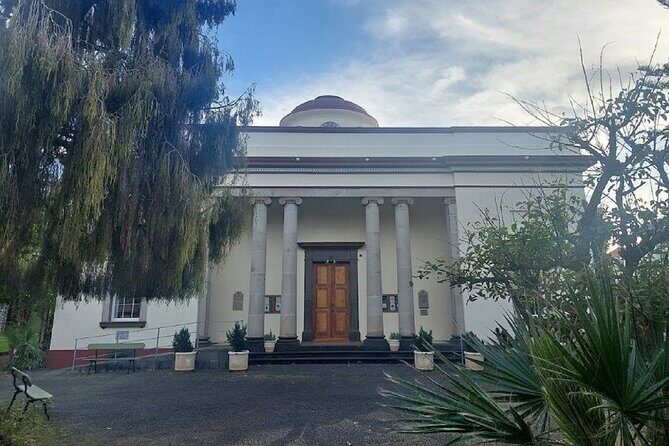
After the cemetery, the walk heads toward the first Protestant church in Portugal. This is described as a majestic symbol of Funchal’s religious heritage and architectural splendor, and there’s an especially interesting detail: part of its funding is linked to the historic sale of Madeira Wine.
That funding connection changes how you might view the church. You’re not just looking at a building—you’re seeing how trade and local economy helped shape religious institutions. Madeira Wine is one of the island’s best-known stories, and here it connects directly to a religious landmark.
If you’re a detail person, spend an extra minute here with the audio playing, then look again without it. That two-step approach often helps you actually retain what you just heard.
Other guided tours in Madeira

São Pedro and St. Peter’s Church: Ancient Streets With Meaning
From there, you move into the historic centre of São Pedro, focused on St. Peter’s Church. The audio framing is about a revered religious site and the artistic and architectural treasures that speak to Madeira’s past.
São Pedro is a good section for walking because it encourages small pauses. You’ll likely notice how the streets feel older, and the stop helps you make sense of why. Instead of treating the route like a checklist of sights, you start to see it as a story of settlement, faith, and design choices over time.
One word of caution: church interiors can have rules. The tour data doesn’t list specifics, so I’ll keep this general. Be ready to adjust your plans if access is limited when you arrive.
The Square With Wave-Patterned Cobblestones and St. John the Evangelist

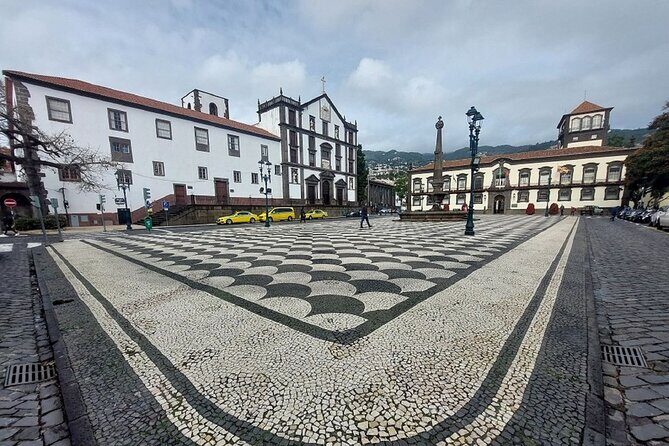
One of the more visually memorable moments is the Portuguese cobblestone pavement shaped in wave patterns. This iconic square is exactly the kind of place where audio helps, because you’re meant to look at your feet and then glance outward at the surrounding monuments.
The route points you toward St. John The Evangelist Church, described as standing over the square with stunning architecture, intricate carvings, and gilded interiors. The gilding detail matters: it’s the sort of interior feature you’d miss if you weren’t told to look for it.
This part is also where you can slow down for people-watching if you want it. Even without extra time, you’ll likely feel the city’s rhythm here, because a square pulls everything into one central stage.
Zarco in the Heart of Funchal: A Statue That Explains Settlement
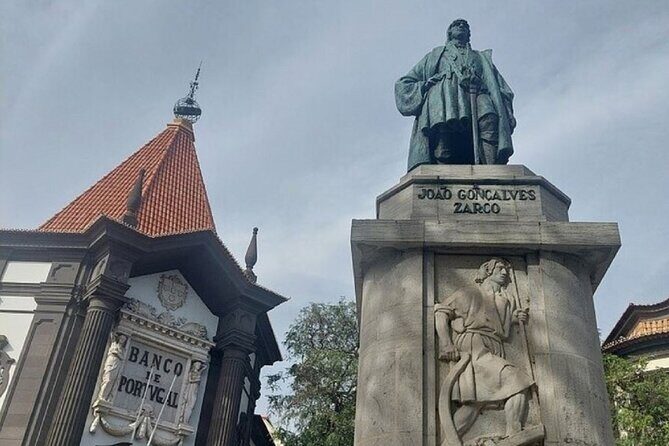
Next, you meet Zarco immortalized by a towering statue in Funchal’s heart. The audio doesn’t just name him—it ties the figure to the settlement story and reminds you that Zarco is credited with unveiling Madeira about 600 years ago, shaping what the island became afterward.
This stop works especially well for first-time visitors. Statues can feel like decoration, but here the story makes it a turning point. You start connecting the streets you’re walking to larger historical decisions—who arrived, why, and what changed.
If you enjoy photo stops, this is a reliable one. The statue gives you a strong focal point, and you don’t need to hunt for the perfect angle.
Palácio de São Lourenço: Fortress-Scale Presence in the City
Then you reach the Palácio de São Lourenço, described as Funchal’s first-ever fortress. This is the kind of stop that gives the walk some muscle. A fortress signals strategy and defense, and the route presents the building as reflecting Funchal’s strategic importance and storied past.
The audio helps you see why a site like this matters even in modern streets. Fortresses don’t just sit there; they tell you that people once lived with threat, trade, and political pressure close at hand.
Practical tip: if you’re short on time, don’t rush this stop. The exterior impact is part of the experience, and it’s one of the few moments where the walk feels like it has a clear power theme.
Along the Quay: Madeira’s Maritime Gateway
You then stroll along Funchal’s picturesque quay, described as Madeira’s gateway to the island’s maritime history and adventures. Even if you don’t know much about Madeira’s shipping traditions, a waterfront walk makes the story feel real.
This is also a smart pacing break. After churches and historic sites, the sea and open air help your brain rest. You can look across the water and suddenly the city’s geography feels less random and more purposeful.
If your schedule allows, pause here to enjoy the light. Coastal areas change dramatically with the sun, and your photos will look better if you wait for a good moment rather than snapping immediately.
Praça do Povo and Praça da Autonomia: Two Public Squares, Two Messages
Next is Praça do Povo, People’s Square, presented as a lively gathering place where locals and visitors meet. Even as an audio stop, this isn’t just sightseeing. It’s about reading the city’s social layout: squares are where daily life concentrates.
Then comes Praça da Autonomia, with the Monument to Autonomy featuring a woman breaking free. The audio frames it as a powerful symbol of the pride and autonomy cherished by Madeiran people.
This is one of the best emotional turns in the route. It shifts the story from architecture and explorers to identity and self-determination. You’ll likely feel a difference in the mood here, and it gives the walk a strong ending note before you move into food and celebration.
Mercado dos Lavradores: Finish With Madeiran Flavor
You end at Mercado dos Lavradores and finish near Cica Café. The market is where the walk’s history turns into something you can taste. It’s described as a bustling place where you can savor Madeiran delicacies that connect back to the island’s settlers.
Markets like this are also a practical gift: you don’t have to plan a separate lunch stop. You can wrap the walk and then keep moving through the stalls at your own pace. If you enjoy food souvenirs, this is a good moment to browse before you leave Funchal.
My advice: go with one simple plan. Decide whether you want a quick bite or a proper meal, then let the market help you choose. That keeps you from getting overwhelmed by options.
Price, Timing, and Making the Walk Feel Like Yours
At $8.99 per person, the value here is about efficiency. For the cost of a coffee, you get a structured route that’s long enough to feel like you explored but short enough to fit between other Madeira plans.
Duration is about 1 hour 30 minutes to 2 hours, which is ideal when you want cultural context without losing a whole day. Also, the tour is offered in English, and you receive confirmation at booking.
One detail I appreciate: the walk is private for your group. That matters because pacing is part of how this experience works. If you’re with friends who like to stop for photos or slow down for explanations, you won’t get pulled along by unrelated people.
Timing tip: plan for good light early or late in the day, because coastal viewpoints and exterior church architecture tend to photograph best when the sun isn’t too harsh. And if you want less crowd pressure, aim for a calmer hour rather than the peak of the day.
Also, it’s often booked about 9 days in advance on average. That doesn’t mean you must book far ahead, but it does suggest the best slot days go quickly if you’re traveling during busy seasons.
Who Should Book This Walk (and Who Might Skip It)
I think this walk is a great fit if you want:
- an easy, low-cost way to understand Funchal’s historic core
- a route with clear stops and audio guidance in English
- a flexible schedule where you control pause time at viewpoints and squares
It may not be the best fit if you need:
- face-to-face Q&A with a live guide
- a plan that covers every major church in central Funchal
That last point is worth saying gently. The route is focused. If you’re hoping for one catch-all walk that includes the Cathedral too, you might need an extra stop before or after.
Should You Book This Funchal Historic Heart Walk?
Yes—if you’re the type who likes to walk, notice design details, and connect landmarks to stories. This is smart value, and it covers a lot of key themes in a short time: early religion, Protestant links, settlement memory through Zarco, civic pride through Praça da Autonomia, and the maritime feel of the quay.
Skip it only if you dislike audio self-guided experiences or you strongly prefer a live guide who can answer questions on the spot. Otherwise, it’s an efficient way to turn a simple stroll into a more informed walk around Madeira’s main city.
FAQ
How much does the Funchal historic walk cost?
It costs $8.99 per person.
How long does the experience take?
Plan for about 1 hour 30 minutes to 2 hours.
Is the tour offered in English?
Yes, it’s offered in English.
What are the start and end points?
It starts at Quinta Vigia, Av. do Infante 1, São Martinho, 9000-015 Funchal, Portugal, and ends at Cica Café near Cica.Mercado Lavradores, Lj. 1/2, Funchal, 9060-155 Funchal, Portugal.
Is this a private tour?
Yes. Only your group will participate.
Who provides the audio experience?
The experience provider is VoiceMap Audio Tours.
Can I bring a service animal?
Yes, service animals are allowed.
Is the meeting point near public transportation?
Yes, it’s near public transportation.
When can I do the walk?
The listed opening hours show it available Monday through Sunday from 12:00 AM to 11:59 PM.
What is the cancellation policy?
You can cancel for free up to 24 hours in advance for a full refund. If you cancel less than 24 hours before the start time, the amount paid isn’t refunded.