REVIEW · MADEIRA
Climbing Madeira
Book on Viator →Operated by Madeira Climbing Center · Bookable on Viator
Your first rock climb in Madeira feels surprisingly doable. This hands-on session at Ponta de São Lourenço mixes real climbing with safety coaching, so you learn by doing, not just watching. I especially liked the small group size (max 8), and I found the belay instruction practical and confidence-building. One thing to plan for: you need a moderate fitness level and good weather, since the activity depends on conditions.
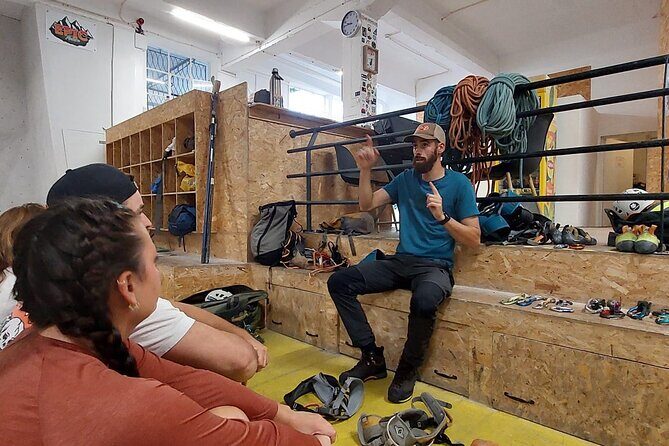
You start at the Madeira Climbing Center in Funchal early, then head to one of Madeira’s most dramatic coastal areas for a focused 4-hour block. A bonus is how friendly and adaptive the guide, José, can be; he adjusts to your climbing level if you are honest about what feels comfortable. The only drawback is that lunch is not included, so bring a plan for food before and after.
In This Review
- Key highlights you will actually care about
- Why Ponta de São Lourenço is perfect for learning to climb
- Madeira Climbing Center start: the morning setup that keeps it smooth
- The 4-hour flow: how learning actually happens on the rock
- Ponta de São Lourenço climbing: technique, safety, and those unmistakable coastal views
- What’s included (and what you must plan for)
- Price and value: what you are really paying for at $96.11
- Who this climbing session is best for (and who should rethink it)
- Weather, timing, and the one practical risk to plan around
- Should you book Climbing Madeira at Ponta de São Lourenço?
- FAQ
- What is the location of the climbing stop?
- How long is the experience?
- What time does the experience start?
- How much does it cost?
- Is the tour offered in English?
- What is included in the price?
- Is lunch included?
- What group size should I expect?
- What happens if the weather is bad?
- What is the cancellation window?
Key highlights you will actually care about
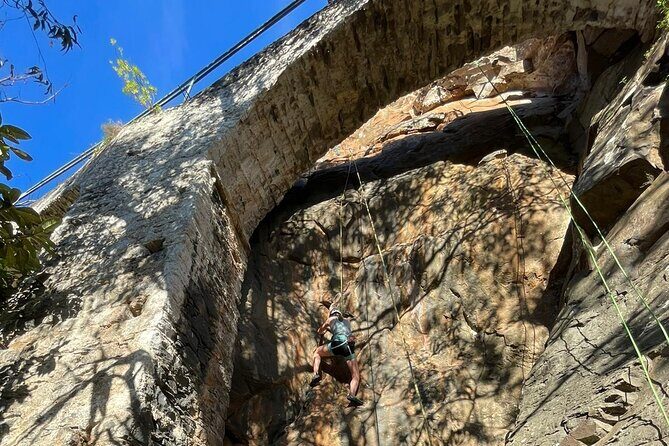
- Small group (max 8): more time with the guide and less waiting around
- Belay coaching included: you learn how to manage the rope for your partner
- All climbing gear provided: you show up and climb, without the shopping list
- Snacks and water included: fresh fruit, healthy bars, and water to keep energy steady
- Route-setter mindset: José adapts to your skill level and chooses spots accordingly
- Weather-dependent location: plan for a backup date if conditions are poor
Why Ponta de São Lourenço is perfect for learning to climb
If you are a beginner, you do not need a huge, intimidating climb to get real progress. What you want is a place where you can practice movement, feel the rope system working, and understand how safety routines fit into climbing life. Ponta de São Lourenço is built for that kind of learning because it offers rock features that lend themselves to technique practice, not just adrenaline.
This experience keeps the goal simple: education, safety, and fun. You are not thrown into the deep end. Instead, you work on the basics that make climbing safer and more enjoyable right away—especially how to manage the rope. That matters because your skill ceiling goes up quickly once you can trust the belay and communicate clearly.
I also like that the focus is on technique for people who want to improve. Even if you are not brand-new, you still benefit from structured coaching and the chance to repeat key skills in a real setting.
If you're still narrowing it down, here are other tours in Madeira we've reviewed.


Madeira Climbing Center start: the morning setup that keeps it smooth
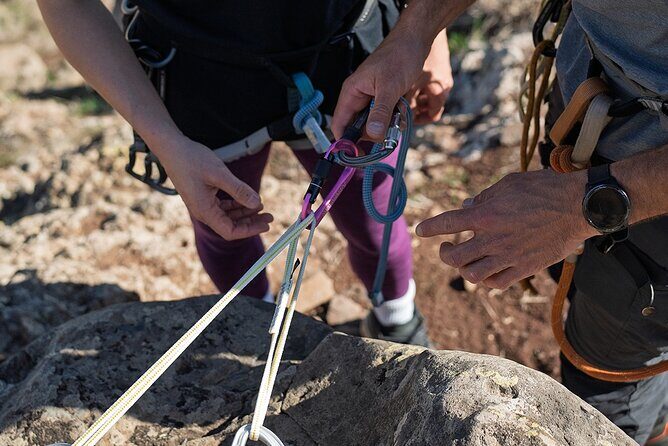
The meeting point is Madeira Climbing Center, R. Conde Carvalhal 26E, 9060-011 Funchal, Portugal. You start at 8:00 am, and the experience ends back at the same place. That “back where you started” finish is underrated. It means you do not need to figure out late transport or coordinate a return plan after you climb.
The time also helps. An early start usually gives you a better shot at workable conditions and a calmer pace before the day gets busy. This is a small group outing, too, with up to 8 travelers, so you should expect a more personal flow rather than a production line.
You get a mobile ticket, and the tour is offered in English. Confirmation happens at the time of booking. If you like knowing exactly what to expect, this is a pretty straightforward format.
If you are traveling with a service animal, the experience allows them. Also, the meeting area is near public transportation, which is helpful if you prefer not to rely entirely on taxis.
The 4-hour flow: how learning actually happens on the rock
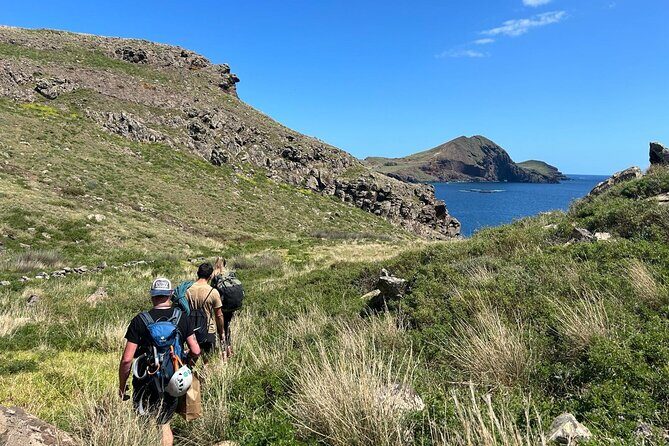
This is an about-4-hours session, so it is long enough to learn something real but short enough to stay sharp. The best part is that you are not just observing. Your hands-on training is built around doing climbing tasks while your guide coaches the safety side.
A typical rhythm you can expect:
- You get your gear handled first (since all climbing gear is included).
- You go over safety basics and rope management concepts.
- You practice climbing movements while you learn how to coordinate with your partner.
- You get guided feedback as you progress through the session.
- You finish back at the meeting point, keeping the day easy to plan.
The most important skill in the package is how to belay—meaning managing the rope for your climbing partner. That is not a trivia topic. It changes how you climb as a team. If you can belay correctly, you climb with more confidence because you know the system is working and communication is clear.
And because José is adapting to your comfort level, the practice is meant to fit you. The catch is also simple: be honest about your skills. If something feels beyond you, say so early. The guide can adjust if he knows where you are starting from.
Ponta de São Lourenço climbing: technique, safety, and those unmistakable coastal views
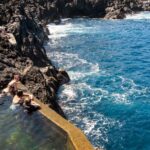
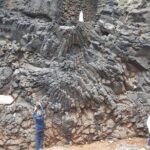
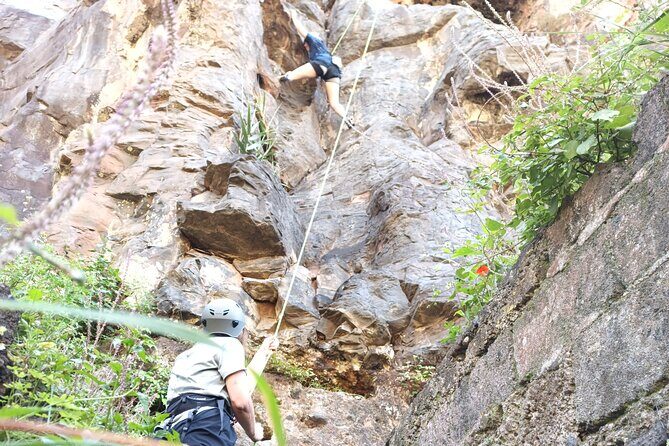
At Stop 1: Ponta de São Lourenço, the setting does half the work for you. The rock and the coastal atmosphere make it feel like a real adventure, not a classroom. But the experience stays practical: you focus on technique, safety, and active participation.
You are learning for one reason: climbing feels easier when you understand the ropes and the movement cues. That is why belay training is included. Even if your first attempts are basic, you are building the foundation that helps you improve faster later.
Here is what you will likely feel as the session goes on:
- You start with controlled practice, so you are not guessing.
- You get coaching on how to move your body efficiently.
- You practice the rope work as part of the climbing flow, not as an afterthought.
- Your confidence rises as the guide confirms what you are doing right.
José, who is also one of the route-setters, brings a useful perspective. He can choose spots that make sense for the group, and he adapts if you have different comfort levels. That is ideal for mixed beginners, where one person might be comfortable trying more technical moves while another needs more guidance and simpler progressions.
The one consideration is effort level. You should have moderate physical fitness. That does not mean you need to be an athlete. It does mean you should be prepared for climbing movements that use your arms, legs, and balance—plus time on your feet while you rotate between practice tasks.
What’s included (and what you must plan for)
This is one of those tours where the “included” list helps you travel lighter. You get:
- Snacks: fresh fruit and healthy bars
- Fresh water
- All climbing gear included
- Training on how to belay so you can actively manage the rope for your partner
That snack-and-water setup is key. In a 4-hour window, low energy can make everything harder—especially if you are learning. Having fruit and bars prevents the usual beginner problem: you get tired, your form slips, and you start second-guessing yourself.
What is not included is lunch. I treat this like a real morning activity. If you are starting at 8:00 am, eat early before you go. Then plan a real meal after, so you do not end up hungry and cranky while you try to enjoy the rest of the day.


Price and value: what you are really paying for at $96.11
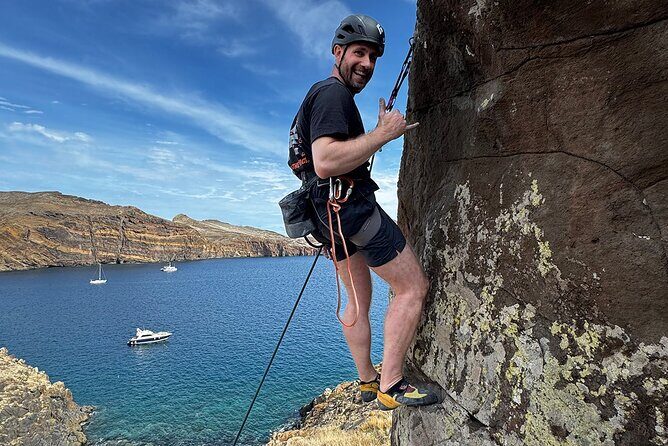
At about $96.11 per person for an about-4-hour beginner-focused climbing experience, the value comes from three things you cannot easily DIY:
- Safety instruction that is hands-on, especially belay training
- Gear provided, so you do not spend time or money renting or buying essentials
- A guide who adapts to skill, so the session fits your level instead of forcing you into a one-size route
If you have ever tried to organize a first climbing day on your own, you know the hidden costs: figuring out equipment, finding a proper place, and getting real rope coaching. Here, those basics are included, which is why the price feels reasonable for what you get.
Also, the group limit of 8 travelers matters for value. When the group is small, you typically get more coaching time per person, and you spend less time waiting.
Who this climbing session is best for (and who should rethink it)
This experience works best if:
- You are a beginner or you want structured help improving technique
- You want to learn belaying as part of the experience (not just climb while someone else handles the rope)
- You like small-group instruction and clear safety coaching
- You can handle moderate physical activity for a few hours outdoors
You should consider a different plan if:
- You struggle with basic mobility or balance for climbing-style movement
- You cannot comfortably participate in safety procedures and teamwork
- The weather is unreliable for your dates, because the activity requires good conditions
If you are traveling with friends who have different comfort levels, the adaptable approach is a plus—just make sure you are honest about what you can do.
Weather, timing, and the one practical risk to plan around
The activity requires good weather. If the experience gets canceled due to poor weather, you will be offered another date or a full refund. That is exactly what you want when you are booking an outdoor climbing session—no vague promises.
Your start time is 8:00 am, so if you are the type who hates early mornings, build in a buffer the night before. Have a simple breakfast plan and keep your day flexible after the session too.
The good news: the experience ends back at the meeting point, so you do not have to scramble for transportation during the busiest hours of the day.
Should you book Climbing Madeira at Ponta de São Lourenço?
I think you should book if you want real climbing progress with a guide who focuses on safety and teaches you the rope skills that make you a true partner on the wall. The combination of gear included, belay training, small group size, and snacks makes it an efficient way to learn without turning your trip into a logistics project.
I would hesitate only if you have low confidence in your moderate fitness level or you know you will be unhappy if the weather forces a change. Outdoors is outdoors.
If you fit the sweet spot—beginner or improving, ready to work in a small group, and comfortable with an early start—this is a smart, high-value way to experience Madeira beyond beaches and viewpoints.
FAQ
What is the location of the climbing stop?
The climbing stop is at Ponta de São Lourenço in Madeira, Portugal.
How long is the experience?
It is approximately 4 hours.
What time does the experience start?
The start time is 8:00 am.
How much does it cost?
The price is $96.11 per person.
Is the tour offered in English?
Yes, the experience is offered in English.
What is included in the price?
You get snacks (fresh fruit, healthy bars, and fresh water), all climbing gear, and instruction on how to belay (manage the rope for your climbing partner).
Is lunch included?
No, lunch is not included.
What group size should I expect?
The maximum group size is 8 travelers.
What happens if the weather is bad?
The experience requires good weather. If it is canceled due to poor weather, you will be offered a different date or a full refund.
What is the cancellation window?
You can cancel for a full refund up to 24 hours in advance of the experience start time.