REVIEW · MADEIRA
From Market to Plate: visit the market & culinary experience
Book on GetYourGuide →Operated by Madeira Exquisite Food on Foot Tours · Bookable on GetYourGuide
A market first, then a chef show—perfect match. This Market to Plate experience turns Madeira produce into dinner ideas you can actually use, with a market walk and a rooftop cooking show that feels relaxed and hands-on in the learning, not the chopping. I love the fruit tasting paired with real context, and I love how you get to ask questions to Chef Mauricio Fario and the team. The main watch-out: it’s mostly a show (no hands-on cooking), so if you expected to plate or cook everything yourself, manage those expectations.
You start at the Farmer’s Market in Funchal, then you’re whisked up to a rooftop view where the cooking happens at your level. Expect a small group of up to 6 people, English/French/Portuguese guidance, and a zero-waste style meal tied to Madeira flavors and a bit of fusion. If you’re buying this for the thrill of personally cooking espetada or fish, the value may feel different than you hoped.
In This Review
- Key things that make this tour work
- Entering Funchal’s Market and Getting the Flavor “Map” First
- The Fruit Tasting Lesson: How to Eat It and What to Do With It
- Five Minutes to the Lift: Rooftop Views and a Chef You Can Ask Questions
- Espada, Banana Guacamole, Ceviche, and the Espetada Factor
- Zero Waste Lunch: Why It Changes the Way You Think About Food
- Portuguese Wines at the Table: A Simple Pairing You’ll Remember
- Price and Logistics: Does $121 Hold Up for What You Get?
- Who Should Book This Tour (and Who Might Want a Different Style)
- Should You Book Madeira Exquisite Food on Foot Tours?
- FAQ
- How long is the Madeira market and culinary experience?
- Where do I meet the guide?
- What’s the group size?
- What languages are offered?
- Is there hands-on cooking?
- What should I know about refunds or minimum numbers?
Key things that make this tour work
- A market tour with origins and traditions, not just a quick glance at stalls
- Exotic fruit tasting, from less-familiar varieties to common ones you still learn how to use
- Rooftop show cooking with questions, including chef Mauricio Fario’s explanations
- Madeira classics re-mapped with global flavors, like banana guacamole with espada
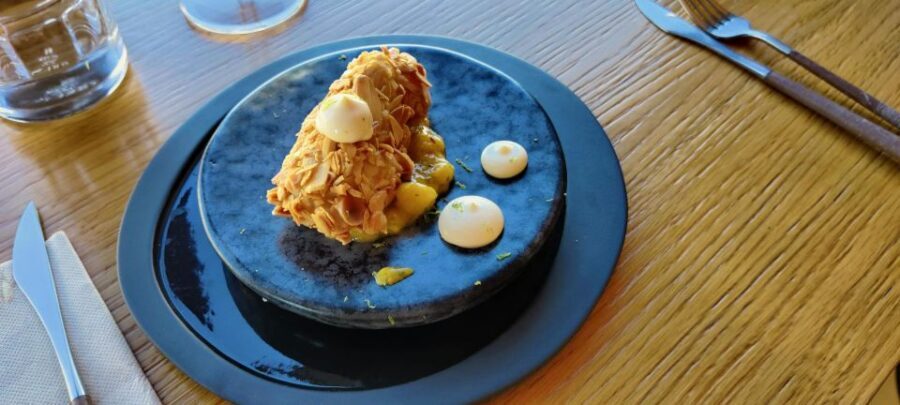
- A no-waste meal format, plus Portuguese wines to match the dishes
- Small group size (6 max) so the chef and guide can actually talk with you
Entering Funchal’s Market and Getting the Flavor “Map” First
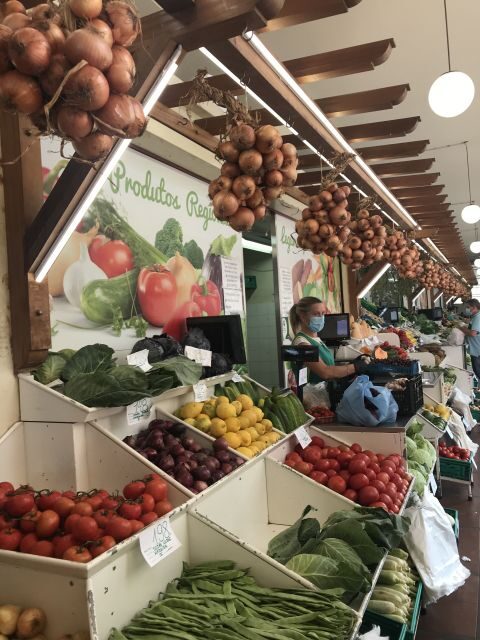
The best part of this tour is how it starts before any food hits your table. You meet at the main entrance of the Farmer’s Market in Funchal, right where the day’s ingredients are being chosen and moved around. That first step matters because it changes what you taste later: you’re no longer eating blind. You’re connecting the plate back to the stall.
Your guide leads you through the market with a focus on the origins and traditions behind what you’re sampling. You’ll learn about tropical fruits and exotic flowers, but the attention isn’t only on the sweet stuff. The market also brings unusual fish and seasonal vegetables into the story, which helps you understand why Madeira cooking leans so hard into seafood and local produce.
One practical note: the fruit tasting can be more or less “exotic” depending on what’s in season and what the market has that day. In a couple of experiences I’ve seen, people got surprised by flavors they hadn’t heard of. In others, you might also see familiar fruits showing up alongside the rarer picks. Either way, you’ll leave with ideas for how to use what you taste, not just a memory of a single bite.
Other shopping tours in Madeira
The Fruit Tasting Lesson: How to Eat It and What to Do With It
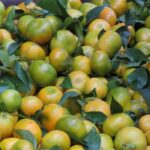
This is not just a parade of small samples. The tasting is paired with explanation, so you start noticing differences the way a local cook does. You’ll sample tropical fruits, and you’ll hear how tropical agriculture and island seasons shape what ends up in Funchal’s market.
What I like about this approach is that it trains your senses. You learn what to look for in ripeness, what sweetness feels like on Madeira produce, and how certain flavors work with savory ingredients. That matters because later on, you’ll see fruit show up in dishes that don’t feel like dessert.
Also, don’t ignore the guide’s side notes while you’re tasting. Small context—how fruit is grown, when it appears, and how it’s traditionally used—makes the lunch make sense. Without that, the food can feel like random fusion. With it, you start seeing the logic: sweet-meets-salt, tropical acid against seafood, and herbs that cool down spice.
Five Minutes to the Lift: Rooftop Views and a Chef You Can Ask Questions
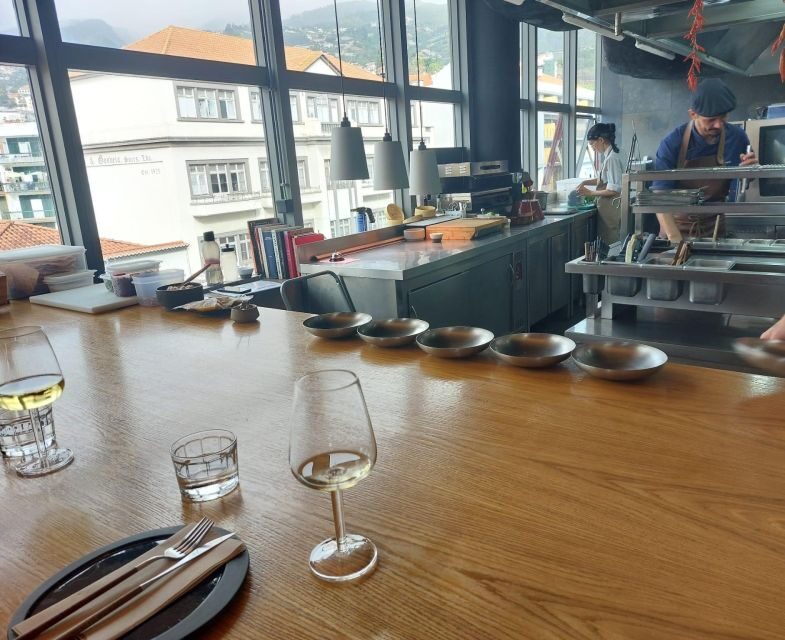
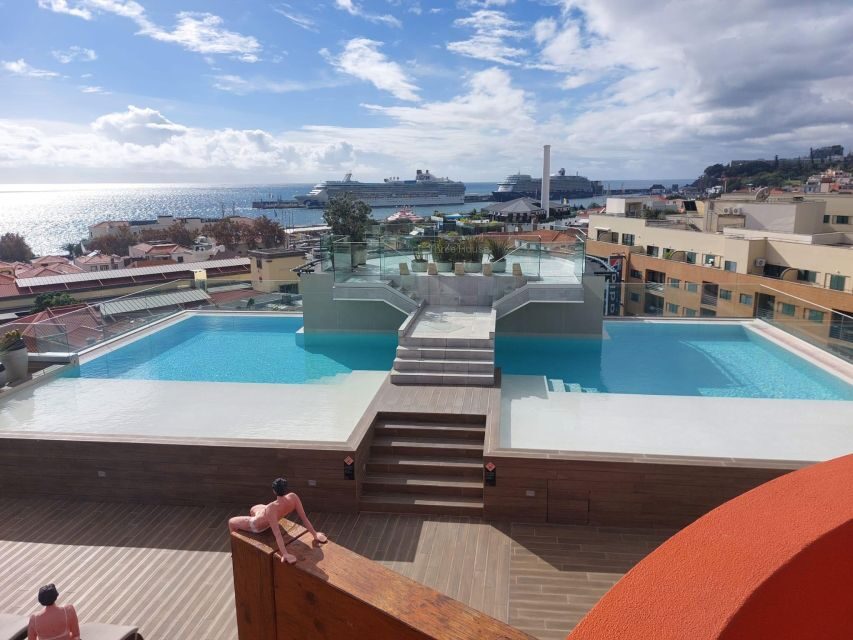
After the market, there’s a short walk—just about five minutes—then you take a lift up to the rooftop of a hotel. The viewpoint over Funchal is part of the experience, and it changes the mood instantly. You’re not stuck indoors waiting for a meal. You’re eating with the city spread out below, while the chefs work in front of you.
Here’s where the “show” format becomes a strength. The instructions say no hands-on approach, and that matches how it plays out: you watch the cooking process and learn through explanation. That can actually be better than it sounds. Watching a chef handle fish, sauces, and skewer work teaches technique without turning your experience into a rushed cooking class.
If you’re hoping to become the chef for the day, you might feel disappointed. You generally won’t be cooking. But if you’re there to learn how dishes are assembled—how textures and temperatures come together—you’ll get plenty to take home. The tone from the team tends to be young and relaxed, and the group stays small enough that questions don’t get lost.
In one version of the day with guide Ana, the whole flow felt personal—market explanations led naturally into the kitchen presentation, and you could tell the chefs enjoyed explaining what they were doing.
Espada, Banana Guacamole, Ceviche, and the Espetada Factor
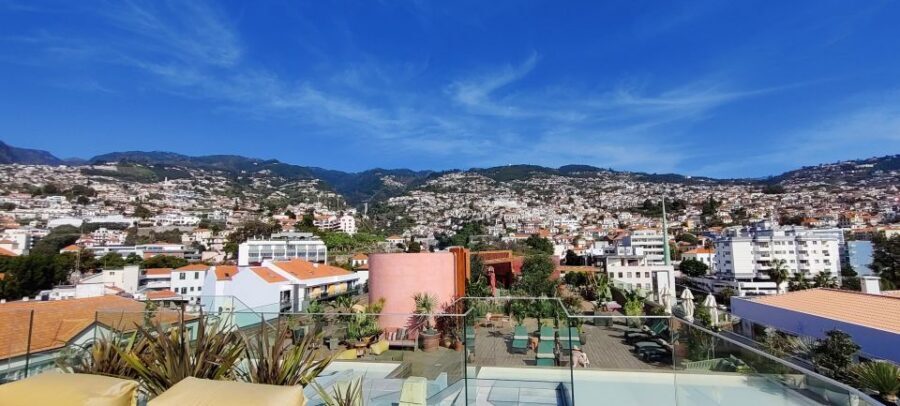
Once you’re up on the rooftop, the cooking show focuses on Madeira flavors connected to the wider world. The menu you can expect includes a few signature styles:
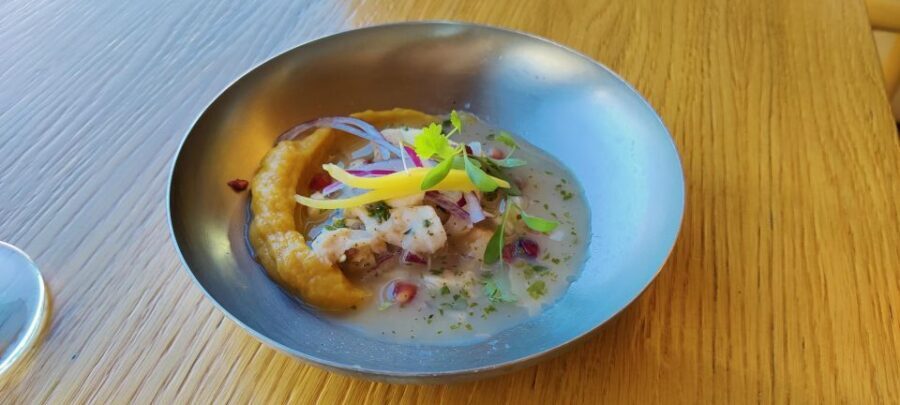
- A local fish ceviche, showing how Madeira’s seafood can be bright and citrus-forward.
- Espada fish with banana guacamole, where tropical fruit meets a sauce style you may associate more with other cuisines.
- Espetada, which is beef cooked on a skewer—very Madeira, and very different from what most visitors expect.
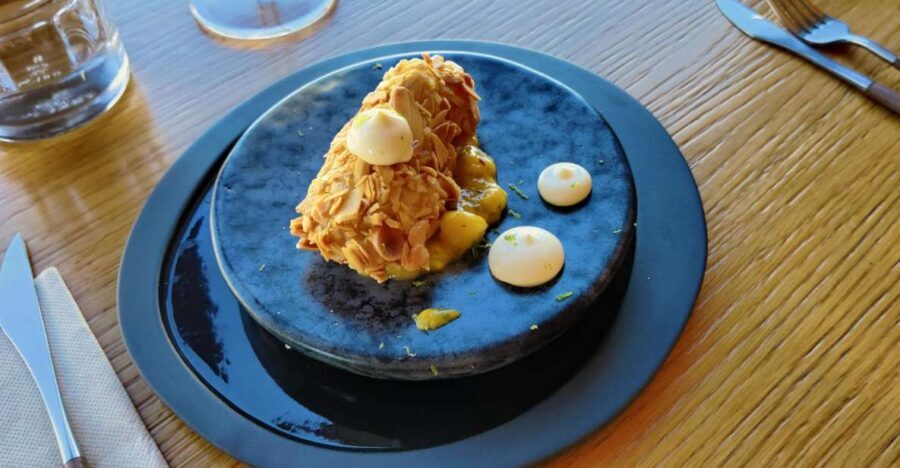
The best part is not the dish list. It’s how the chef demystifies the logic. You’re not just watching plating. You’re getting a running explanation of why certain combinations work. That’s what makes it worth doing even if you already know you like seafood or you already like Portuguese flavors.
And Chef Mauricio Fario’s part of the show is a highlight. His style tends to combine humor and passion, which keeps the lesson from becoming a lecture. It also makes technique feel approachable. You’re more likely to remember the steps because the chef makes it feel like a story, not a test.
One more practical reality check: the “hands-on” learning you get is more observational and conceptual than physical. You won’t come away with a new ability to cook espetada on your own grill—but you will come away with clearer mental steps you can adapt at home.
Zero Waste Lunch: Why It Changes the Way You Think About Food
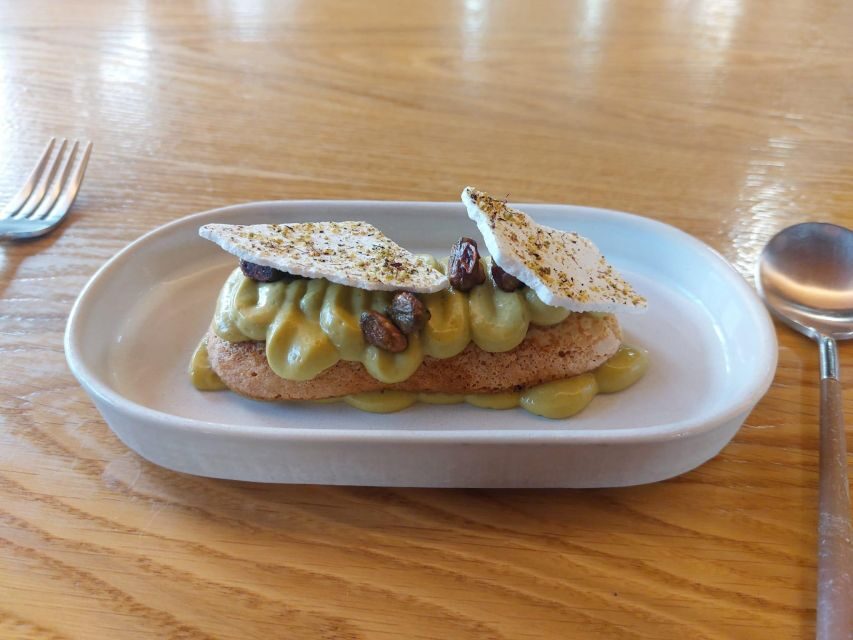
This experience is described as zero waste, and that shows up in the way the meal is handled. Even if you don’t see every backstage detail, the concept affects the cooking choices: ingredients are used with purpose, portions are planned, and there’s an emphasis on reducing leftovers and waste.
For you, that means two things. First, you’re eating with a mindset that’s closer to how island kitchens operate—use what you can, respect what’s available, and don’t treat food as disposable. Second, it makes the lunch feel less like a generic tourism meal and more like part of an actual food system.
It also pairs well with the market start. When you see how ingredients arrive and hear where they come from, you’re naturally more careful about tasting every part of the plate. You don’t just eat a menu item; you finish with an understanding of what each ingredient is doing.
A few more Madeira tours and experiences worth a look

Portuguese Wines at the Table: A Simple Pairing You’ll Remember
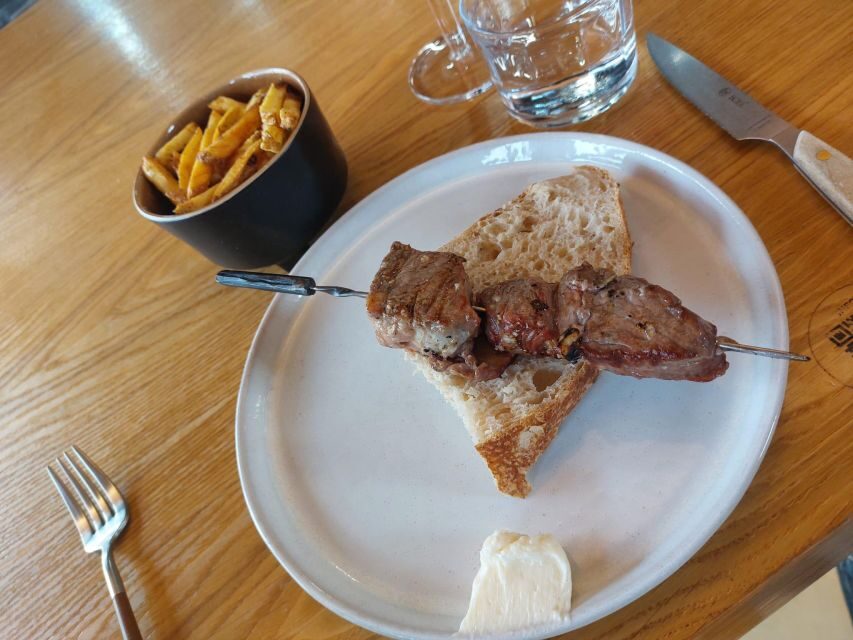
Lunch ends the tour, served at the rooftop table with Portuguese wines included. Wine here isn’t thrown in as a random add-on. It supports the flavor arc built earlier: seafood-forward dishes get bright pairings, and the richer elements of espetada-style cooking get something that can handle savory intensity.
What I like about having wine included is that it lowers the decision fatigue. You’re not hunting for something that might match. You’re tasting what the team thinks fits, and that makes the meal more educational.
And because the group is small, you can actually chat—about cooking, about Madeira ingredients, about what you noticed at the market. It feels social in a practical way, not a forced group activity.
Price and Logistics: Does $121 Hold Up for What You Get?
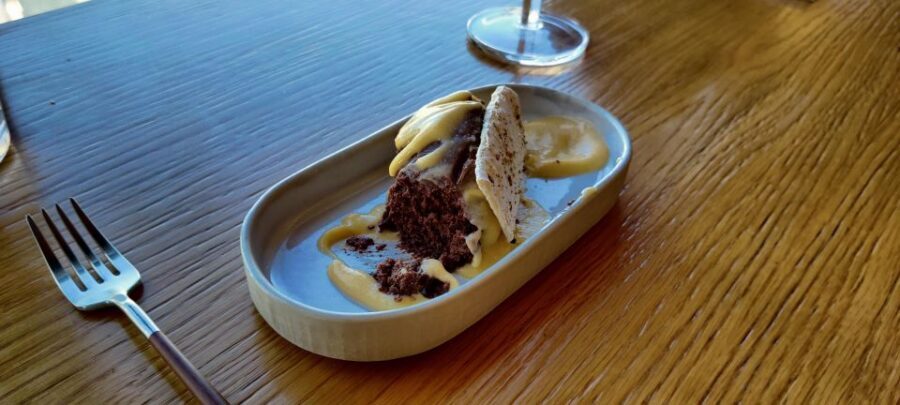
At $121 per person for about 4 hours, you’re paying for more than lunch. You’re paying for three bundled parts:
- A guided market visit with explanation and fruit tasting
- A rooftop cooking show with chef instruction and Q-and-A
- Lunch plus Portuguese wine
That can be excellent value if you like structured learning and you want a chef to translate Madeira ingredients into dishes you understand. The small group size (6 max) matters here: it keeps the experience from turning into a conveyor belt.
But here’s the drawback that affects value perception: if you expected hands-on cooking, you might feel you’re paying for watching. The format is explicitly a show, and the best outcome comes when you treat it like technique viewing plus tasting. When people want the physical experience of cooking, the day can feel pricier than it should.
My advice: read the format carefully before booking. If you want a chef’s explanations, fruit context, and a Madeira lunch with wine, this price makes sense.
Who Should Book This Tour (and Who Might Want a Different Style)
This is a great fit if you:
- Like learning from chefs and want explanations you can repeat at home
- Enjoy seafood and Madeira classics like espada and espetada
- Want a market-to-plate experience with a small group
- Prefer watching technique over jumping into cooking tasks
It may be less perfect if you:
- Came for hands-on cooking and expect to prepare dishes yourself
- Want only ultra-rare exotic fruit and worry the tasting might include more common tropical varieties
- Are short on time and need more market time than a quick guided visit provides
In other words: go if you want a culinary story told through food. Consider another class if your main goal is to cook for yourself step-by-step.
Should You Book Madeira Exquisite Food on Foot Tours?
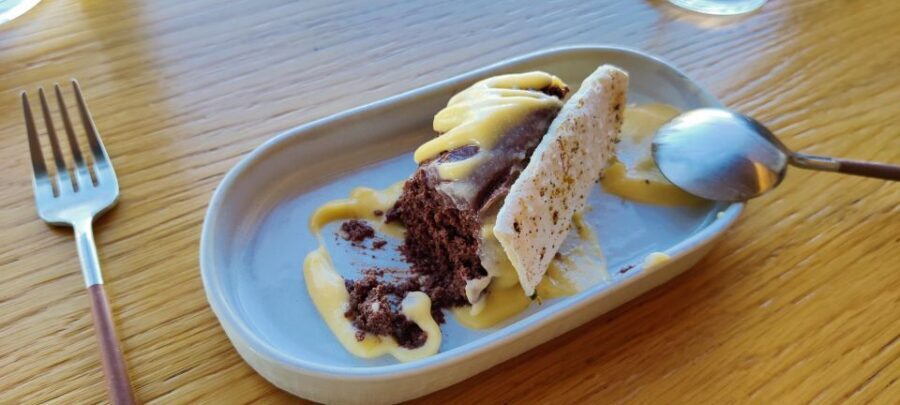
If your goal is to understand Madeira flavors in a way you can recreate, I’d say yes. The combination of market context, fruit tasting, and a rooftop chef show makes the lunch more than just a meal. It’s a learning format that stays friendly and small, with Portuguese wines to anchor the experience.
Book it with the right expectation: you’ll learn from watching and asking, not from cooking hands-on. If you’re happy with that trade-off, this is a strong way to spend a half day in Funchal—especially for food lovers who like seafood, tropical fruit, and the idea of Madeira ingredients meeting global techniques.
FAQ
How long is the Madeira market and culinary experience?
It lasts 4 hours.
Where do I meet the guide?
You meet at the main entrance at the Farmer’s Market in Funchal.
What’s the group size?
It’s a small group limited to 6 participants.
What languages are offered?
The live tour guide is available in English, French, and Portuguese.
Is there hands-on cooking?
Based on the tour format, it’s a no-hands-on approach and works more like a cooking show led by the chef.
What should I know about refunds or minimum numbers?
You can cancel up to 24 hours in advance for a full refund. A minimum of 4 people is required for the activity to happen, and if that minimum isn’t reached the provider will contact you for rescheduling or a refund.