REVIEW · MADEIRA
Madeira: Birdwatching – The Endemics
Book on GetYourGuide →Operated by Madeira Fauna & Flora · Bookable on GetYourGuide
Madeira birds move fast, and so does this tour. I like that it’s built around Important Bird Areas and real endemics, not generic sightseeing. I also like the small group format, limited to 8 people, which makes it easier to focus on the birds and not on crowd math.
The main consideration is simple: birding is weather-sensitive. If conditions aren’t great, you may get fewer sightings than you hoped, and the $64 price can feel more noticeable when the birds stay quiet.
Still, the experience has a lot going for it: you get a live guide (English or Portuguese), observation material included, and pick-up and drop-off within Funchal and Caniço. In feedback, guides like Alex or Alexandre earn praise for making the time feel organized and worth it.
In This Review
- Key takeaways on Madeira’s endemic bird tour
- Why Madeira’s endemic birds are worth the effort
- How the 4.5-hour format works from Funchal
- São Lourenço peninsula: a good place to search
- Laurel forest and the IBA advantage
- The birds you’ll be targeting (and how to think about sightings)
- Guide style: what you’re paying for beyond the bus ride
- Price and value: $64 for a 4.5-hour endemic mission
- What to bring and what rules to follow
- Who this tour suits best (and who should skip it)
- Weather reality check: plan to be flexible
- Should you book this endemic birdwatching tour?
- FAQ
- How long is the Madeira birdwatching tour?
- How big is the group?
- What languages are the guides?
- Where does pickup happen?
- What’s included in the tour?
- What should I bring for the tour?
- Is it suitable for young children?
Key takeaways on Madeira’s endemic bird tour
- Endemic targets: keep an eye out for the Madeiran Firecrest, Laurel pigeon (Trocaz), and Madeiran Chaffinch
- Real IBAs: São Lourenço peninsula and laurel forest areas help you aim at the right habitats
- Short and focused: 4.5 hours is long enough to search, short enough to stay flexible
- You get tools: observation material is included so you’re not scrambling for gear
- Small-group advantage: up to 8 participants helps you hear directions and keep eyes on the same spot
- Guide-led scanning: expect guided sitting and walking segments, so you’re not just wandering
Why Madeira’s endemic birds are worth the effort
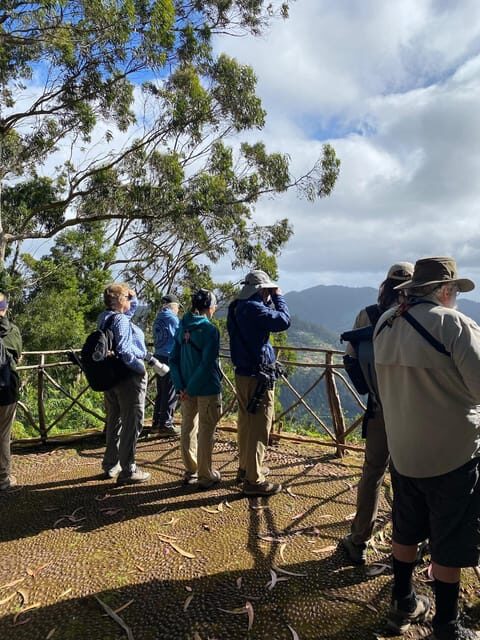
Madeira is one of those places where the birds feel like part of the island’s personality. You’re not just hoping to see something pretty—you’re trying to spot species that evolved here and are closely tied to Madeira’s habitats.
This tour focuses on birds that birders actually talk about: the Madeiran Firecrest, the Laurel pigeon (often called the Trocaz pigeon), and the Madeiran Chaffinch. Add in the chance of other endemics mentioned in the experience notes, like the Madeiran bluefinch, and you get a trip that feels goal-driven rather than random.
The practical benefit for you is that the guide isn’t simply telling stories. You’re moving between land sites that match what these birds need, then you pause in spots where they’re more likely to show up. That’s how you turn “birdwatching” into a more predictable hunt.
If you're still narrowing it down, here are other tours in Madeira we've reviewed.


How the 4.5-hour format works from Funchal
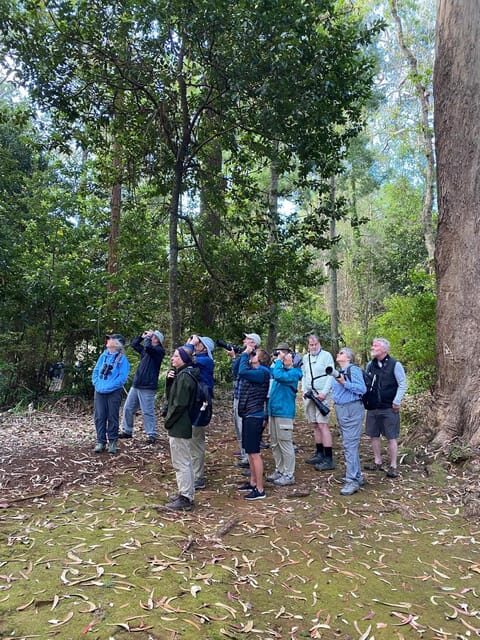
The whole outing runs about 4.5 hours. That’s a sweet spot for most people: you get time to cover multiple areas and habitats, but you’re not committing to an all-day excursion when weather can change fast on the island.
Pickup is in Funchal, and drop-off returns you there. If you’re staying in Funchal or Caniço, pick-up and drop-off are included. If you’re outside those areas, you’ll need to contact the provider to see if there’s an alternative option.
Small group matters here. With a maximum of 8 participants, you’re more likely to:
- hear the guide’s spotting tips
- line up at the right viewing spots
- avoid the classic problem of everyone looking in different directions
And you get observation material included. Translation: you can start watching immediately, rather than spending your Madeira time hunting for binoculars.
São Lourenço peninsula: a good place to search
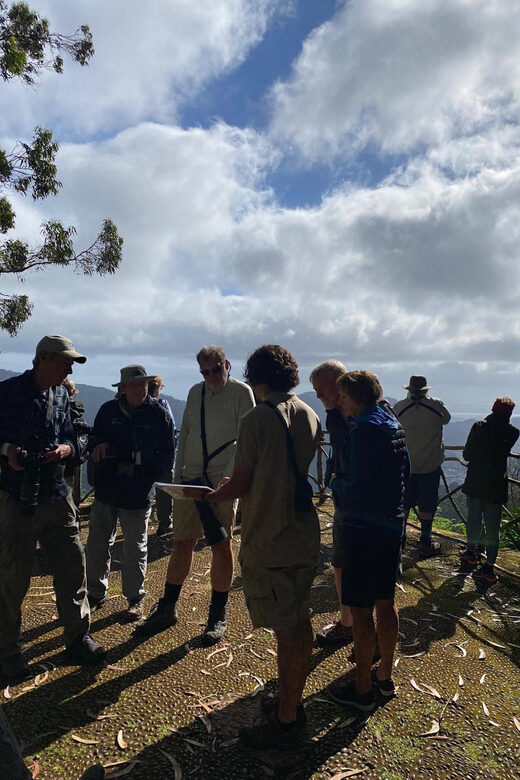
One of the highlighted areas is the São Lourenço peninsula, an IBA that fits many birding plans because it’s a distinct part of the island with its own mix of vegetation and terrain.
In practice, you should expect a setup that alternates between walking (to reach viewpoints or suitable microhabitats) and stopping. The tour is designed so you spend time either walking through bird-friendly areas or sitting and watching from a fixed observation point.
What I like about including São Lourenço in a short tour is how it helps you avoid the “one habitat only” problem. Endemic birds often key off specific conditions—light, shelter, food sources—so bouncing between habitats gives you better odds than repeating the same search pattern.
Potential drawback: if the day is rough—wind, low visibility, or rain—you might find it harder to detect the smaller, quick birds. That doesn’t mean the tour is bad; it means you’re trying to spot animals that don’t always cooperate.
Laurel forest and the IBA advantage
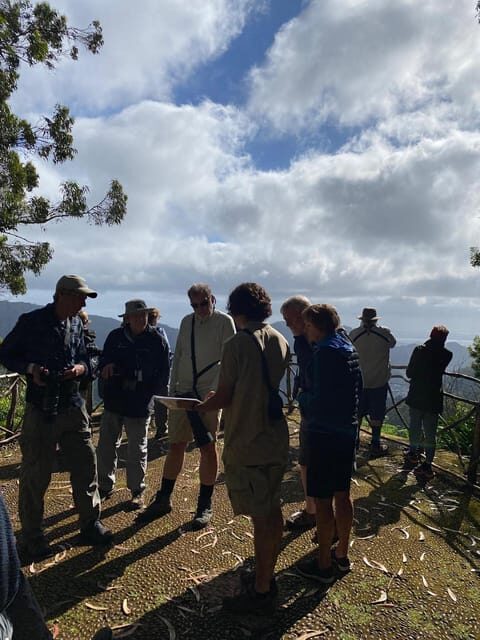
The other major habitat stop is the laurel forest area, another Important Bird Area tied closely to Madeira’s endemics.
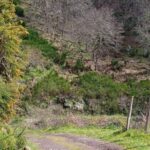
This is the kind of environment where patience pays off. Laurel forest sites tend to reward slow scanning—listening first, then checking likely perches and movement in the canopy. The tour’s structure of sitting put watching alongside guided direction fits this kind of habitat really well.
One of the key endemics associated with laurel forest is the Laurel pigeon (Trocaz pigeon). It’s famous and noted as elusive, so set your mind to the idea that you may not instantly see it. Even if you don’t get a clear view right away, hearing calls or spotting brief movement can still be part of the experience.
A second helpful point: the route may include walks along a levada-style path (Madeira’s classic water channels). One of the feedback notes specifically mentions a nice walk along a levada with lots of flowers, plus a strong tally of firecrests. You should treat that as a “you might get this kind of scenery” detail, but it’s a good reminder that Madeira birding often comes with the island’s distinctive water-land relationship.
The birds you’ll be targeting (and how to think about sightings)
Madeira endemic birdwatching is all about targeted expectation. Here’s how to frame it so you don’t leave disappointed.
- Madeiran Firecrest
This is often the star of the show in Madeira birding. The practical trick is that it’s small and active, so you’re usually scanning for movement, then confirming with quick visual checks.
- Laurel pigeon (Trocaz pigeon)
The name of the game is persistence. The guide can help you focus on likely conditions and better positions, but this is the kind of bird that may require time and calm.
- Madeiran Chaffinch
This is another endemic you’ll hear about in Madeira birdwatching, and it can be easier than some other targets if the day cooperates. Still, you should expect that sightings can be brief.
- Madeiran bluefinch (possible)
One of the feedback notes includes a sighting of a pair of Trocaz pigeons plus Madeiran bluefinch. That’s a reminder that the tour can go beyond just one headline species if conditions are right.
The balanced way to think about it: you’re not paying for a guaranteed checklist. You’re paying for a guided plan—right habitats, right pauses, right interpretation—so your odds improve compared to doing this solo with no local knowledge.



Guide style: what you’re paying for beyond the bus ride
The tour is led by a live guide in English or Portuguese. Two names show up in the experience feedback: Alex and Alexandre. In both cases, the tone is practical—high attention to both birds and the surrounding plants.
That matters because birding isn’t only about spotting. It’s about understanding what you’re seeing:
- why a bird might choose a perch here
- what the surrounding vegetation signals
- how movement and sound relate in the habitat
If you want a tour where you learn while you watch, the guide-led format is the core value.
Also, the tour includes observation material. That’s another small-but-real edge: it supports better viewing in the moment, and it reduces frustration when you can’t instantly line up your gear.
Price and value: $64 for a 4.5-hour endemic mission
At $64 per person for about 4.5 hours, you’re paying for three things: guided habitat coverage, small-group attention, and included viewing support.
When it feels like good value:
- You see multiple endemic species (or at least a strong mix).
- The guide helps you interpret what you’re seeing rather than just pointing.
- The small group keeps you focused and moving efficiently between stops.
When it may feel pricey:
- On a day with poor weather or low bird activity, sightings can drop.
- If you were expecting a guaranteed number of birds, birding can humble even the best plan.
A single low-rating comment in the provided feedback points to a feeling that the activity cost too much for what was seen and that explanations felt thin. That’s a fair reminder to check your expectations. If you’re the type who needs constant action, birding may not always deliver it.
But if you like the idea of searching the right habitats for endemics, the price fits the format.
What to bring and what rules to follow
Birdwatching tours live or die by comfort. Bring what helps you stay present.
Bring:
- Comfortable shoes
- Water
- Comfortable clothes
- Clothes that can get dirty
- Closed-toe shoes
These details aren’t just “nice to have.” The walking segments and sitting-waiting moments mean you’ll want stability on uneven ground and fabrics you don’t mind if you get a bit of dirt on them.
Not allowed:
- Alcohol and drugs
If you’re coming for serious wildlife focus, this rule makes sense. It also keeps the group calm and ready to watch.
Who this tour suits best (and who should skip it)
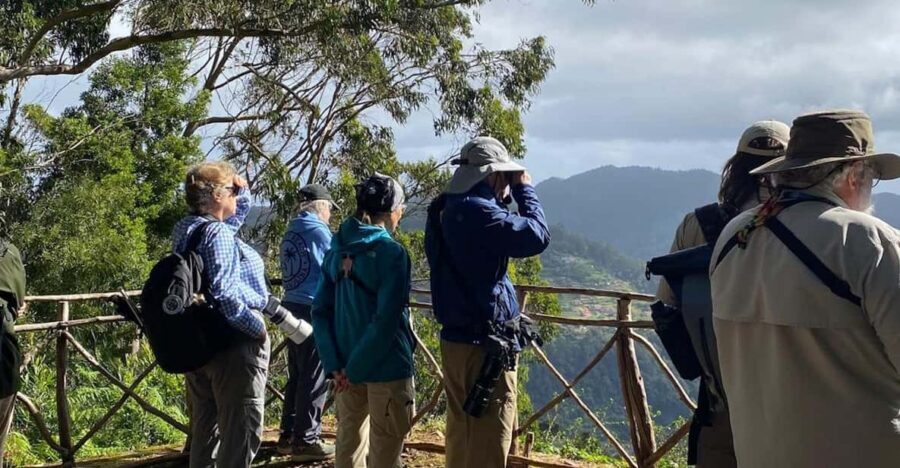
This experience is a great fit if you:
- want a focused birding route aimed at Madeira endemics
- appreciate small-group guiding
- are happy to spend time scanning, not sprinting from stop to stop
It’s also a good match if you don’t want to figure out logistics alone. Pickup and drop-off in Funchal and Caniço remove a lot of friction.
It’s not suitable for children under 5 years. For families with younger kids, this may be a long sit-and-scan style of outing.
If you’re expecting a full-day adventure with big panoramic breaks every 20 minutes, you might find the 4.5-hour bird-first structure either perfect or too focused. For pure bird lovers, it’s usually ideal.
Weather reality check: plan to be flexible
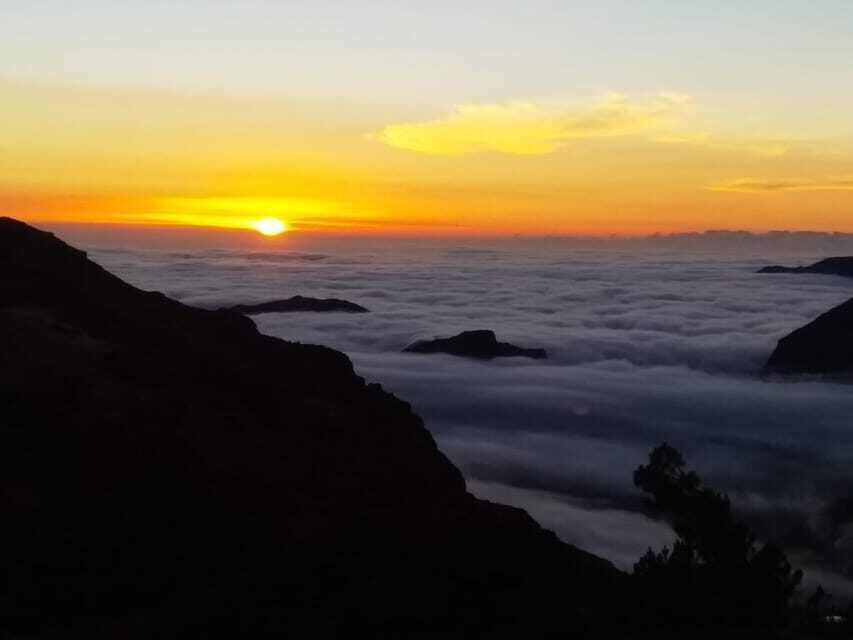
One note from the feedback: the weather wasn’t the best, yet the guide was still praised for doing a great job. That’s the reality on Madeira. Cloud, wind, or damp air can affect visibility and bird movement.
So here’s the practical mindset I’d recommend: treat the tour as a guided search. Even when the birds are quiet, you can still learn a lot about the habitat and how the guide is reading signs in real time.
Bring the right clothes, accept that wildlife timing is unpredictable, and you’ll get more out of the experience.
Should you book this endemic birdwatching tour?
I’d book it if your Madeira trip includes birding as a priority, especially if you want a guide-led shot at species like the Madeiran Firecrest, Trocaz pigeon, and Madeiran Chaffinch. The small group size and included observation material make it feel practical, not just promotional.
I’d think twice if you’re chasing a guaranteed pile of sightings. Birdwatching can be thin on certain days, and one piece of feedback already reflects that mismatch between expectations and outcomes.
If you want a targeted, habitat-based way to meet Madeira’s endemics—without doing the planning yourself—this tour is the kind of experience that can turn your afternoon into real bird memories.
FAQ
How long is the Madeira birdwatching tour?
It lasts 4.5 hours.
How big is the group?
The group is limited to 8 participants.
What languages are the guides?
The live tour guide speaks English and Portuguese.
Where does pickup happen?
Pickup is available in Funchal, and pick-up and drop-off are included within the Funchal and Caniço areas.
What’s included in the tour?
You’ll visit several sites for walking and sitting to watch birds, observation material is included, and pick up and drop offs are provided (within the stated areas).
What should I bring for the tour?
Bring comfortable shoes, water, comfortable clothes, clothes that can get dirty, and closed-toe shoes.
Is it suitable for young children?
No. It is not suitable for children under 5 years.