REVIEW · MADEIRA
Madeira Lakes – Levada do Alecrim
Book on Viator →Operated by Madeira Happy Tours · Bookable on Viator
Waterfalls and levadas, in one day. This Madeira Lakes hike follows the Levada do Alecrim through a UNESCO Natural World Heritage Site, with guided time in the valley around Vento Lake and Lagoa do Vento. I especially like the small-group pace and the chance to spot local forest life along the way. The one thing to weigh is that parts of the walk are uneven and can include scrambling plus lots of stairs, so you’ll want good shoes and steady legs.
You start in central Funchal (pickup is offered) and return to the same meeting point after roughly 6 to 7 hours. You’ll get live commentary and insurance included, and the admission for the walking area is free, but you should plan for no bottled water or lunch provided.
In This Review
- Key Points Worth Knowing
- Entering the Alecrim Levada: Why This Hike Works
- Meeting in Funchal at 8:30: Timing and Logistics That Matter
- Stop 1: Lagoa do Vento and the Rock Pools That Feed the Drama
- Stop 2: Levada do Alecrim Through Paúl da Serra’s Valley
- Wildlife, Forest, and the UNESCO Factor
- Pace, Footing, and How to Match Your Day
- Guides and Live Commentary: Getting More From the Trail
- Price and Value: Is It Worth $52.09?
- Should You Book Madeira Lakes: Levada do Alecrim?
- FAQ
- How long is the Madeira Lakes Levada do Alecrim hike?
- Where does the tour start in Funchal?
- Is pickup from central Funchal included?
- What are the main hike stops?
- Is there an admission ticket cost for the hike?
- What is included in the price?
- What should I bring since water and lunch aren’t included?
- What fitness level do I need?
- What happens if weather is bad?
Key Points Worth Knowing
- Small group (max 15 people) means the guide can keep an eye on footing and answer questions
- UNESCO Natural World Heritage Site gives the hike real standing beyond scenery
- Lagoa do Vento + Vento Lake is where rock pools, cascades, and waterfalls come together
- Levada do Alecrim terrain variety runs from easier levada paths to harder mountain tracks
- Free admission, mobile ticket helps you keep costs predictable for the day
Entering the Alecrim Levada: Why This Hike Works
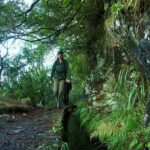
This hike is built around Madeira’s levadas, the man-made water channels that move water around the island. That detail matters because it changes how you experience the day: instead of only hiking toward views, you also travel through an engineered landscape that shapes the route. You’ll walk alongside level stretches that feel calmer, then shift into slopes and rougher ground as you move up the valley.
The second reason I like this tour is the structure. You don’t just do one point-to-point trail. You start at Lagoa do Vento, then spend hours on the Levada do Alecrim section through the valley. That gives you a longer story arc, with the walking terrain changing along the way rather than staying repetitive.
And the small-group size (up to 15) is not a small detail here. On a route with unmarked roots and steep bits, a guide paying attention to the group makes the difference between confident hiking and constant hesitation.
Other levada walks and hikes we've reviewed in Madeira

Meeting in Funchal at 8:30: Timing and Logistics That Matter
The day starts at 8:30 am from the Monumental Experience meeting point on Estrada Monumental 284 in São Martinho, Funchal. The tour offers pickup from central Funchal meeting points, but either way, you should plan to be ready early so the group can move smoothly.
A few practical notes that help your day go better:
- Expect 6 to 7 hours total, including walking time and transitions between viewpoints.
- Admission is ticket-free for this experience, but you’ll still use a mobile ticket.
- Since bottled water and lunch aren’t included, bring what you need (or buy on your own beforehand).
You also want to be honest with your fitness. The tour calls for moderate physical fitness, and the route includes gradients and rough ground, so this is not a flat stroll kind of outing. On top of that, the tour includes live commentary, which is a plus if you like learning as you walk rather than just moving from one photo spot to the next.
Stop 1: Lagoa do Vento and the Rock Pools That Feed the Drama
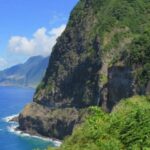
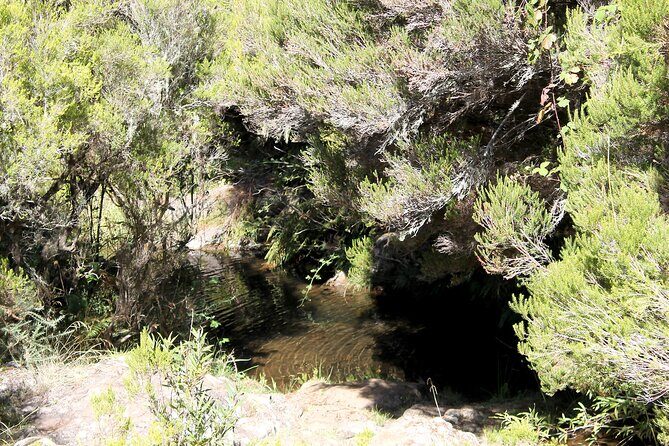
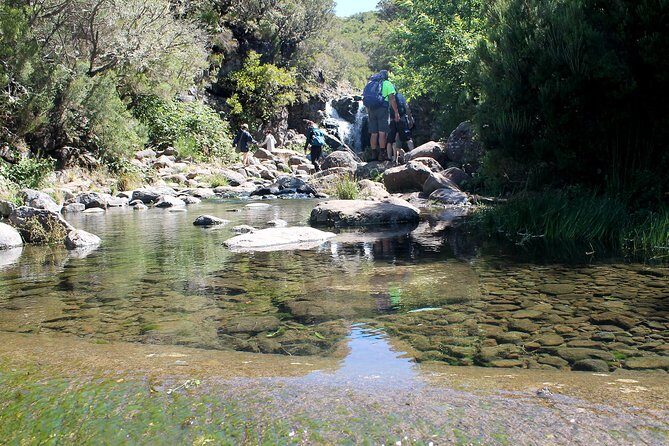
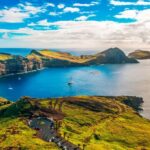
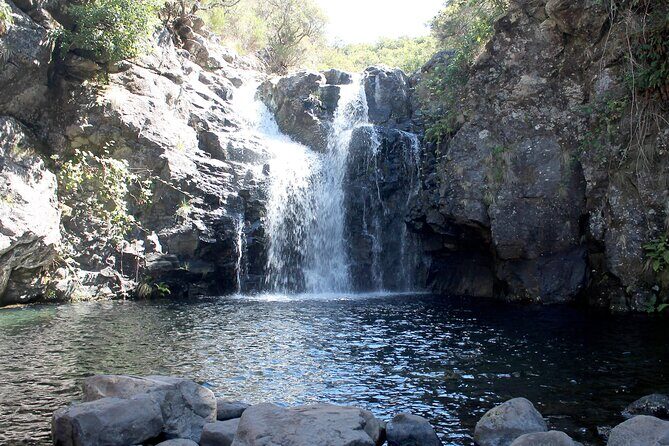
Your first highlight is Lagoa do Vento, located deep in the valley of the western plateau. This is where you see how water has been shaping the area for a very long time: you’ll marvel at rock pools carved out over millions of years as water rushes toward the sea, forming waterfalls and cascades.
What I’d expect from this stop is not a quick photo pit. It’s more like a slow introduction to the area’s rhythm—water, rock, and the beginnings of the levada story. Lagoa do Vento is also a great warm-up for what comes next, because you’ll experience a mix of walking surfaces. The route transitions from flatter levada stretches to gradients of mountain tracks as you make your way up the valley.
One caution: there can be unmarked roots and forest-traction sections here. If you’re used to paved paths, this stop is your first reminder that you’re hiking in a real landscape. I’d treat footwear as non-negotiable.
Stop 2: Levada do Alecrim Through Paúl da Serra’s Valley
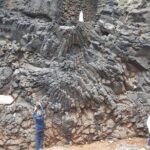
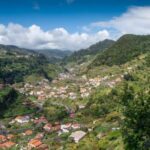
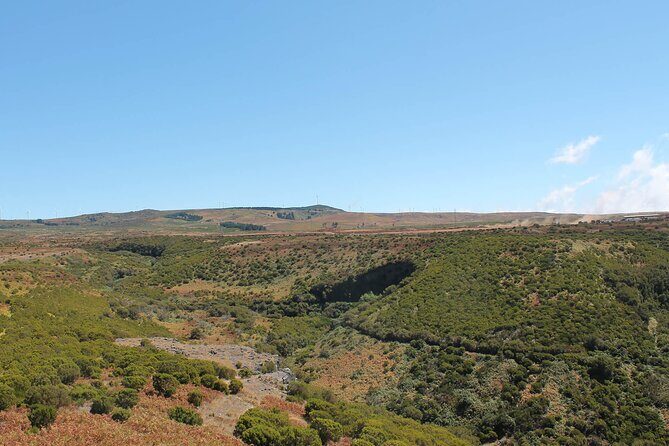
The main event is the Levada do Alecrim portion, which runs for about 4 hours. You’ll be in the depths of the valley of the Paúl da Serra plateau area, where you can admire lagoons and rock formations excavated by thousands of years of water movement. The same process that carved the pools earlier also contributes to waterfalls and magnificent cascades seen along the walk.
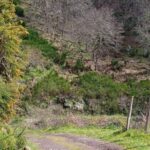
This part of the hike is where the day shifts from scenic to more demanding. The terrain changes repeatedly, from levada plains to shifting mountain areas. At times, paths can be almost obliterated by the forest. That doesn’t mean it’s unsafe—it means you should expect a more natural, less manicured trail feel.
And then there’s the historical-feeling detail that hikers usually remember: you reach the oldest levada on the west side of the island. I like stops like that because they anchor the hike in a specific place and purpose, not just a route drawn on a map.
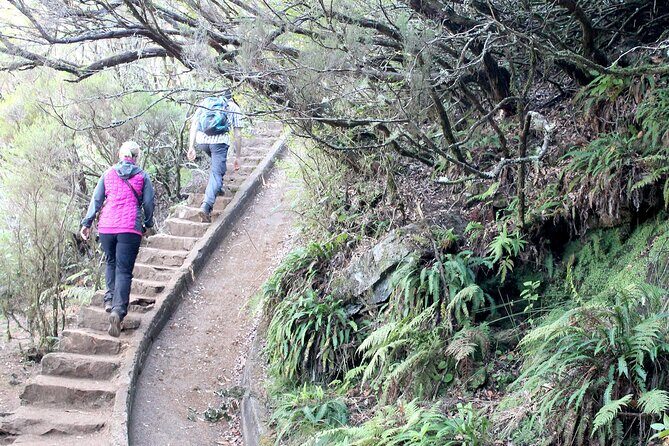
The trail also seems to include steps and lots of elevation changes. One piece of feedback I saw called out that the hike has many stairs, with much of it going downhill. That lines up with what the terrain descriptions suggest. Either way, if your knees are sensitive, go slow on the descents and use trekking poles if you normally do.
Wildlife, Forest, and the UNESCO Factor
One of the smartest parts of this tour is that it’s not sold as only a view hunt. You’re walking through a UNESCO Natural World Heritage Site, and the route is described as a place to keep an eye out for local flora and fauna.
That matters for your mindset. If you treat the trail like a treadmill for distance, you might miss why the guide’s commentary is included. If you slow down at key moments—especially around the forest edges and near water features—you’ll start to notice small plants, mossy textures, and signs of animals that are easy to ignore when you’re focused only on the next bend.
This kind of walking also fits well with Madeira’s overall feel: the island often rewards attention rather than speed. So I’d recommend you plan to stop briefly even if the group keeps moving. Just do it safely and without turning every minute into a detour.


Pace, Footing, and How to Match Your Day
This tour isn’t framed as a gentle walk. It’s more like a guided hike with changing surfaces. You’ll go from levada flatness to mountain gradients, and you’ll encounter unmarked roots in forest trekking sections. There’s also scrambling mentioned on the path toward the oldest levada in the west.
Here’s how I’d translate that into real-life choices for you:
- Move slower than you think you need to, especially early.
- Take care on uneven ground; small missteps happen fast on forest-root sections.
- If stairs are tough for you, brace your legs mentally for plenty of step work.
I also saw feedback that a late pickup can compress the timing and lead to a fast first half, which can feel like you’re working harder than expected before you’ve warmed up. That’s not guaranteed, but it’s a good reminder to arrive on time, even if you think you have wiggle room. If the group gets underway late, the guide may keep things moving to catch the schedule.
The practical goal is simple: pick a steady pace, don’t sprint the easy bits, and save your energy for when the trail gets rougher.
Guides and Live Commentary: Getting More From the Trail
You get live commentary as part of the tour. That matters because it turns the hike into a guided walk through how water and terrain connect. On levada routes, what you see is linked to how the island manages water, and that’s exactly the kind of explanation you want when you’re looking at channels and cascades.
I also picked up a strong signal about guide quality from feedback: Emilke was specifically praised as superb. Even if your guide is someone else, the small group structure (max 15 people) suggests you should expect real attention rather than a lecture treadmill.
If you like asking questions—about the terrain, the water, or what you’re seeing—this is the kind of tour where your questions can actually land.
Price and Value: Is It Worth $52.09?
At $52.09 per person, this tour is positioned as a low-to-mid cost day that stays focused on guided hiking rather than adding lots of extras. Here’s why it can be good value for the right person:
- Pickup/transfer options are included (round-trip from central Funchal meeting points, with the day ending back at the meeting point).
- Insurance is included.
- Live commentary is included.
- Admission for the walk is ticket-free.
- It’s a full half-day to full day outdoors (about 6 to 7 hours).
The costs you should watch are the things not provided: no bottled water and no lunch. That means your true day cost depends on what you bring or buy before the hike. If you show up planning to purchase everything during the tour, you may end up spending more than you expected.
Still, compared with tours that tack on separate entry fees, vehicle time add-ons, or long packaged meals, this is a pretty clean deal: you pay for guiding, insurance, and the walking experience.
Should You Book Madeira Lakes: Levada do Alecrim?
I’d book it if you want a guided levada hike in Madeira’s forested valleys, and you’re comfortable with changing terrain. This is best for people who enjoy nature details and don’t mind that the trail can be step-heavy and uneven. It’s also a smart pick if you want a UNESCO Natural World Heritage Site hiking day without handling a lot of complicated planning.
Skip it—or choose another style of tour—if stairs, scrambling, or rough footing would ruin your day. And if you know you’re prone to stress about timing, plan carefully around the 8:30 am start and be ready to contact the operator quickly if pickup arrangements seem off.
One more reality check: there have been reports of missed pickup situations. That’s rare in a well-run tour, but it’s still worth taking seriously. If you book, show up early, double-check your pickup details, and keep your phone charged so you can reach the operator.
FAQ
How long is the Madeira Lakes Levada do Alecrim hike?
The tour runs about 6 to 7 hours total.
Where does the tour start in Funchal?
The meeting point is Monumental Experience, Estrada Monumental 284, São Martinho, 9000-096 Funchal. Start time is 8:30 am.
Is pickup from central Funchal included?
Pickup is offered, with round-trip transfers from central Funchal meeting points. The activity ends back at the meeting point.
What are the main hike stops?
You’ll visit Lagoa do Vento (about 30 minutes) and then walk Levada do Alecrim (about 4 hours).
Is there an admission ticket cost for the hike?
Admission ticket is free for the walking sites listed in the itinerary.
What is included in the price?
Live commentary and insurance are included.
What should I bring since water and lunch aren’t included?
Bottled water and lunch are not included, so plan to bring your own or arrange food and water separately.
What fitness level do I need?
The tour is for people with a moderate physical fitness level.
What happens if weather is bad?
This experience requires good weather. If it’s canceled due to poor weather, you’ll be offered a different date or a full refund.