REVIEW · MADEIRA
Madeira: Whale Watching Excursion in a Traditional Vessel
Book on GetYourGuide →Operated by Lobosonda - Madeira whale watching · Bookable on GetYourGuide
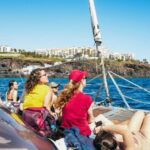
Whales of Madeira, right from a wooden boat. This 2.5-hour trip heads into protected marine areas around the island, using the restored traditional vessel the locals still care about, the Ribeira Brava. I like that the focus stays on wildlife spotting, not a long, rushed production.
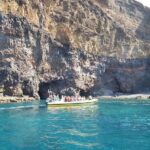
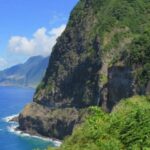
You’ll also enjoy the sea-level views as the coastline slips past on a boat that feels like part of Madeira’s working past. The guides bring a calm, respectful approach, and that makes the experience feel more like watching someone’s home than interrupting it.
One consideration: whale and dolphin sightings are never guaranteed on any ocean trip. The tour reports an 85.6% success rate for spotting marine mammals, and weather can also cut the ride short if conditions get rough.
In This Review
- Key Things to Know Before You Go
- Meeting in the Marina: where to find the launch without stress
- Your Boat, Ribeira Brava: why the traditional vessel changes the feel
- Sailing into protected marine areas: what the guides look for
- Wildlife spotting from the right angles: dolphins, whales, and the bonus species
- The 2.5-hour flow: how the time usually feels on the water
- What makes the experience feel respectful (and why you should care)
- Price and value: is $53 worth 2.5 hours on the water?
- Language and group experience: English or German, live guidance
- Best fit: who should book Lobosonda’s Madeira whale watching trip
- Quick tips to improve your odds (without overthinking it)
- Should you book this whale-watching excursion?
- FAQ
- How long is the whale watching excursion?
- What is the meeting point in Madeira?
- How much does it cost per person?
- What languages are the guides?
- What are my cancellation options?
- What chance do I have of seeing marine mammals?
Key Things to Know Before You Go
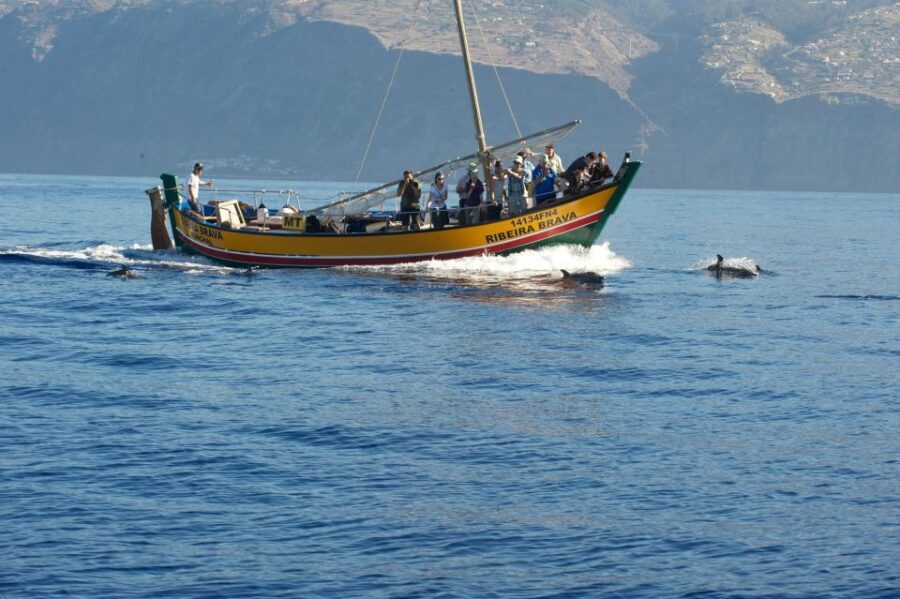
- Traditional wooden boat, Ribeira Brava: restored “to the smallest detail” and said to be the only vessel of its kind in Madeira today
- Expert local guidance: guides such as Ana, Camilla, Carlos, and Paula bring wildlife info and environmental awareness
- Protected marine waters around Madeira: you’re hunting for animals in the habitats they actually use
- Respectful animal approach: keep distance and help reduce stress, with no harm to wildlife
- Real odds, not promises: 85.6% reported success for spotting marine mammal species
- Good chance of dolphins up close: multiple accounts describe dolphins swimming near the boat
Meeting in the Marina: where to find the launch without stress
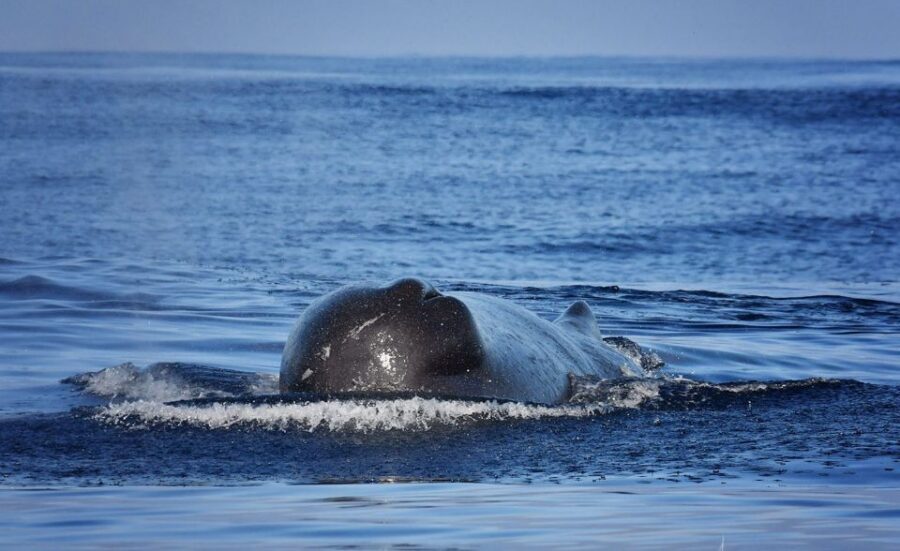
You’ll meet in the marina, between the restaurants Aki Kalheta and Leme Marisqueira. That’s helpful because it’s a specific landmark setup, not a vague “near the harbor” situation.
Aim to arrive a little early so you can get your bearings before boarding. Even on a short 2.5-hour outing, the smooth start matters—especially when you’re eager to spot the first signs of wildlife.
Other whale and dolphin watching tours we've reviewed in Madeira
Your Boat, Ribeira Brava: why the traditional vessel changes the feel
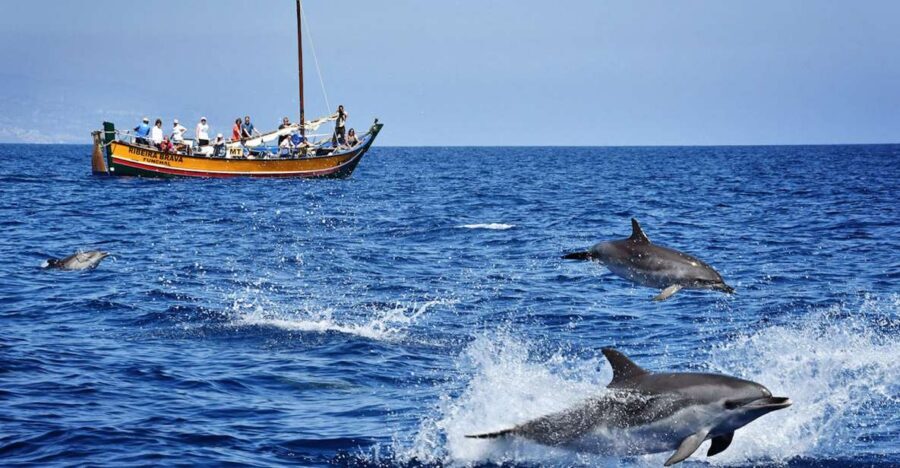
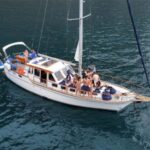
This trip runs on the Ribeira Brava, a traditional wooden fishing boat restored carefully, down to the smallest detail. It’s described as the only boat of its kind still operating in Madeira, and that identity shows in the vibe: it feels local, not generic.
Why I think this matters for you: on whale and dolphin trips, the “hardware” affects how you experience the sea. A traditional deck and working-boat shape can make it easier to move around, look different directions, and settle in for long scans of the horizon—without feeling stuck in one spot.
Also, a smaller, distinctive boat tends to encourage a quieter kind of attention. You’re not just sitting there; you’re watching, tracking, and learning what the guides want you to notice.
Sailing into protected marine areas: what the guides look for
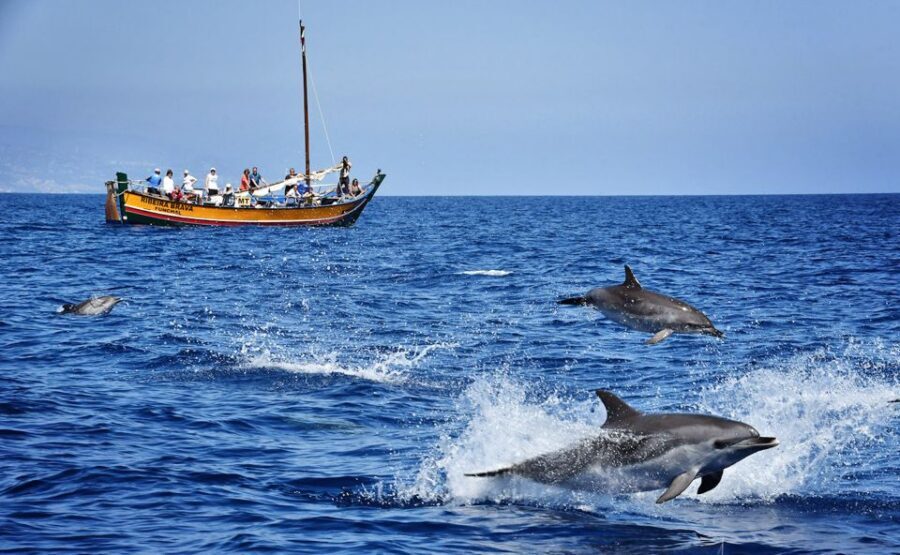
The core of the excursion is time on the water around Madeira’s protected marine areas. You’re not limited to one animal either. Expect the guides to scan for monk seals, different bird species, dolphins, and whale species in their natural habitat.
Here’s what that translates to in real-world terms: wildlife spotting becomes a pattern, not a lottery. When the guide knows where to look and what “normal movement” looks like, you’re more likely to catch early tells—surface activity, feeding cues, or the way birds cluster when something’s going on.
The guide team is a big part of the value here. You’ll hear English or German (live guidance), and the tone is consistently described as friendly, approachable, and passionate about marine life and environmental issues. In one account, Paula is noted as a marine biologist, which adds weight to the explanations you’ll get while you’re out there.
Wildlife spotting from the right angles: dolphins, whales, and the bonus species
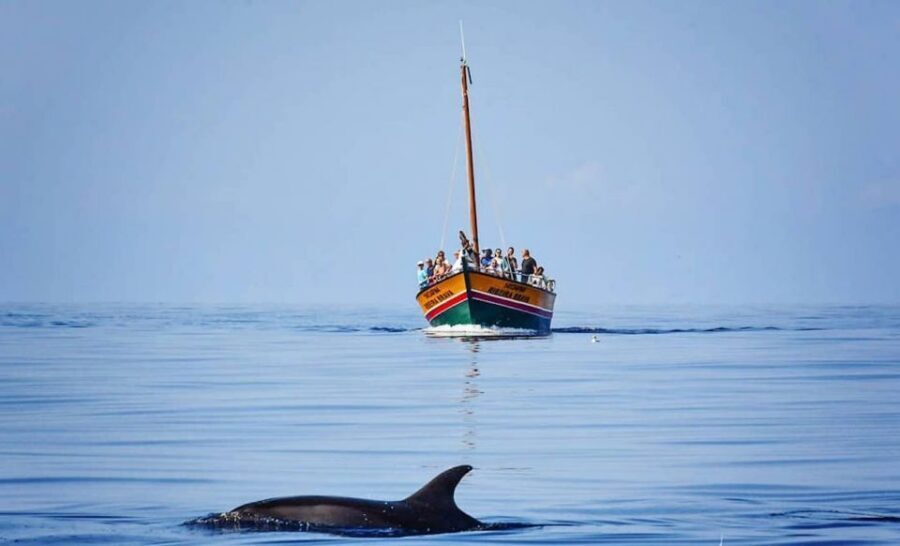
Let’s talk odds and variety, because Madeira ocean wildlife isn’t just one headline.
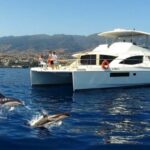
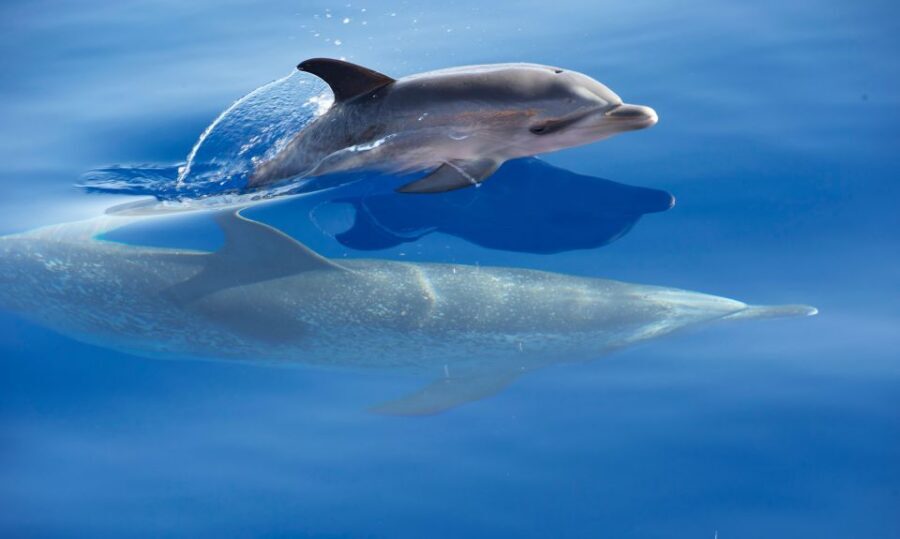
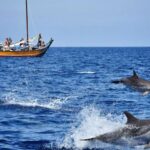
Dolphins are the most commonly reported success. Several people describe seeing multiple dolphin species, and some mention dolphins approaching close enough to feel genuinely personal—but still with a respectful distance. That’s a key point: close viewing is great, but the best trips manage it without crowding the animals.
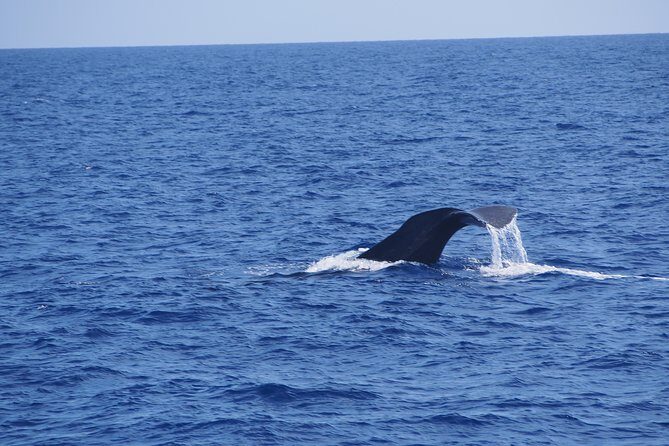
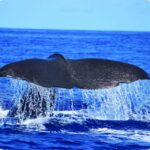
Whales can show up as breaches or clear surface moments, but you should also prepare for the other scenario: animals stay under the surface longer than you’d like. One account notes that whales didn’t surface, yet the trip still felt fun because there was enough marine action to keep attention high.
Birds and monk seals are also part of the search. Even if you don’t spot monk seals, the fact that the guides are scanning for them signals that you’re watching a wider ecosystem, not only chasing whales.
The 2.5-hour flow: how the time usually feels on the water
This is a shorter outing—2.5 hours—so it’s built for concentrated viewing. Typically, you’ll spend the early part getting out to the better hunting zones, then the middle portion is active scanning, and the final stretch is about soaking in what you’ve found before heading back.
What makes the timing feel efficient is that the boat trip isn’t just movement. It’s paired with interpretation. Guides keep you oriented while you look for cues, and they share island context along the way, so the coastline isn’t just background.
One more reality check: the sea can affect the schedule. There’s at least one report where the trip was shortened due to high waves. So if you’re prone to seasickness, take it seriously and plan for weather.
Other sailing and boat trips we've reviewed in Madeira


What makes the experience feel respectful (and why you should care)
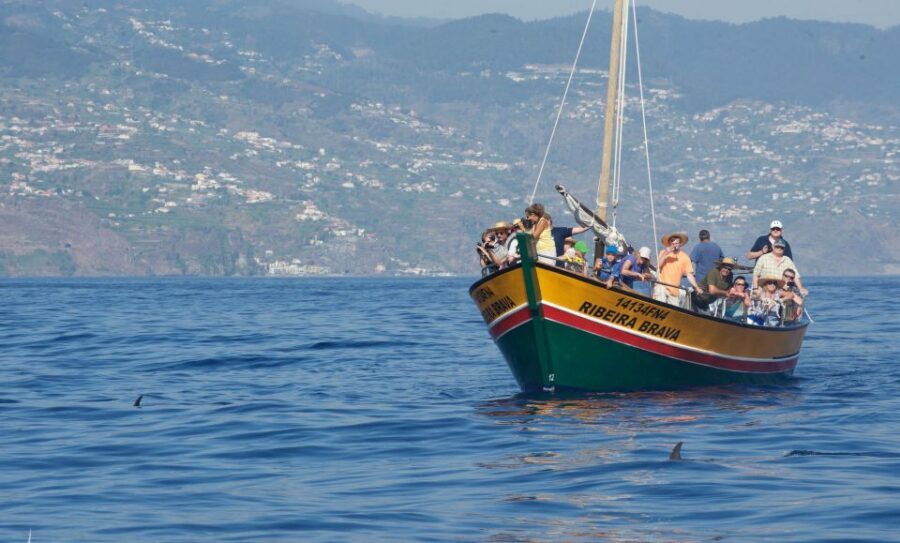
On whale and dolphin trips, the line between wildlife viewing and wildlife pressure is thin. This one earns strong notes for being respectful about animal behavior.
Accounts highlight that the crew keeps distance and makes sure animals don’t get too stressed. You’ll feel the difference when the approach is patient and controlled, rather than chaotic and noisy. That matters for the animals, of course—but it also matters for your experience. When the wildlife stays calm, it’s more likely to behave naturally, including surfacing and interacting with the environment in visible ways.
If animal welfare is a top priority for you, this is a strong match. Multiple guide descriptions mention passion for the sea and environmental issues, which usually shows up in how they talk about the animals and how they manage the boat around them.
Price and value: is $53 worth 2.5 hours on the water?
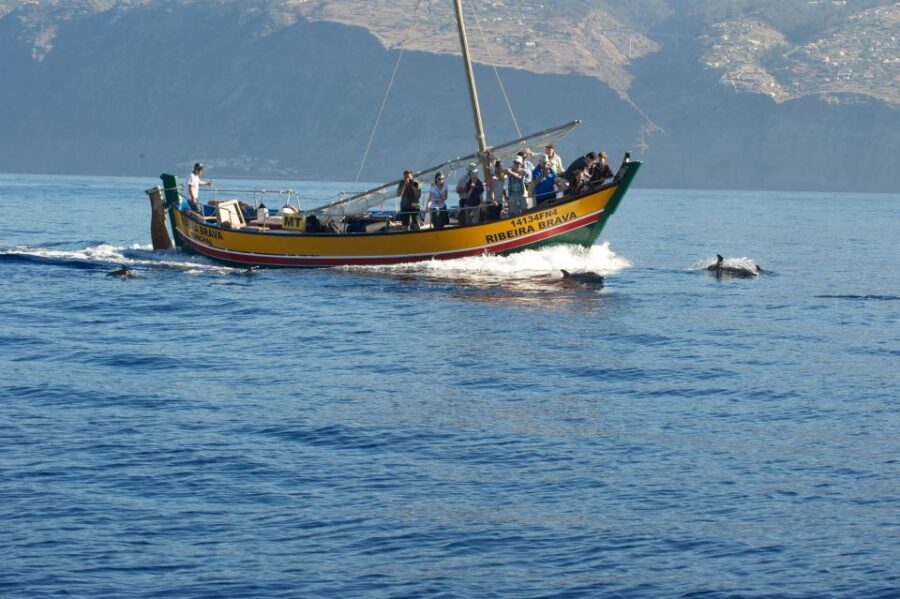
At $53 per person, you’re paying for two things: the boat time and the guidance. For a sea excursion, that price sits in the “not cheap, but not outrageous” zone—and the better question is whether you’re getting expertise plus a meaningful chance of sightings.
The tour’s stated 85.6% success rate for spotting marine mammal species helps here. It’s not a guarantee, but it’s a measurable sign that the operation actually finds animals often enough to justify your time.
Also, you’re not just paying to be on a boat. The value is in the guide’s ability to identify species, explain behavior, and help you watch with intention. When you have that context, even a “short list of sightings” trip tends to feel more satisfying.
Language and group experience: English or German, live guidance
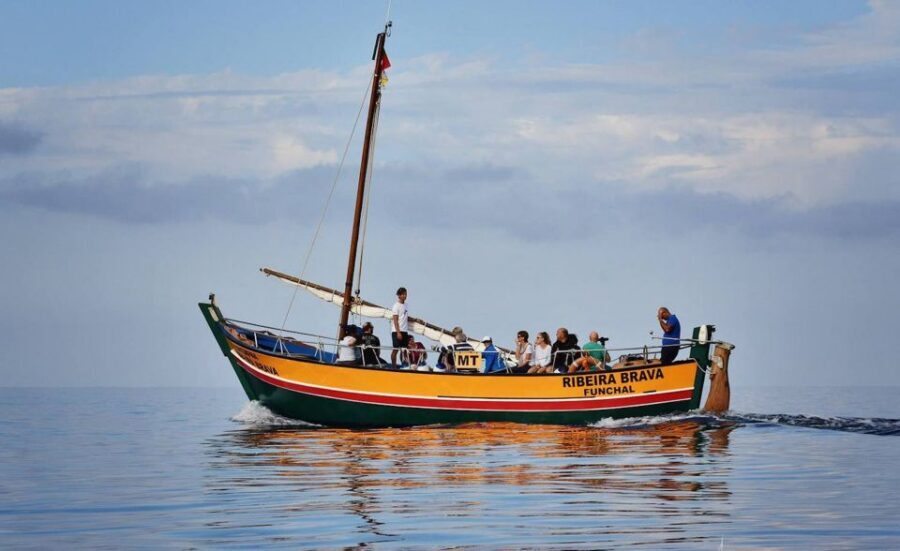
The live tour guide runs in English and German. That’s great if you want real explanation while you’re out there, not just a printed brochure later.
Group energy matters less than the guide’s approach on these trips. The consistent theme here is friendliness and knowledge paired with a calm, approachable style, so you’re likely to feel included rather than talked at.
Best fit: who should book Lobosonda’s Madeira whale watching trip
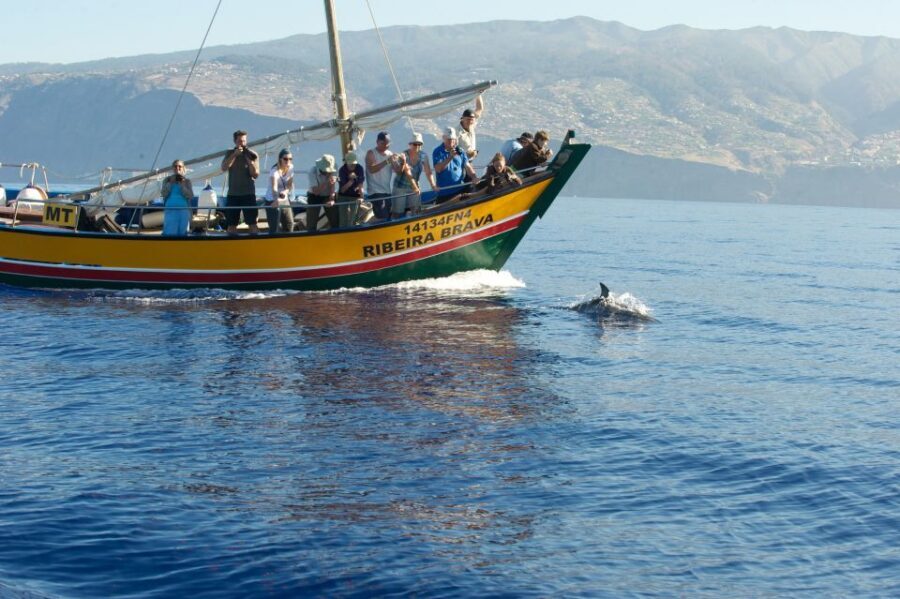
I’d point you toward this excursion if you:
- Want a short, focused outing (2.5 hours) instead of a full-day trip
- Care about marine animals and appreciate respectful boat behavior
- Like being coached in what to look for, rather than scanning blindly
- Are traveling with a mixed group and need something exciting but not complicated
You might choose another option if you:
- Are only satisfied by guaranteed whale sightings (because no ocean trip can promise that)
- Are extremely weather-sensitive and don’t handle choppy seas well
Quick tips to improve your odds (without overthinking it)
You can’t control whether whales breach, but you can control how ready you are to spot them fast. Wear layers because sea air can feel cooler than you expect, and keep your attention moving—left, right, and straight ahead.
If you have binoculars, bring them. Even though the guide will point things out, having your own view helps you follow behavior when animals are farther out or when surfaces are brief.
Finally, arrive on time for the marina meeting point so you don’t feel rushed the moment you step aboard. That sets the tone for the whole outing.
Should you book this whale-watching excursion?
If you want a Madeira experience that mixes local boat culture with guided wildlife watching, this is a strong pick. The Ribeira Brava details, the consistent emphasis on respectful distance, and the guide quality (including specialists like Paula) all support the trip’s core promise.
Book it if whale and dolphin spotting are your main goal and you can handle the reality that animals don’t work on a schedule. Skip it only if you need certainty—because the ocean rarely offers that.
If you’re deciding between “cheap and generic” versus “guided and conscience-driven,” this one leans toward the second.
FAQ
How long is the whale watching excursion?
The tour duration is 2.5 hours.
What is the meeting point in Madeira?
You meet in the marina, between the restaurants Aki Kalheta and Leme Marisqueira.
How much does it cost per person?
The price is $53 per person.
What languages are the guides?
The live tour guide is available in English and German.
What are my cancellation options?
You can cancel up to 24 hours in advance for a full refund.
What chance do I have of seeing marine mammals?
The tour reports an 85.6% success rate for spotting marine mammal species.