Wine and sugar walk faster than you expect. This Madeira walking tour connects Funchal’s historic center to the island’s two powerhouse crops, wine and sugar, and explains why Madeira mattered for Portuguese expansion across the Atlantic and Indian oceans. You’ll cover key city landmarks on foot, including the cathedral area and the customs house, and you’ll hear how sugar profits helped pay for much of the city center’s construction.
I especially like the way the tour keeps its focus: it’s not just a stop-at-a-wine-house style outing. You get the bigger picture of how Madeira’s wine culture contributed to global history, and you also get the sugar side that explains where the money came from. The guide-led storytelling is often praised too, with examples like Julia and even a German gap-year student being singled out for making the story click in plain, human terms—and the whole concept supports Madeiran students.
One thing to keep in mind: if you’re visiting in June, you should consider that a sugar-related museum connection may not be available if it’s closed. That doesn’t mean you won’t learn about sugar trade, but it can affect how museum-linked your experience feels.
In This Review
- Key highlights worth circling on your map
- Why Madeira’s wine-and-sugar story still shapes Funchal
- Meeting at Naturalmente Português and getting oriented fast
- The two-hour walk through Funchal’s trade-era landmarks
- Madeira as a Portuguese control base across the Atlantic and Indian oceans
- How your guide ties wine culture to global history
- Price and what $42 buys you for 2 hours
- Who this walking tour is perfect for
- Should you book the Wine and Sugar Walking Tour?
- FAQ
- How long is the Wine and Sugar Walking Tour?
- Where does the tour start?
- What is the price?
- Is this tour private?
- Are food and drinks included?
- Can I get a refund if I change my mind?
Key highlights worth circling on your map
- Wine-and-sugar focus: you learn two crop stories tied directly to Funchal, not just wine tasting culture
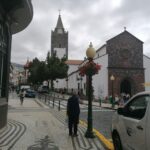
- Historic center walking: cathedral and the customs house area show how trade shaped the city
- Portuguese ocean-expansion context: Madeira as a control base for centuries
- Small private-group vibe: only your group participates, so questions don’t get lost
- History Tellers at Naturalmente Português: start from a local history shop in the La Vie Shopping Center area
Why Madeira’s wine-and-sugar story still shapes Funchal
Madeira’s big secret is that the island’s most famous products weren’t separate stories. Wine and sugar were tied to labor, trade routes, wealth, and even the way Funchal grew into a city that European travelers paid attention to.
In this tour, the guide builds that chain for you. You start by getting oriented to who lived on Madeira and how the island’s coastlines were used as a long-running operational base for the Portuguese. Then you shift to the two crops that essentially powered the system: wine becomes the cultural export, while sugar is explained as the dominant crop that generated serious money.
What I like here is that you’re not left with two random facts. You walk through the city and hear why the story belongs here, in these streets and buildings—not somewhere else, not in a lecture hall.
Other walking and food tours we've reviewed in Madeira


Meeting at Naturalmente Português and getting oriented fast
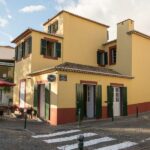
The meeting point is set up so you can actually find the start. You’ll meet your guide at Naturalmente Português, the History Teller’s store, at the La Vie Shopping Center area, and the tour route is done on foot through central Funchal. The listed start is also tied to Jesuit College of Funchal, and the tour ends back at the same meeting point.
Bring whatever you need to be comfortable for a 2-hour walk: water, sunglasses, and shoes that handle uneven sidewalks. Food and drinks are not included, so plan to eat before or after. If you’re the type who likes to get your bearings quickly and then let the guide do the connecting, this format works well.
The tour uses a mobile ticket, and you’ll receive confirmation at booking. It’s also described as most travelers can participate, and service animals are allowed, so it’s built for broad, everyday visitors.
The two-hour walk through Funchal’s trade-era landmarks
This is a guided city walk through Funchal’s historic center, with the emphasis on how Madeira’s economy translated into architecture and urban identity.
As you move through the old core, you’ll stop to look at major markers connected to the island’s trade wealth. Two of the most specifically mentioned areas are:
- The cathedral buildings area in Funchal
- The customs house of Funchal
The tour explains that sugar earnings paid for much of the construction in the city center. That detail changes how you look at what you’re seeing. Instead of viewing the buildings as just pretty backdrops for photos, you start thinking about who built them, why trade needed a customs function, and how money from the island’s sugar economy showed up in stone and civic space.
A big plus for the pacing: because the tour is only about two hours, it doesn’t drag. You’re learning as you walk, and then you’re back where you started. If you want a history-and-architecture connection without committing to a half-day, this hits the sweet spot.
Madeira as a Portuguese control base across the Atlantic and Indian oceans
One of the more compelling parts of the story is how Madeira fits into the wider Portuguese reach. The guide frames the island as a control base for Portuguese activity on the Atlantic and Indian oceans, and for their coastal operations for centuries.
Here’s what’s valuable for you as a visitor: this turns Madeira from an island you see on a map into a place you can understand as a working hub. You’ll learn how Madeira’s position helped shape movement and decisions across the seas, which then links naturally to why trade industries mattered so much once people were investing, sailing, and expanding.
You’ll also hear about famous visitors to Madeira and what they undertook there. The tour doesn’t aim to be a name-dropping contest, but it uses these visitors as waypoints to make the island feel connected to the broader world history happening beyond Portugal.
How your guide ties wine culture to global history
The wine portion isn’t presented as a standalone product story. Instead, it’s part of the larger pattern: Madeira became significant beyond Portugal because the island’s systems of production and trade connected it to global demand.
You’ll learn about Madeira wine culture and how it contributed to global history. The practical value for you is that you’ll walk away understanding what made Madeira wine more than a local drink. You’ll see it as part of the island’s outward-looking story—something exported and recognized through the same networks that carried other goods.
The guide is central here, and the reviews back that up. People highlight that guides can be exceptionally engaging, and at least one review called out Julia as personable and skilled at bringing the history to life. Another review mentioned a German gap-year student guide who was very knowledgeable and made the sugar and wine trade story feel real rather than academic.
One small drawback to factor in: if your main goal is the sugar museum angle, plan around possible closures. There’s an example of a sugar museum being closed for all of June, and the visitor felt the tour wasn’t tightly linked to that specific museum stop. So if your travel dates land in June and sugar museums are a must, treat this tour as a solid history walk first, and don’t bank on a museum visit.
Other walking tours we've reviewed in Madeira



Price and what $42 buys you for 2 hours
At $42 for about 2 hours, the value is really about format: it’s a walking tour with guided interpretation, and it’s described as private, meaning only your group participates.
That matters because it changes the learning experience. In a normal group walk, questions can get squeezed. With a private setup, you’re more likely to get answers that match your interests—whether you lean more toward the wine story or the sugar economy.
Also, the tour includes a driver/guide plus a tour escort/host. That typically means smoother flow: fewer awkward pauses, clearer guidance, and a better chance that you understand what you’re looking at as you go.
What’s not included is also important: there are no food or drinks, and there’s no hotel pickup or drop-off. So the full cost to you is really the ticket plus any snacks and transport you handle on your own. For many people, that still pencils out well because you’re paying for the guided history and the walking route through Funchal’s central sites.
Who this walking tour is perfect for
This is a good fit if you want an active, city-based lesson rather than a tasting-only day. You’ll enjoy it most if you like:
- History that explains buildings (customs house and cathedral area matter)
- Trade stories that connect to real-world growth
- A balanced approach to two Madeira industries—wine and sugar
- A small-group, private-feeling experience
If you only want wine culture and don’t care about sugar, you might find the sugar focus less relevant. But if you’re curious about how the money behind the city worked, and how that later ties into Madeira’s reputation, this walk makes sense.
Should you book the Wine and Sugar Walking Tour?
I’d book this tour if you’re spending time in Funchal and want a fast, guided way to understand why the island is famous and how its wealth shaped the city center. It’s a focused route, it’s only around two hours, and the guide-led storytelling is the main value—exactly the kind of thing that turns an ordinary walk into a “now I get it” experience.
Skip or at least double-check your expectations if you’re traveling in June and you’re counting on a museum visit for the sugar side. In that case, treat this as a history walk through Funchal’s trade-era landmarks, not a guaranteed sugar-museum add-on.
If you want a practical rule: book it when you want context, not when you want a tasting schedule.
FAQ
How long is the Wine and Sugar Walking Tour?
It lasts about 2 hours (approximately), and it’s a walking experience through central Funchal.
Where does the tour start?
You meet at the Naturalmente Português store run by History Tellers in the La Vie Shopping Center area. The start is also listed near Jesuit College of Funchal. The tour ends back at the same meeting point.
What is the price?
The tour costs $42.
Is this tour private?
Yes. It’s listed as private, so only your group participates.
Are food and drinks included?
No. Food and drinks are not included, so plan to grab something before or after.
Can I get a refund if I change my mind?
Yes. You can cancel for a full refund up to 24 hours in advance of the experience start time. Free cancellation is offered, and changes within 24 hours aren’t refunded.