REVIEW · MADEIRA
Lighthouse View 3 (Cais do Sardinha, Lighthouse and return to Cais do Sardinha)
Book on Viator →Operated by Madeira Sea Emotions · Bookable on Viator
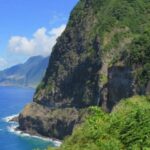
North Madeira turns wild at the lighthouse. You get sea views of the 150-year-old Farol at Ponta de São Lourenço, plus a chance to see Ilhéu do Desembarcadouro, caves, and quiet bays along the north coast.
Two things I really like: the small group size (max 18) and the way the natural setting drives the whole experience, from birds and endemic plants to the possible sighting of the sea-wolf seal. One thing to consider is that the north coast can bring wind and swell, which can make hearing instructions harder and can feel pretty sporty if you get seasick easily.
In This Review
- Key points at a glance
- Lighthouse View 3 in plain terms: sea views to Madeira’s north tip
- Your start at Cafetaria Sardine House and what to expect time-wise
- Ponta de São Lourenço and its lighthouse: 150 years of far-reaching views
- The headland walk: basalt geology and why the north has fewer trees
- Endemic plants and the small creatures you might overlook
- Birds, seals, and how to use your attention efficiently
- Cais do Sardinha swim stop: short, clear, and more “refreshing” than “swimming class”
- Cafetaria Sardine House: snacks plus a closer tie to the rangers
- Price and logistics: why $24.08 can feel fair
- Practical tips for windy north coast conditions
- Who should book Lighthouse View 3?
- Should you book Lighthouse View 3 with Madeira Sea Emotions?
- FAQ
- How long does Lighthouse View 3 last?
- Where does the tour start and end?
- What language is the tour offered in?
- Is admission included?
- What is the group size limit?
- Does this experience run in any weather?
- What is the cancellation window?
Key points at a glance
- 150-year-old Ponta de São Lourenço lighthouse at the oldest lighthouse in the Madeira archipelago
- Protected nature zone with Natura 2000 coverage and strict reserves near the islets
- Bird and wildlife spotting from seagulls and kestrels to the chance of a sea-wolf seal sighting
- Short swim break at Cais do Sardinha, known for clear water
- Ranger connection at Sardinha House, tied to Madeira Natural Park protection work
- English guide with a maximum of 18 people, keeping it personal
Lighthouse View 3 in plain terms: sea views to Madeira’s north tip
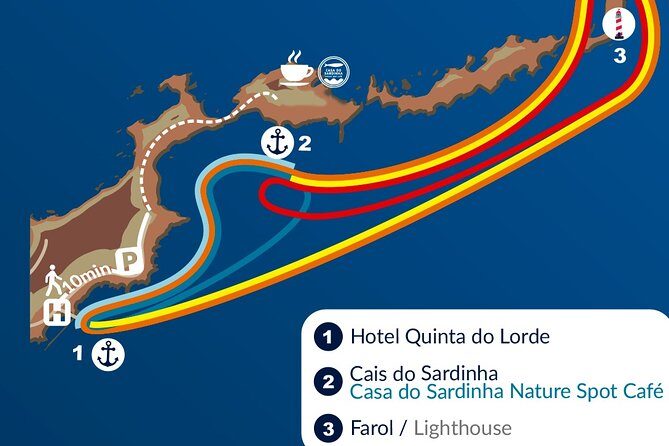
Lighthouse View 3 is a short, focused outing built around the dramatic north end of Madeira. You spend time on the water and on the headland area at Ponta de São Lourenço, then you loop back to Cais do Sardinha.
The whole experience runs about 30 to 45 minutes, so it’s not an all-day marathon. It’s priced at $24.08 per person, and the ticket to the activity is described as free, which helps the value feel reasonable for how close you get to key viewpoints.
You’ll start at Cafetaria Sardine House cafe & snacks in Caniçal and end back there. It’s offered in English, and you’ll use a mobile ticket. With a maximum of 18 travelers, you’re less likely to feel lost in a crowd and more likely to hear the guide over the wind.
If you're still narrowing it down, here are other tours in Madeira we've reviewed.
Your start at Cafetaria Sardine House and what to expect time-wise
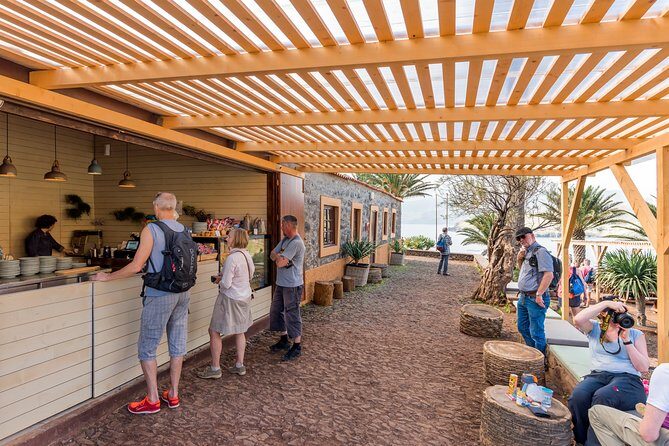
Most people think they’re “just meeting at a café.” Here, that matters, because it’s tied to the natural park side of the experience. The Sardinha House is described as a base for rangers who work for the Madeira Natural Park, so you’re in the right place to understand why this coastline is protected.
You also have a scheduled snack window of about 15 minutes at the Cafetaria Sardine House. That time is handy if you want something small before the headland time or after the sea portion, especially since the overall trip is short.
A heads-up for timing: the day is weather-driven. The experience is marked as requiring good weather, and if it’s canceled for poor conditions, you’ll be offered another date or a full refund. So if you’re planning multiple activities in one day, build in a little flexibility.
Ponta de São Lourenço and its lighthouse: 150 years of far-reaching views
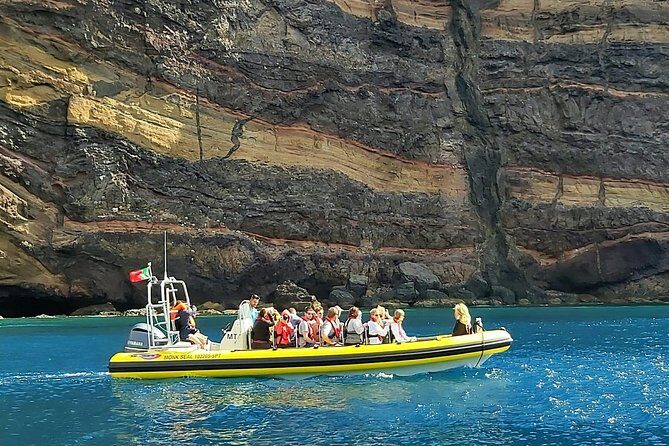
This stop is the visual anchor of the outing. Ponta de São Lourenço is where you can see a lighthouse that’s about 150 years old, and it’s identified as the oldest lighthouse in the Madeira archipelago.
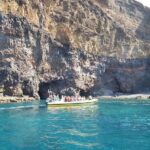
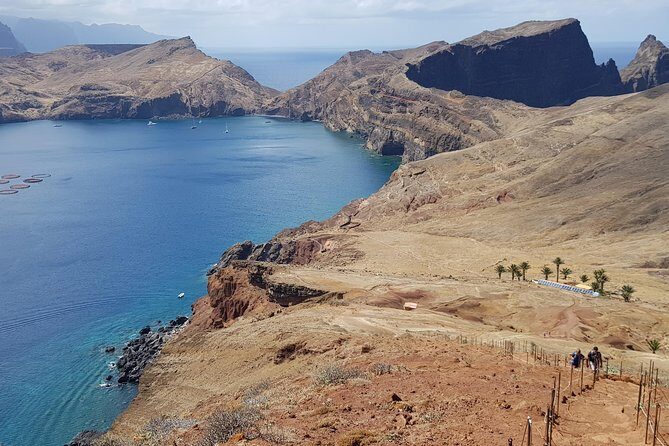
From here, you’re looking out over the north coast with its mix of rugged coastline and quieter pockets. The descriptions include views of Ilhéu do Desembarcadouro, plus caves and calm bays. That combination is the point: the north can look rough from a distance, but up close you often find calmer waterlines and interesting rock features.
You’ll also be in prime territory for spotting life. The area is described as home to animals and plants that can be found here, and the guide’s role is to point out what you’re looking at instead of leaving you to guess.
If you’re the type who likes facts while you stare at scenery, you’ll probably enjoy the guided explanations. One person specifically highlighted helpful explanations, though they also noted that wind and noise can make it tough to hear every detail.
The headland walk: basalt geology and why the north has fewer trees
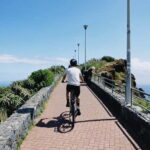
Ponta de São Lourenço is volcanic in origin, and the area is mainly basalt. You’ll also see hints of limestone sediment formations, which is a nice reminder that the island’s story is layered, even when the scenery looks simple and rugged.
The guide area also points out the shape of the peninsula and its islets. Near the end of the point are two islets: Cevada, Metade (or Desembarcadouro Islet) and S. Lourenço Point, Farol (or Fora Islet). There’s also a stone partition marking where regional government land begins, and it’s tied into the Madeira Natural Park boundaries.
Here’s what makes this walking portion feel meaningful for a visitor: the area’s climate is described as semi-arid, exposed to north winds, and shaped into a low-vegetation environment. It’s one of the reasons you see a lack of trees compared with other parts of the island. You’re looking at adaptation, not just scenery.
The protection status matters too. The peninsula is classified as a partial natural reserve, while Desembarcadouro Islet is a total natural reserve. And the land and sea along the north coast to a depth of 50 meters are part of Natura 2000. In other words, this is not a casual viewpoint that happens to be pretty—it’s a managed habitat.
Endemic plants and the small creatures you might overlook
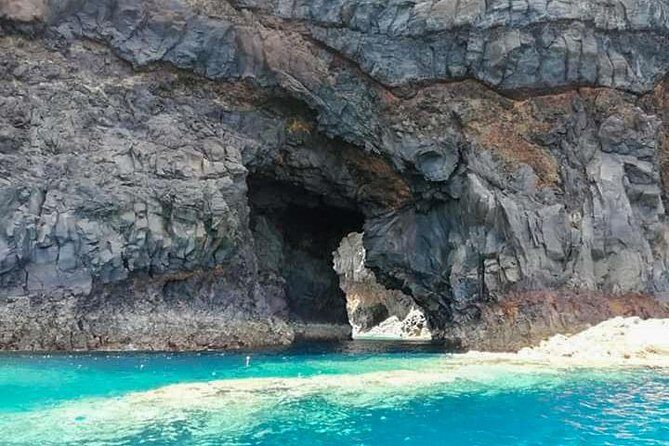
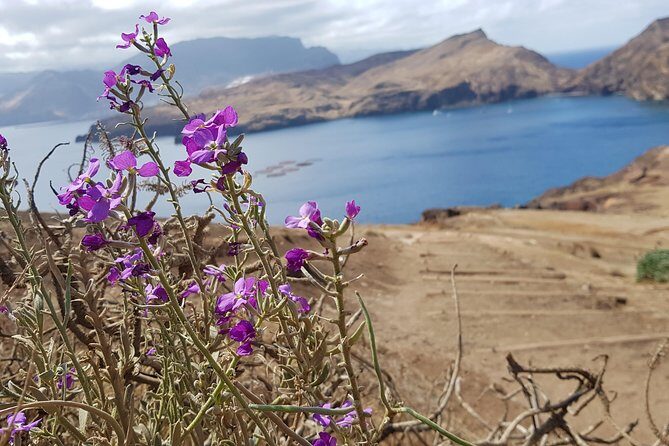
The plant stats are striking if you enjoy details: 138 species of plants are identified on the peninsula, and 31 are endemic to Madeira. That means a lot of what you see isn’t just common anywhere in Europe—it’s tied specifically to Madeira.
One of my favorite ways to approach this part is to slow down and focus on the “boring-looking” spots. When the vegetation is low and the ground looks rocky, it’s easy to assume there’s nothing to see. But that’s where you often find endemic plants, plus other small life that stands out once you know what to look for.
Fauna is part of it, too. The Madeiran lizard (Lacerta dugesii) is described as common here. And there’s a high number of endemic land molluscs, with 24 species noted as snails.
You don’t have to be a wildlife expert to enjoy this. The experience is set up so the guide and the natural park connection help you notice what you’d otherwise miss in a quick walk.
Birds, seals, and how to use your attention efficiently
Bird spotting is a big reason people love Ponta de São Lourenço. The area is described as hosting one of the largest colonies of seagulls in the region, including Larus cachinnans atlantis nesting on Desembarcadouro islet.
You might also see land birds along the route such as Berthelot’s Pipit, Goldfinch, Common Canary, and Kestrel. The mix is useful: it gives you multiple chances to spot motion and color, even if one species stays hidden.
The marine birds are part of the “north coast wow” factor. The area is described as supporting protected seabirds, including Cory’s Shearwater, Band-rumped Storm-Petrel, Bulwer’s Petrel, and the Common Tern.
Then there’s the wild card that people love to talk about: the sea. In the sea, you may be lucky enough to spot the world’s rarest seal, known in Madeira as the sea-wolf (Monachus monachus).
A practical way to improve your odds is to watch for movement patterns rather than staring at one spot. When the sea looks calm, scan for brief changes near the waterline and keep your eyes on the horizon during pauses in the wind.
Cais do Sardinha swim stop: short, clear, and more “refreshing” than “swimming class”
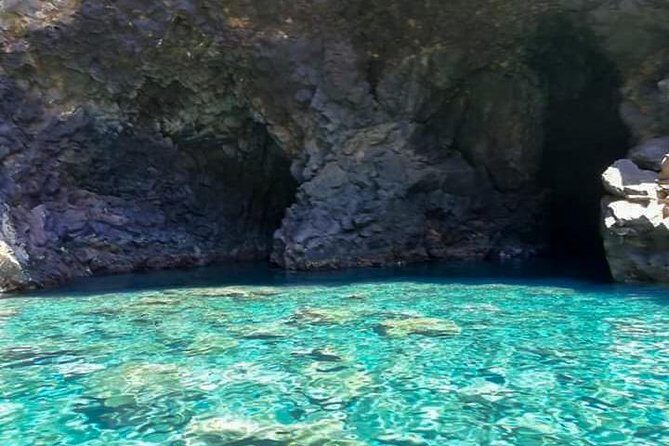
Cais do Sardinha is the return anchor, and it includes a quick chance to dip in the water. The descriptions call out crystal clear waters, and it’s positioned as a “take a dip” moment during the loop back.
Because this is a short experience, this swim stop is best thought of as a bonus, not the main event. If you want to take the plunge, come ready to move quickly and don’t plan to change outfits in a hurry.
Also pay attention to conditions. One participant noted bigger waves on the north side and said they felt safe at all times, but another mentioned strong sensations during swell movements and turns. That doesn’t mean it’s unsafe—it means it’s real ocean conditions.
And here’s the one safety note you should act on: one person pointed out there were no lifejackets. I can’t confirm what you’ll get on your departure, so do yourself a favor and ask the operator what safety equipment is standard before you board.
Cafetaria Sardine House: snacks plus a closer tie to the rangers
That snack window isn’t just for convenience. The Sardinha House is described as the base for rangers linked to Madeira Natural Park work, so it’s part of the reason this area gets protected.
Plan on a short break—about 15 minutes—so if you like coffee and a small snack, you’ll have time for that without losing the flow of the outing. Keep it simple: grab what you need, then get back to the views while the group is still in motion.
If you’re traveling with kids, the café stop helps. It breaks up the sea-and-wind portion so everyone gets a moment to reset. One family enjoyed the experience with a positive note about the crew, which suggests the pacing works for more than just adult nature watchers.
Price and logistics: why $24.08 can feel fair
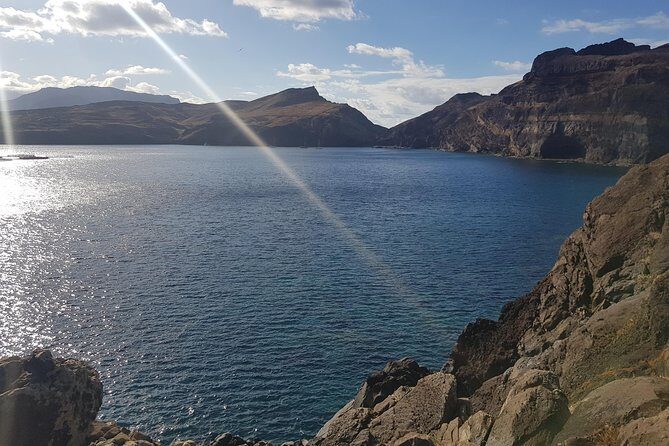
Let’s talk value in a practical way. This is a short trip—about half an hour to 45 minutes—and you’re getting access to a top viewpoint area tied to protected habitat, plus the specific lighthouse setting at Ponta de São Lourenço.
The price is $24.08 per person, and the admission is listed as free. That matters because some Madeira nature tours quietly bundle costs you don’t expect. Here, the pricing feels more straightforward for an experience that still delivers both sea scenery and headland nature time.
The group size is capped at 18, which usually improves your ability to hear explanations and ask questions. The tour also uses a mobile ticket system, which helps you avoid stress right at the meeting point.
One practical planning detail: the experience is described as being on average booked 30 days in advance. If you’re traveling in peak season or on a popular week, don’t wait until the last minute.
Practical tips for windy north coast conditions
Bring a layer. Even in good weather, wind at the north side can be strong. One person specifically warned that hearing the crew was sometimes difficult due to wind and noise, and they suggested a voice amplifier might help.
So if you have sensitive hearing or you want every detail, consider bringing earplugs and asking the guide to repeat key points when you miss them. It’s also worth choosing a spot where you’re not staring into direct wind all the time.
Shoes matter, even if you’re not doing a long hike. You’re on a coastal headland area with uneven ground and rock surroundings, so pick footwear with grip.
And yes, keep sea-sickness in mind. Another participant described swell sensations and engine accelerations and turns. Some people love that energy; others need to take it slow. If you’re prone to motion sickness, plan accordingly.
Finally, if safety gear is important to you, confirm what’s provided on your departure. The note about lifejackets is the only safety-related mention in the information you have, and it’s worth checking directly with Madeira Sea Emotions.
Who should book Lighthouse View 3?
This is a great fit if you want a short outing that still connects you to real nature. I’d book it if you care about birds, endemic plants, and learning why this coast is protected instead of just snapping photos and moving on.
It’s also a good choice if it’s your first time in Madeira and you want one trip that covers the dramatic northern tip. One person called it the cherry on top for their first arrival, and that matches the feel of the outing.
If you want calm, slow, and fully sheltered views, you might find the north coast conditions a bit much. Strong wind, noise, and swell are part of the experience here, and one review mentioned no lifejackets while describing wave action—so you’ll want to think about your comfort level before you commit.
If you travel with service animals, this activity allows them, which is a helpful practical note.
Should you book Lighthouse View 3 with Madeira Sea Emotions?
My take: yes, book it if you’re looking for a compact Madeira nature experience with real wildlife potential and a lighthouse viewpoint you can’t get anywhere else on the island. The combination of the 150-year-old lighthouse, protected habitat details, and the possible sea-wolf sighting chance makes it feel like more than a quick boat ride.
Only skip or rethink it if you know you get sick in choppy water or you need very quiet, easy listening throughout. If that’s you, still consider booking—but confirm safety gear, and come layered and prepared for wind.
If you do go, I’d treat it like a focused nature outing: dress for weather, keep an eye on the waterline and birds, and don’t rush the headland time. The best moments here come when you slow down for the small life you’d normally walk past.
FAQ
How long does Lighthouse View 3 last?
It lasts about 30 to 45 minutes.
Where does the tour start and end?
The tour starts at Cafetaria Sardine House cafe & snacks in Caniçal and ends back at the meeting point.
What language is the tour offered in?
The tour is offered in English.
Is admission included?
Admission is listed as free.
What is the group size limit?
The tour has a maximum of 18 travelers.
Does this experience run in any weather?
It requires good weather. If it’s canceled due to poor weather, you’ll be offered a different date or a full refund.
What is the cancellation window?
You can cancel up to 24 hours in advance for a full refund. Changes made less than 24 hours before the start time are not accepted, and weather-related cancellations are handled with a different date or a full refund.