REVIEW · MADEIRA
Madeira: Private Banana Farm Tour with Pickup
Book on GetYourGuide →Operated by Pearl of the Atlantic · Bookable on GetYourGuide
Two hours and change can still teach you a lot. This private banana farm tour in Madeira pairs an easy, guided walk through how bananas grow here with a stop at the RG3 viewpoint over Funchal. You’ll get the practical “how it’s grown” story, plus a small taste of the island’s bananas.
The biggest thing to consider is that this experience is mainly about farming and production rather than a full-on meeting with an actual banana grower on their own farm.
In This Review
- Key Points at a Glance
- Why Madeira Bananas Are Worth Your Time
- The Real Value: Private Pickup Plus a Focused 2.5 Hours
- What You’ll See on the Ground: Banana Plants Through Their Life Cycle
- Banana to taste: what to do with it
- The RG3 Viewpoint Stop: Funchal From a Less-Known Angle
- How the Tour Keeps Moving (Without Rushing You)
- Comfort Tips That Make This Tour Easier
- What Makes This Worth It for Different Types of Travelers
- Price and Logistics: What $212 Includes (and What It Doesn’t)
- Rain, Timing, and Ground Conditions
- Final Take: Should You Book the Banana Farm Tour?
- FAQ
- How long is the Madeira private banana farm tour?
- How much does the tour cost?
- Is this tour private?
- Where does pickup happen?
- What if I’m arriving by cruise ship?
- What language is the guide?
- What will I do during the tour?
- Is food included?
- Does the tour run in bad weather?
- What should I bring?
- Is the tour wheelchair accessible?
Key Points at a Glance
- Private, 2.5-hour format means a short drive, focused stops, and lots of guide time for your questions.
- Banana farm visit includes seeing plants in different stages of development and learning the process behind production.
- RG3 viewpoint stop gives you wide views of Funchal from a spot many people don’t know.
- Pickup included from Funchal (and nearby areas), so you don’t waste your day figuring out transport.
- Banana to taste lets you connect the farm story to real flavor and texture.
Why Madeira Bananas Are Worth Your Time
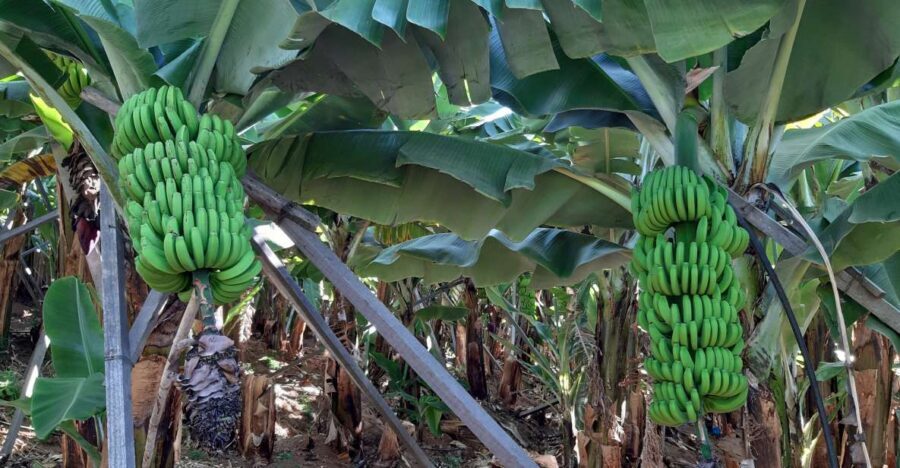
If you’ve only ever eaten bananas sold in supermarkets elsewhere, Madeira’s fruit feels a bit like a cousin. The bananas grown on the island are described as a subspecies of the original banana, and they’re traditionally smaller than the South American type. In plain terms: you’re not just visiting a farm to take photos—you’re learning why the fruit is different and what the island’s growing conditions and practices do to the result.
What I like about this tour is that it stays practical. You get the story of how bananas are produced in Madeira, not just a general nature talk. And because it’s private, the guide can steer the conversation toward what you care about—plant life cycle, farming rhythms, or what makes Madeira bananas taste the way they do.
There’s also a built-in “two worlds” effect. You start thinking like a farmer when you’re around the plantations, and then you switch to big-picture island thinking at the RG3 viewpoint, where the island’s shape and the coastline make it easier to understand why crops are where they are.
Other private tours in Madeira

The Real Value: Private Pickup Plus a Focused 2.5 Hours
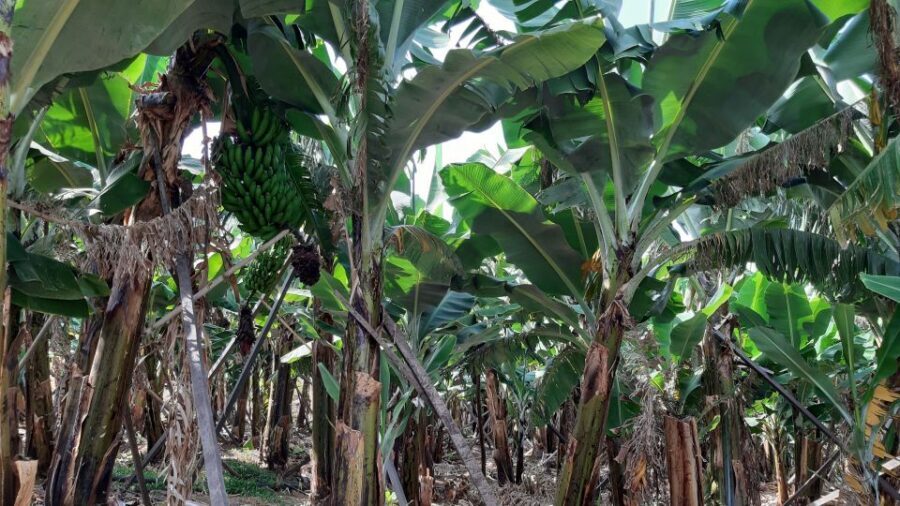
At $212 per group up to 4, this isn’t a budget add-on. But it’s priced like a small, personalized experience—pickup, private transport, a local guide, and a guided banana farm visit packed into about 2.5 hours.
Here’s the value math that matters: if you have a group of 3 or 4, the cost drops to roughly $53–$71 per person. For Madeira, that’s a fair chunk of money for a private guide who can pick you up and bring you back without fuss. Also, you’re getting free onboard Wi‑Fi, which sounds small until you’re waiting between stops (and want to message home or check directions for the rest of your day).
The short duration is a feature, not a flaw. Banana plantations and viewpoints are close enough to do this efficiently, and you avoid the “half day disappears” problem. Still, because it’s only 2.5 hours, you should treat it as an overview plus a tasting, not a full deep agricultural course.
What You’ll See on the Ground: Banana Plants Through Their Life Cycle
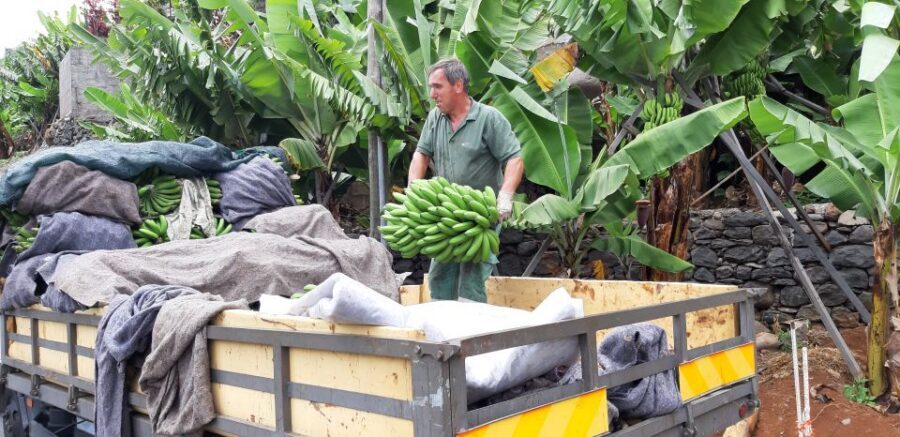
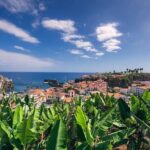
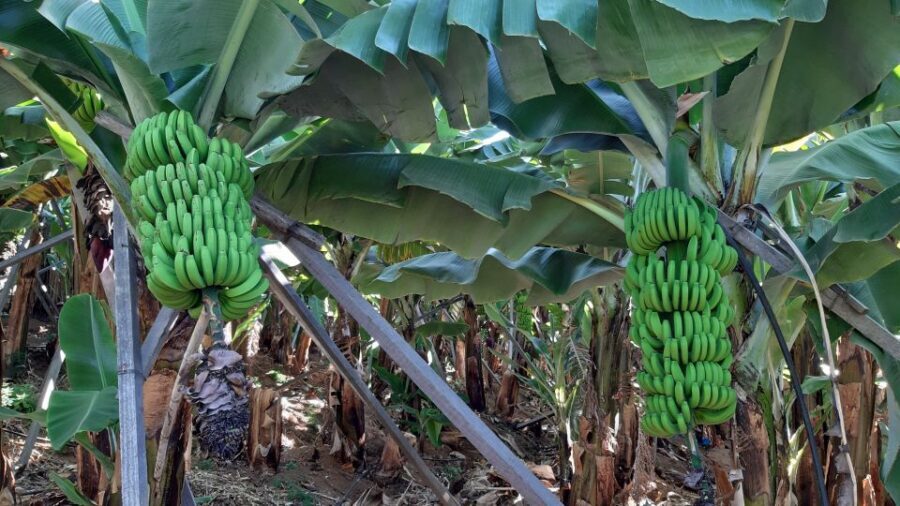
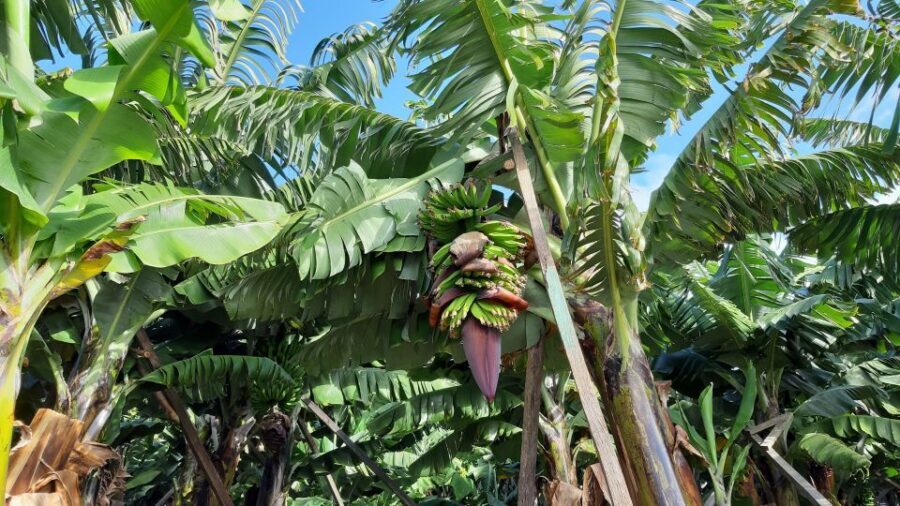
The heart of the tour is a visit to a local banana farm area in/around Funchal. You’re there to understand how bananas actually grow and how production works on Madeira. The guide explains the banana plant’s life cycle, and you’ll see plants in different stages of development—so you don’t just see one moment in time.
That detail matters. Banana farming isn’t static; the plant moves through growth phases, and the whole operation depends on timing and care. Seeing multiple stages helps you understand why farmers can’t treat the plantation like a single crop patch. It’s more like a production system where the next batch is always in the works.
You’ll also get context about the fruit itself. Madeira’s bananas are described as traditionally smaller with a flavor that’s “accentuated on the palate.” Nutritionally, the tour information points to sugars (including sucrose, glucose, and fructose), fibers, and minerals like potassium and magnesium, along with vitamins such as vitamin C and vitamins from clusters A and B. You don’t need to remember the lab list to appreciate the takeaway: these aren’t exotic fruit props; they’re real crop fruit with a defined profile.
Banana to taste: what to do with it
You’ll have a banana to taste included. I suggest you treat that taste like part of the lesson. Before you try it, take a quick look at the fruit (color and size vary on the island, based on what’s available). Then notice texture and sweetness. When your brain has both the plant story and the actual flavor in the same hour, it sticks.
The RG3 Viewpoint Stop: Funchal From a Less-Known Angle
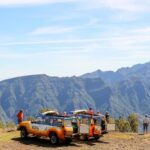
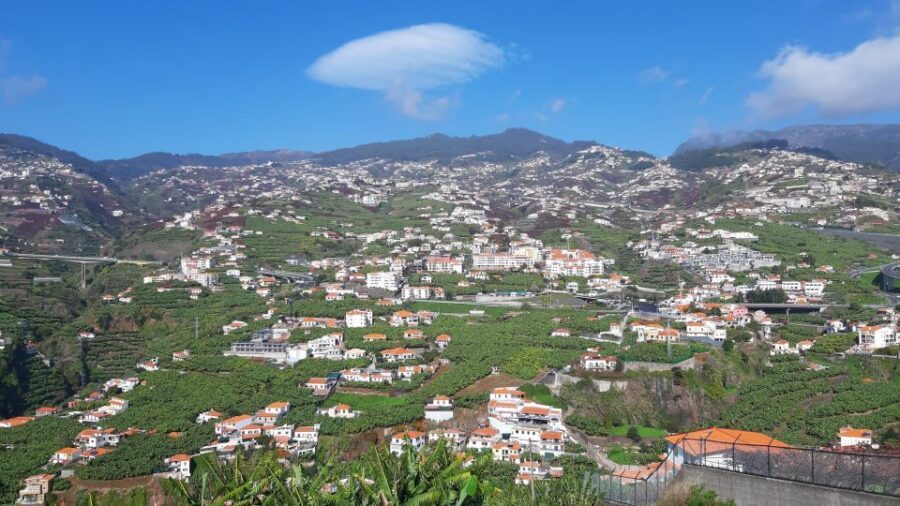
After (or alongside) the farm portion, you’ll visit the Viewpoint of RG3. This is called out as an overlook many people don’t know, and that’s exactly why it’s worth building into your day.
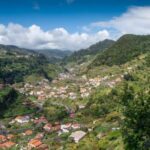
Why viewpoints are useful on a plantation tour: when you’re surrounded by crops, it can be hard to picture how the island’s terrain shapes agriculture. From RG3, you can see the whole of Funchal around you, which helps connect dots between hillside farming and the city below. You get orientation fast—where you are, how roads and neighborhoods sit in relation to slopes, and why certain areas are good for cultivation.
Expect a classic Madeira viewpoint experience: you’ll likely want sunglasses, and the light can be strong. Bring your hat, and take your time. If the weather is clear, this stop gives you the kind of wide, easy-to-understand view that makes the rest of the day feel more connected.
A few more Madeira tours and experiences worth a look
How the Tour Keeps Moving (Without Rushing You)
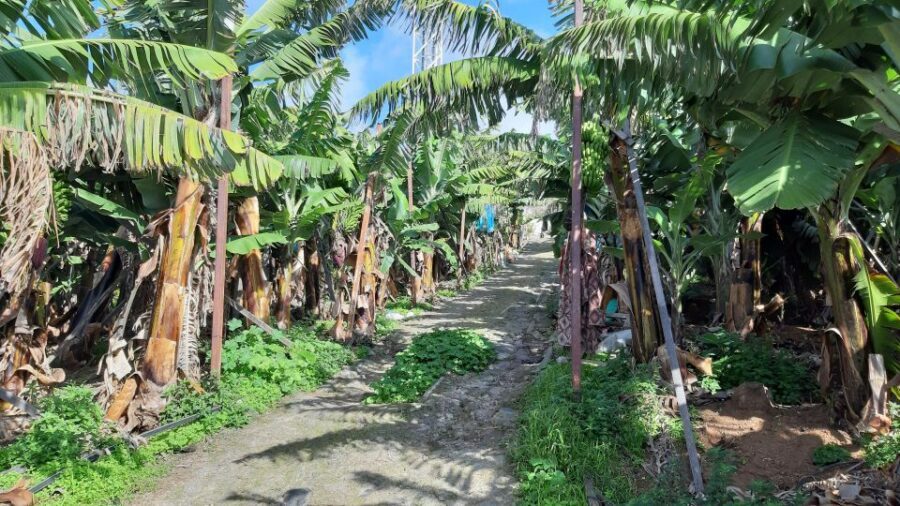
Even when a tour is “private,” the timing can still get weird. Here the format is straightforward: pickup, guided driving, and a couple of focused stops, ending with return drop-off.
From the tour details, you’ll have hotel/port/apartment pickup and drop-off. Pickup areas are listed as Funchal, Caniço, and Camara de Lobos. One important note: it specifies NO FUNCHAL PORT, and if you’re choosing the cruise-ship option, you should pick the option for pickup at the Funchal Cruise Ship Port. That matters because a lot of “Funchal pickup” confusion comes from different ports and docking zones. If you’re arriving by cruise, double-check you selected the correct pickup choice.
Also, this is a private group, and the guide speaks English and Portuguese. That’s handy if you’re traveling with someone who understands one language but not the other. One review highlights that the guide was good at English and talked clearly—so you can expect the explanation to be easy to follow, not mumbled under the car engine.
Finally, the tour runs rain or shine, except in the case of extreme weather events. So plan for damp or slippery ground near plantations. Comfortable shoes aren’t optional on this kind of outing.
Comfort Tips That Make This Tour Easier
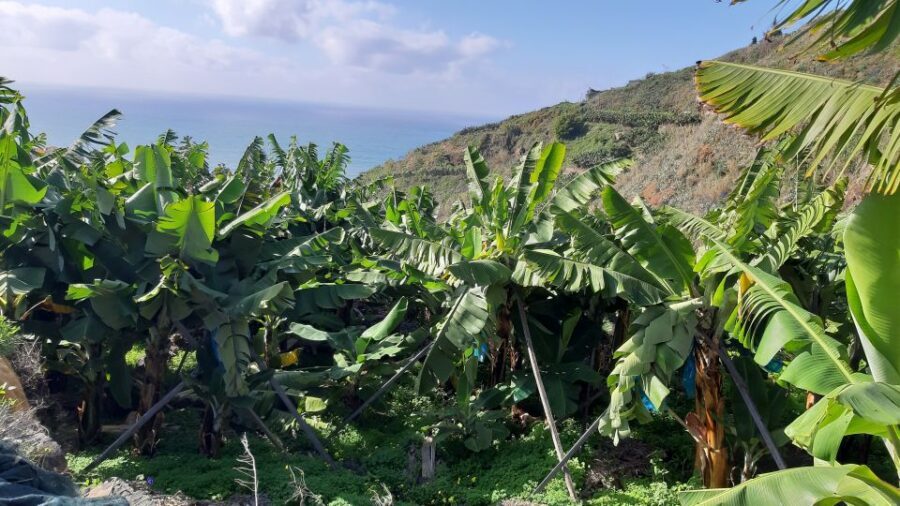
This tour is simple, but the island terrain can be less forgiving than you’d expect. Here’s what I’d bring and why:
- Comfortable shoes: you’ll be walking around plantation areas and viewpoints.
- Sun hat + sunscreen + sunglasses: Madeira sun can feel strong even when the air is cool.
- Comfortable clothes: layers help because conditions can change as you move.
Also, keep it clean and easy inside the vehicle. Smoking, vaping, alcohol in the vehicle, and eating in the vehicle aren’t allowed. You can bring water, but the tour states that food and drinks aren’t included, and drinks in the vehicle aren’t permitted. If you think you’ll get thirsty, bring what you need and follow local rules.
The tour isn’t set up for wheelchairs. It’s listed as not wheelchair accessible, and it specifically notes restrictions for mobility impairments. It’s also not suitable for children under 6 and says unaccompanied minors aren’t allowed.
What Makes This Worth It for Different Types of Travelers
This is a great fit if you like food agriculture, but you don’t have to be a plant nerd to enjoy it.
Best for:
- People who want a short, guided experience with pickup and no navigation stress.
- Food lovers who want more than a tasting—they want the why behind flavor.
- Travelers who enjoy viewpoints and history-style context alongside nature.
Maybe not ideal if:
- You want a long, hands-on farm day with heavy walking. This is built as a compact 2.5-hour overview.
- You’re expecting a private meeting with a working banana farmer in their home base. The experience centers on the farm area and production explanation, and one review even notes it would be better to meet a farmer directly.
That said, the life-cycle explanations and staged plant viewing can still scratch the “real farming” itch. You just shouldn’t treat this as a farmer’s personal tour of their whole operation.
Price and Logistics: What $212 Includes (and What It Doesn’t)
Let’s break down the money in plain terms.
Included:
- Driver/local guide for a private tour
- Transport by private vehicle
- Hotel/Port/Apartment pickup and drop-off
- Free Wi‑Fi onboard
- Banana to taste
Not included:
- Food and drinks
For a short private tour, the value comes from avoiding transfers, finding meeting points, and doing this with a local guide who can explain what you’re seeing. The Wi‑Fi is a small bonus, but it helps when you’re on a schedule—especially if you’re connecting this day to other things in Madeira.
If you’re planning to eat after, budget for lunch or a snack separately. The tour keeps the focus on the farm and viewpoint, not on a meal stop.
Rain, Timing, and Ground Conditions
Since the tour operates rain or shine, you’ll want to be practical about what the ground might be like in wet weather. Even without extreme conditions, plantation paths and edges can be slippery. That’s another reason comfortable shoes matter so much here.
Timing-wise, you’re looking at about 2.5 hours, so think of it as a mid-morning or early afternoon activity. It also pairs well with cruise days if your ship schedule is stable—just remember you should select the Funchal Cruise Ship Port pickup option and confirm the exact pickup zone.
Final Take: Should You Book the Banana Farm Tour?
Book it if you want a tight, private, guided way to understand Madeira bananas and see a viewpoint that adds island context in a single outing. The combo of banana farm education, a taste included, and the RG3 viewpoint over Funchal makes this feel like more than a quick photo stop.
Skip it (or swap it) if you’re specifically hoping for a deep, behind-the-scenes meeting with the person running a farm as their day-to-day job. Based on the tour focus, you’re more likely to get a guided production explanation and staged farm viewing than a personal farmer-to-farmer conversation.
If you’re traveling as a couple or with up to 4 people, the private-group price becomes easier to justify—especially with pickup. For an easy, local-feeling Madeira experience, this one makes a lot of sense.
FAQ
How long is the Madeira private banana farm tour?
The tour duration is listed as 2.5 hours.
How much does the tour cost?
The price is $212 per group up to 4.
Is this tour private?
Yes, it’s a private group tour with a live guide.
Where does pickup happen?
Pickup is optional and available in Funchal, Caniço, and Camara de Lobos, and from hotels/apartments/inns/local accommodation. The details also specify NO FUNCHAL PORT.
What if I’m arriving by cruise ship?
Choose the option for pickup at the Funchal Cruise Ship Port.
What language is the guide?
The guide provides interpretation in English and Portuguese.
What will I do during the tour?
You’ll visit a local banana farm area in Madeira to understand banana production, and you’ll also visit the Viewpoint of RG3.
Is food included?
No. Banana to taste is included, but food and drinks are not included.
Does the tour run in bad weather?
It operates rain or shine, except for extreme weather events.
What should I bring?
Bring comfortable shoes, sunglasses, a sun hat, sunscreen, and comfortable clothes.
Is the tour wheelchair accessible?
No, it’s listed as not wheelchair accessible, and it isn’t suitable for people with mobility impairments.