REVIEW · MADEIRA
Ribeira Brava: The barn of the first atlantic city – Private Tour
Book on Viator →Operated by Vicente GeoTours · Bookable on Viator
Ribeira Brava tells Madeira’s story in stone. This private tour strings together geology and Madeira’s Portuguese roots using the historical center of Ribeira Brava as your real classroom. I like that the guide turns real locations into clear explanations, not a slideshow.
Two things I really like: first, you get the science of the island in plain terms, including why flash floods matter here. Second, you don’t stop at history on a page—you see built details like the manor-house engineering of Captain Luis Gonçalves Silva and the way streets and paving reflect the island’s needs.
One drawback to plan around: you’re spending about 2.5 hours outdoors, and the tour requires good weather. If the forecast is bad, it can shift or be canceled.
In This Review
- Key moments that make this tour worth your time
- Why Ribeira Brava makes the perfect “first Madeira” lesson
- Starting at Fort of São Bento and keeping the pace human
- Stop in Ribeira Brava: the “classroom” is the historical center
- The Earth-to-Madeira story: big history, small-town evidence
- Flash floods in Madeira: learning from the island’s strongest warning
- Quaternary alluvial deposits and lava flows: geology you can spot
- How Ribeira Brava’s streets and buildings reflect the ground
- Captain Luis Gonçalves Silva and manor-house engineering
- Heritage stones, sugar mills, and why the economy shaped the town
- Portuguese paving styles and Madeira-made streets under your feet
- Drinks, timing, and what the price really buys
- Who should book this tour (and who might skip it)
- Guide quality is the difference-maker here
- Weather and expectations: keep it flexible
- Should you book the Ribeira Brava private tour?
- FAQ
- How long is the Ribeira Brava private tour?
- How much does it cost per person?
- Where do I meet and where does the tour end?
- What’s included in the tour price?
- Is private transportation included?
- Does the tour require tickets or payment on-site?
- What happens if the weather is poor?
- What is the cancellation policy?
Key moments that make this tour worth your time
- Planet Earth to Madeira, explained in walkable steps so you connect the big picture to a specific town.
- Flash-flood talk with visible clues tied to the island’s ground and water behavior.
- In situ geology like quaternary alluvial deposits and subaerial lava flows you can point at.
- Architecture you can read including the manor-house engineering linked to Captain Luis Gonçalves Silva.
- Everyday Portuguese influence from sugar cane mills to pavement styles you’ll actually notice.
- Surprises in the city core like details you might normally walk past, including church silver and an old power plant.
Why Ribeira Brava makes the perfect “first Madeira” lesson
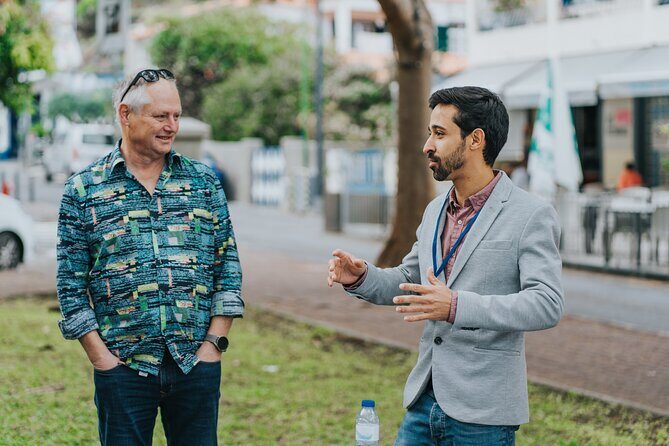
Most Madeira trips focus on views. This one uses views in a different way—through the town itself. Ribeira Brava is small enough that you can actually connect what you’re seeing: the ground beneath your feet, the way the streets were laid out, and how Portuguese settlement shaped daily life.
I like tours that help you get your bearings fast. This one starts with the long arc: the formation of Earth, then the particular geology of the Madeira archipelago, then how people arrived and built there. That structure matters because Madeira can feel mysterious until you understand why the island is the way it is.
If you’re coming for a first morning on the island, it’s a smart pick. You leave with a mental map of what to look for later—especially the clues around water, slopes, and building choices.
Other city tours we've reviewed in Madeira

Starting at Fort of São Bento and keeping the pace human
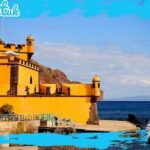
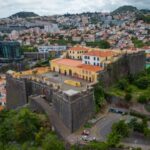
You meet at the Fort of São Bento at R. Gago Coutinho e Sacadura Cabral. The tour runs roughly 2 hours 30 minutes and ends back at the meeting point, so you’re not dealing with a half-day transit puzzle.
Because the tour is private for your group, the pace can adjust to your questions—handy if you like to learn slowly or if the group includes different interests. It’s also offered on Saturdays from 10:00 AM to 12:30 PM, which is great if you want an active start without losing the rest of your day.
Practical tip: wear comfortable walking shoes. The experience is anchored in the historical center, and you’ll be outside while you observe details and listen to explanations.
Stop in Ribeira Brava: the “classroom” is the historical center
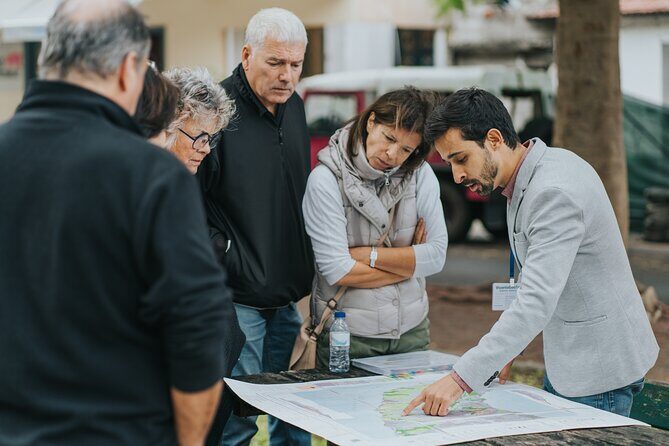
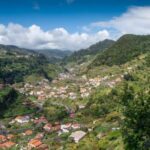
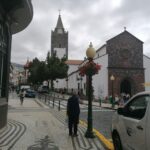
This tour concentrates on one place: Ribeira Brava. That sounds limiting until you realize how much the historical center can teach. You’re not just visiting landmarks—you’re observing how geology and human planning show up together in the same streets and buildings.
The guide uses the valley and buildings as didactic material. Translation: you’ll look at specific surfaces, deposits, and structures, and then the story behind them clicks into place. It’s a rare format that doesn’t feel like you’re rushing between stops.
If you like tours where you can point and say, that makes sense, this one fits your style.
The Earth-to-Madeira story: big history, small-town evidence
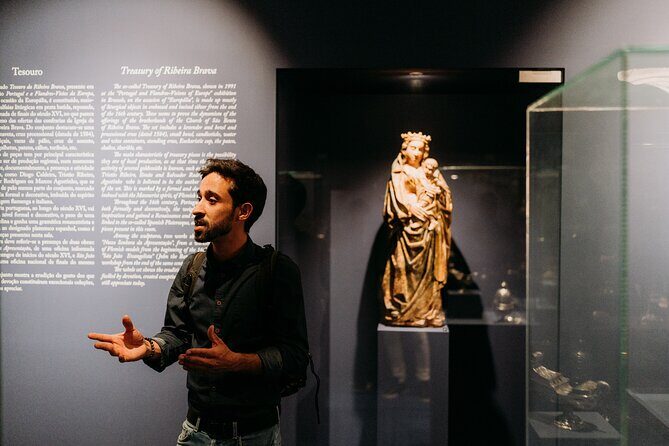
The tour’s opening theme is the long story: how Earth formed, then how the Madeira archipelago developed its particular characteristics. That might sound abstract at first, but the goal is to ground the science in what you can see in Ribeira Brava.
You’ll also get Madeira’s settlement explained through what the landscape made possible. Portuguese settlement isn’t presented as a date and a flag. It’s tied to practical realities—where people could live, what materials were available, and how the island’s forces shaped building and survival.
I enjoy when a guide explains the “why” behind the “what.” That’s the tone here: the island’s geology sets the problem, and settlement histories show the responses.
Flash floods in Madeira: learning from the island’s strongest warning
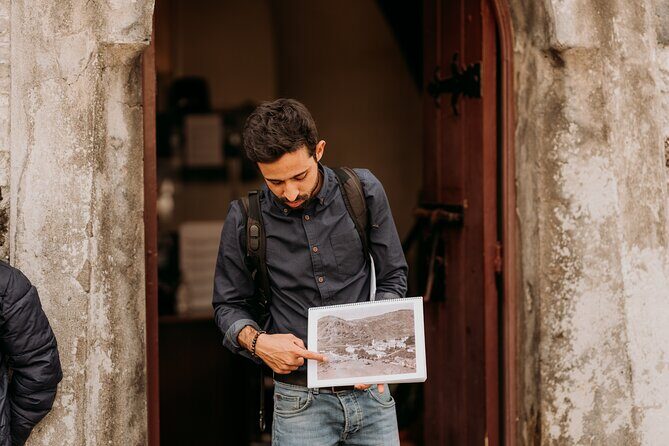
One of the most important parts of the tour is the section on flash floods. Madeira’s terrain and weather patterns can turn water from a calm feature into a sudden threat, and the tour uses that reality to help you understand why settlement planning matters.
What makes this valuable is that it isn’t just a dramatic story. The tour connects floods to what you’ll later see in the ground—deposits and flows left behind. When you connect cause and trace, the information sticks.
This is also a useful lens for the rest of your Madeira trip. After this, you’ll likely notice how towns and paths respond to slopes and water movement—even if you never hear the same explanation again.
Other private tours in Madeira

Quaternary alluvial deposits and lava flows: geology you can spot
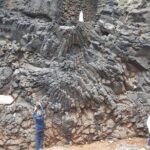
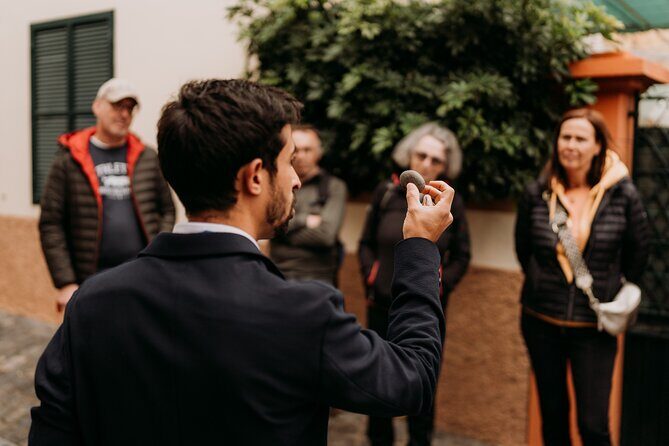
Here’s where the tour gets hands-on. You’ll observe quaternary alluvial deposits and subaerial lava flows in situ. In other words, you’re not just hearing geology; you’re looking for the physical evidence the guide points out.
For you, the payoff is clarity. Many geography lessons stay on paper. Here, the guide ties those terms to the specific features around Ribeira Brava, which helps you understand what deposits and flows mean in real life—how land changes over time, and what kinds of ground are left behind.
And yes, even if geology isn’t your hobby, this section usually lands well. It’s guided observation with an expert translator of science into everyday meaning.
How Ribeira Brava’s streets and buildings reflect the ground
A big thread in the itinerary is the interpretation of spatial planning in Ribeira Brava. The guide looks at how the village is laid out, then links that to terrain and risk.
This matters because good town planning is a response to reality. When water can move fast and land can be unstable, people don’t just build—they adapt. The tour helps you see those adaptations in the built environment.
You’ll also learn how lava and alluvial ground shape what becomes practical to build on and where movement through town makes sense. It’s the kind of lesson that turns a walk into an intelligent route.
Captain Luis Gonçalves Silva and manor-house engineering
The tour includes engineering particularities of the manor house linked to Captain Luis Gonçalves Silva. This isn’t a vague “look at the old house” moment. The focus is how the building works—an engineering perspective that ties into why local construction evolved the way it did.
I find this kind of detail satisfying because it turns architecture into problem-solving. Madeira wasn’t built in a vacuum. Builders had to work with materials, ground conditions, and the practical realities of life on an island.
If you enjoy architecture, this section is a strong reason to book. Even if you don’t memorize every term, you’ll come away with a clearer sense of how houses were designed to make sense locally.
Heritage stones, sugar mills, and why the economy shaped the town
The tour also includes observation of a Portuguese Global Heritage Stone—another way the experience ties geology to identity. It’s a neat reminder that the island isn’t only natural beauty. It’s also material culture.
Then you shift into Madeira’s socio-economic evolution through sugar cane mills. Here, the tour links the island’s industry to the town’s growth and rhythms. This is where you start seeing why certain features appear where they do.
If you’re tempted to treat sugar history as distant, this tour helps you connect it to physical traces. Mills and production shaped work patterns, wealth, and building needs. The tour uses that thread to make the town’s story feel more grounded.
Portuguese paving styles and Madeira-made streets under your feet
One of the most practical parts is the pavement section: you’ll observe both Portuguese-pavement style and Madeiran-pavement style as they’re applied in town. This may sound like a small detail, but pavement tells you how people expect a place to function.
Think about it like this: if rain runs down slopes and streets channel water, surfaces matter. If foot traffic needs stability, surfaces matter. If a town grows, patterns need to fit movement.
By the end of this section, you’ll likely start noticing paving everywhere you walk in Madeira, not just in Ribeira Brava.
And yes, the tour includes additional city details that make the walk feel lively. In one guided experience, the route included an old power plant in the city core, plus church details such as silver elements. It’s the kind of behind-the-scenes spotting that turns a normal stroll into a scavenger hunt—without you having to try.
Drinks, timing, and what the price really buys
At $40.33 per person for about 2 hours 30 minutes, the math works because the tour includes a lot inside the fee. You get the local guide, bottled water, coffee and/or tea, and alcoholic beverages. For many visitors, that’s a real cost-saver, especially on a morning when you’d otherwise stop for coffee and a snack.
It’s also a private tour for your group, so you’re not fighting for attention while your guide repeats the same points. The experience also lists group discounts, and there’s a mobile ticket involved.
One more practical note: private transportation isn’t included. You’ll want to plan your own way to the meeting point at Fort of São Bento.
Who should book this tour (and who might skip it)
This tour fits best if you like:
- science explained with real-world examples
- architecture and town planning
- a smaller, focused route rather than constant bus hops
- learning from the actual ground, not just museum labels
It’s also a great match if you’re the type who asks lots of questions. The reviews highlight guides who answer patiently and explain in a way you can follow.
Most travelers can participate, and the experience allows service animals. If you’re traveling with mobility constraints, you might still be okay, but you should consider that the tour is centered on walking through a historical area.
If your only goal is sea views and quick photo stops, you might find this more cerebral than your ideal morning. But if you want to understand Madeira, it’s a strong option.
Guide quality is the difference-maker here
The experience is built around your guide. The strongest praise focuses on two things: deep understanding across geology and Madeira’s history, and communication that makes the information easy to follow.
In the feedback, guides named Sandro and Santosh both show up as highly effective at explaining Madeira’s culture and Ribeira Brava in particular. Whether your guide is Sandro or Santosh, the theme is consistent: careful preparation, friendliness, and the ability to connect topics—geology, architecture, and local culture—without talking over your head.
The best part is that you don’t just get facts. You get context and practical tips. Several reviews mention restaurant and hotel suggestions, and that kind of local guidance is worth money.
Also, one review points out the tour covers more than you might expect, including local culture and a religious ceremony tied into the way the town moves and presents itself.
Weather and expectations: keep it flexible
The tour requires good weather. If it’s canceled due to poor conditions, you’ll be offered another date or a full refund. That’s fair, since the core of the experience is outdoor observation in the town.
Plan for a morning where you can be outside and listen. If you come expecting a rapid checklist, you’ll probably enjoy it less. If you come ready to slow down and look, you’ll get more from every stop.
Should you book the Ribeira Brava private tour?
Book it if you want a Madeira trip with meaning. This tour gives you a different perspective by linking geology, flash-flood understanding, and Portuguese-era traces directly to Ribeira Brava’s streets and buildings.
Also book it if you value strong guiding. The best feedback here is consistent: thorough explanations, patience, and clear English delivery, plus helpful local tips.
Skip it only if your ideal Madeira morning is purely scenic and photo-driven, with minimal walking and minimal talking. This is an information-heavy, location-based learning experience, and it shines when you’re in that mood.
FAQ
How long is the Ribeira Brava private tour?
The tour lasts about 2 hours 30 minutes.
How much does it cost per person?
The price is listed as $40.33 per person.
Where do I meet and where does the tour end?
You start at Fort of São Bento (R. Gago Coutinho e Sacadura Cabral, 9350-216 Ribeira Brava, Portugal) and the activity ends back at the meeting point.
What’s included in the tour price?
The tour includes a local guide, bottled water, coffee and/or tea, and alcoholic beverages.
Is private transportation included?
No, private transportation is not included.
Does the tour require tickets or payment on-site?
Admission is listed as free, and the tour uses a mobile ticket.
What happens if the weather is poor?
The experience requires good weather. If it’s canceled due to poor weather, you’ll be offered a different date or a full refund.
What is the cancellation policy?
You can cancel for free up to 24 hours in advance for a full refund. Canceling less than 24 hours before the start time doesn’t receive a refund.