REVIEW · MADEIRA
Funchal: Madeira Island Group Surf Lesson
Book on GetYourGuide →Operated by MadSea - Bodyboard & More · Bookable on GetYourGuide
Ready to catch your first Madeira wave? This Madeira Island group surf lesson gets you out on the clear Atlantic with expert instruction, then helps you read the water on real beginner-friendly spots like Porto da Cruz and Machico. You’ll start with a beach warm-up and technical demo, then move into the waves with coaching aimed at quick, safe progress.
I like how practical the teaching feels, with hands-on feedback that can get a first-timer standing on the board fast. I also like that you’re not stuck doing only one thing; you’ll experience multiple surf spots around the island, including Praia do Seixal and Praia de Machico, based on conditions. One consideration: timing depends on tides, sea, and weather, and group sizes can run bigger sometimes, which may mean a bit less one-on-one.
In This Review
- Key Highlights You’ll Actually Care About
- Madeira Surf Lesson from Funchal: What Happens in Those 4 Hours
- How Madeira’s Beginner Surf Spots Help You Learn Faster
- Beach Warm-Up and Technical Demo: Where the Win Starts
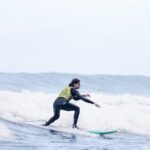
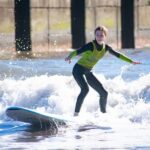
- In the Water Off Madeira: Catching Your First Waves
- Equipment, Insurance, and What You Should Bring
- Price and Value: What $100 Buys on Madeira
- Group Size Reality: Great Teaching, Variable Numbers
- Timing Around Tides and Weather: Plan for Morning or Afternoon
- Who Should Book This (and Who Might Want a Different Option)
- Should You Book This Madeira Surf Lesson?
- FAQ
- How long is the Madeira surf lesson?
- What does the surf lesson cost?
- Where will we surf around Madeira?
- What’s included in the price?
- What should I bring with me?
- What languages are the instructors able to teach in?
- What if the session can’t run due to tides or weather?
Key Highlights You’ll Actually Care About
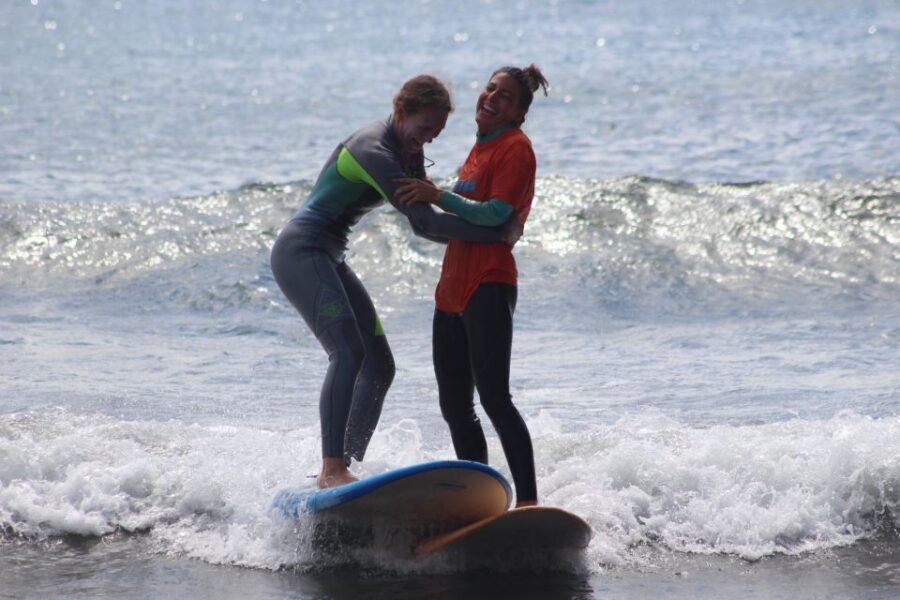
- Porto da Cruz and Machico coaching focus: you’ll learn on spots that instructors pick for your level and conditions
- Beach warm-up + technique demo first: stand, balance, and wave basics before you go in
- Clear start-to-wave structure: warm up, practice, then catch waves with guidance
- Beginner-friendly options include Praia do Seixal and Praia de Machico: great for first steps
- Group size can vary: sometimes it’s small and coach-to-student time feels strong
Madeira Surf Lesson from Funchal: What Happens in Those 4 Hours
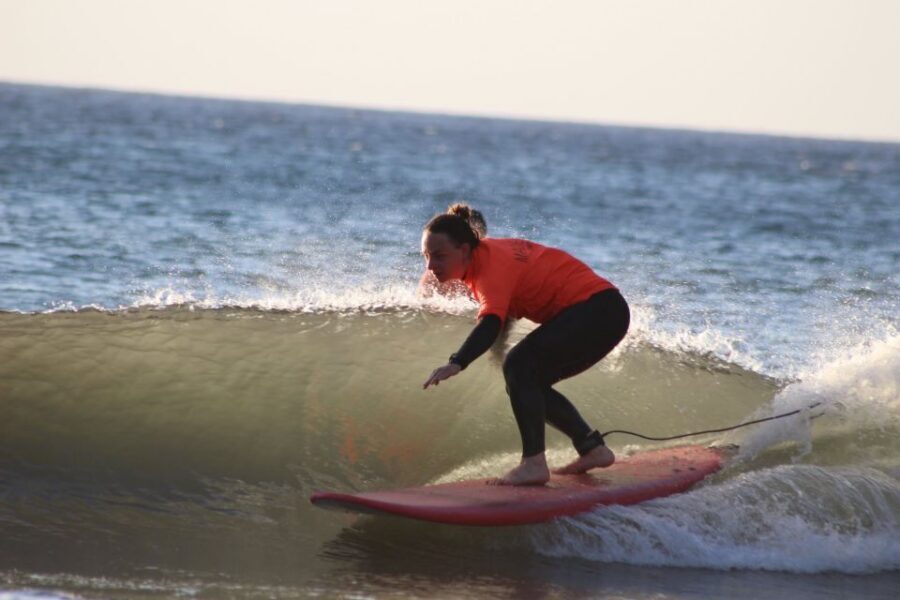
This is a 4-hour surf lesson that’s built around getting you into the water safely and helping you improve fast—whether it’s your first time or you just need cleaner technique. You’ll meet up in the Funchal area and get transportation to the beach, so you’re not spending your lesson figuring out local logistics.
The day runs in a simple rhythm: a beach start, then the ocean. You’ll warm up, get a technical demonstration, and learn how to approach waves so you can actually use what you practiced once you’re paddling.
And yes, the Atlantic can feel cold—so plan on feeling chilly at the start, especially if it’s an earlier session. That’s why the wetsuit matters, and why the lesson is structured to keep momentum after you get out there.
Other surf lessons we've reviewed in Madeira
How Madeira’s Beginner Surf Spots Help You Learn Faster
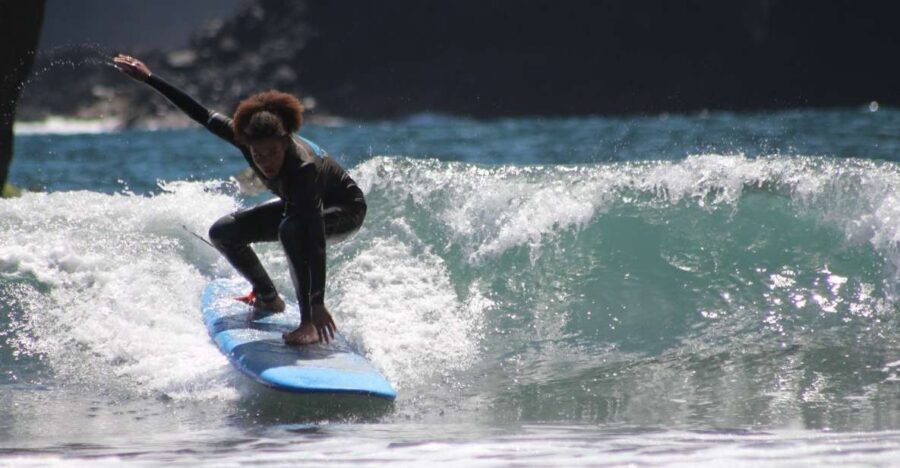
One reason Madeira is such a good place to learn is that your route can change with the sea. Instead of one fixed beach, the instructors take you to surf areas like Porto da Cruz and Machico, plus beginner-oriented options such as Praia do Seixal and Praia de Machico.
In practical terms, this matters because wave size and shape change from day to day. When conditions fit beginners, you spend more time practicing the basics—popping up, balancing, and riding short runs—rather than only struggling to paddle through rough water.
At Machico, for example, you’ll often find conditions that work well for beginners; one lesson experience specifically noted the waves were small and beginner-friendly there. Porto da Cruz, on the other hand, is frequently described as a dream spot, and instructors seem to like it for helping students progress once they’ve got the basics down.
Beach Warm-Up and Technical Demo: Where the Win Starts
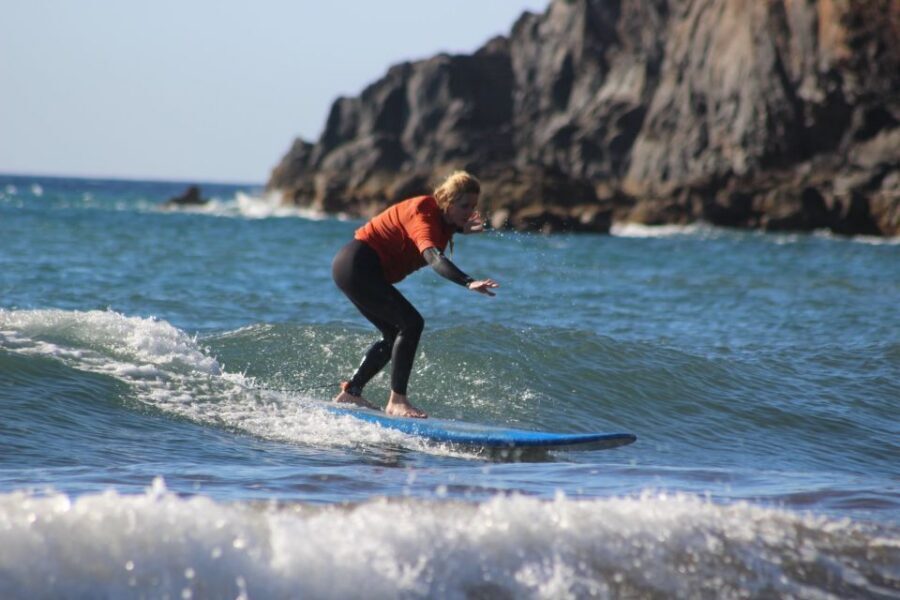
Most people think surfing learning is mostly about luck with the waves. In a good lesson, it’s not. The magic starts on land.
Before you hit the water, you’ll do a warm-up and get a technical demonstration on the beach. This is where you learn the stuff that makes the ocean feel less random: how to position your body, how to handle the board, and how to time yourself with the wave instead of guessing.
What I like here is that instructors don’t just talk. In past sessions with coaches like João (Johnny) and Kaja/Kaia, the teaching style described tends to be patient and encouraging—focusing on what you should do next on each attempt. You’ll also get safety guidance tied to what you’re about to do, not generic rules.
In the Water Off Madeira: Catching Your First Waves
Once you’re in the water, you’ll feel the difference between trying to surf alone and surfing with someone who actually watches what your body is doing.
The lesson is designed so you’ll catch waves even if you’re new. That’s not magic—it’s coaching timing. You practice, you get feedback, then you try again with a clearer plan. Many first-timers end up standing confidently after just a few hours, especially when the group isn’t too large.
You’ll also learn the ocean basics that keep you safe and help you progress:
- Where to position yourself so you’re not paddling forever
- How to approach waves in a way that gives you a shot at a ride
- What to adjust after a wipeout so the next attempt is better
One thing to prepare for: instructors may spend a long time in the water. That’s why you’ll see a lot of effort from them to stay alert while you’re learning in cold Atlantic conditions. It’s also why wetsuit fit matters—so get in there and make sure it feels right once you’re geared up.
Equipment, Insurance, and What You Should Bring
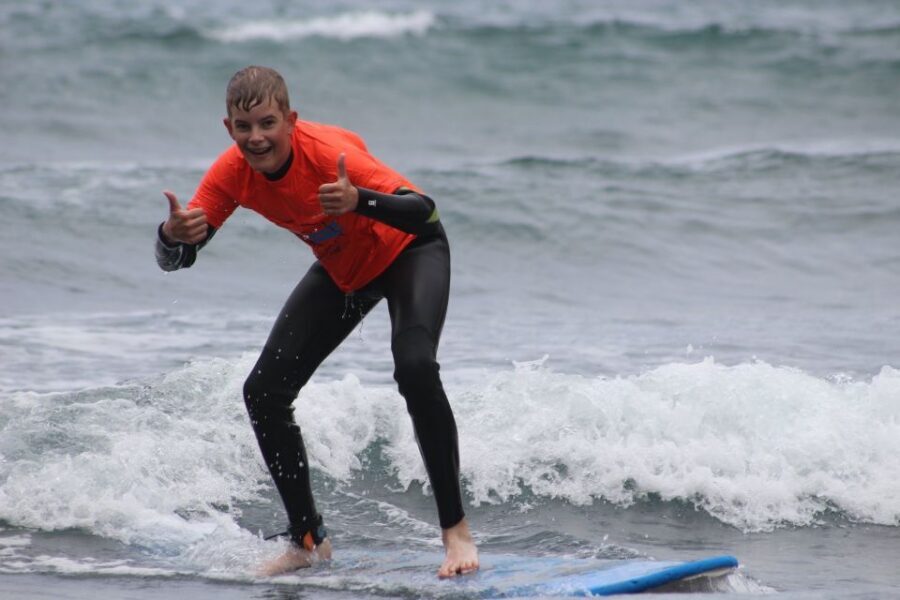
You don’t need to hunt for surf gear in Madeira. The lesson includes surfing equipment (like a wetsuit and surfboard) plus an instructor and insurance. Transportation is included too, so the whole experience is simpler than organizing a DIY surf day.
Still, you need to bring the basics that keep the lesson smooth:
- Comfortable shoes (you’re walking on sand and uneven ground)
- Swimwear
- A towel
- Snacks and water (food and drinks aren’t included)
- Sunscreen
- Anything you need to stay comfortable if the session starts earlier or runs in an afternoon slot
Practical tip: pack snacks that won’t melt in your bag. After 4 hours in the ocean, you’ll want energy and a drink, and the lesson won’t provide it.
A few more Madeira tours and experiences worth a look


Price and Value: What $100 Buys on Madeira
At $100 per person for a 4-hour lesson, the value comes from what’s included and what you’re trying to get out of it.
You’re paying for:
- Transport to the beach
- All equipment (so you don’t have to rent or buy)
- Insurance
- A real instructor who can correct your technique and keep things safe
That’s not the price of just playing in the ocean. It’s the price of buying time—time that beginners often waste on trial-and-error when they go without a guide. When instruction is effective, you get noticeable progress during the lesson window instead of just getting cold and exhausted.
If you’re a first-timer, this price can be especially worth it because you’re not just learning how to stand—you’re learning how to approach the water without panicking. If you’ve surfed before, it’s still valuable because someone watching your pop-up and wave approach can make small changes that improve your ride quality.
Group Size Reality: Great Teaching, Variable Numbers
One theme that pops up is that the coaching style can be strongly supportive. In some sessions, the group size described was small enough to feel like you had real practice time and enough coach attention—one experience noted about four students per instructor, which makes a difference when you’re still figuring out timing.
But group sizes aren’t fixed. One lesson mentioned a bigger group (10–11 people) after combining sessions due to a prior cancellation. In that case, if there are only two instructors, you may notice a little less individual attention.
So here’s the balanced way to think about it:
- If you get a smaller group, you’ll likely feel the feedback more directly
- If you get a larger group, you still should learn a lot, but the pace of “watch-you closely every attempt” may slow down
If you’re the type who wants maximum one-on-one, you might prefer booking when you can catch a smaller group size—though the exact number isn’t something you’ll know until the day.
Timing Around Tides and Weather: Plan for Morning or Afternoon
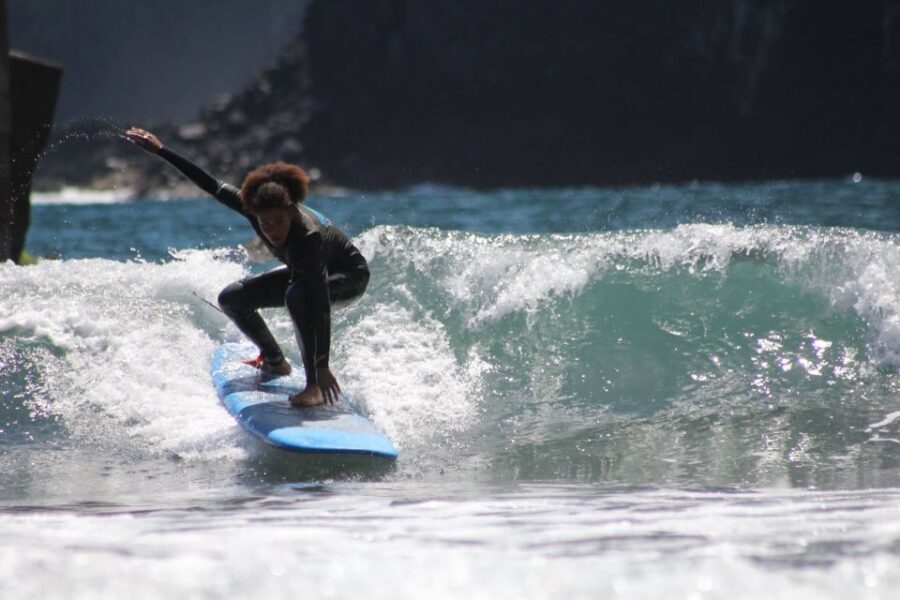
This lesson isn’t scheduled like a museum tour with fixed hours. Class times depend on tides, sea, and weather conditions, and sessions can run in the morning or afternoon.
That flexibility is actually part of the value. Good instructors don’t force conditions that don’t fit beginners; they adjust. The instructor will contact you to arrange the exact pickup time, so keep your phone accessible and plan to be flexible that day.
If you’re building a tight itinerary in Funchal, it helps to leave a little breathing room around your surf window. Surf sessions live and die by the sea.
Who Should Book This (and Who Might Want a Different Option)
This lesson is a great fit if:
- You’re a beginner and want to stand up quickly with coaching
- You want to surf real spots around Madeira without planning logistics
- You like structured teaching: warm-up, demo, then practice with feedback
It may be less ideal if:
- You dislike cold water (the Atlantic can be chilly even with a wetsuit)
- You want zero schedule changes and perfectly predictable timing (tides and weather affect the start time)
- You’re expecting a super-small group no matter what—group size can vary
Should You Book This Madeira Surf Lesson?
I’d book it if you want a straightforward, high-effort way to learn surfing on Madeira without the hassle of finding gear, studying local breaks, or guessing what conditions will work.
With included transport, equipment, and instructor-led coaching, the $100 price makes sense—especially because the lesson is built to help first-timers catch waves and improve within the 4-hour window. Just do yourself a favor and pack properly (towel, snacks, sunscreen) and accept that the sea controls the clock.
FAQ
How long is the Madeira surf lesson?
The lesson lasts 4 hours.
What does the surf lesson cost?
The price is $100 per person.
Where will we surf around Madeira?
Your instructor may take you to surf spots including Porto da Cruz, Machico, Praia do Seixal, and Praia de Machico.
What’s included in the price?
The experience includes transportation to the beach, surfing equipment (wetsuit, surfboard, etc), insurance, and an instructor.
What should I bring with me?
Bring comfortable shoes, swimwear, a towel, snacks, sunscreen, and water.
What languages are the instructors able to teach in?
Instructors speak German, Portuguese, and English.
What if the session can’t run due to tides or weather?
The lesson feasibility depends on tides and weather conditions. If your activity is cancelled, you’ll get a refund or can book an alternative date.