REVIEW · MADEIRA
Madeira Surfing Lessons – Aroundfreedom Surf School
Book on Viator →Operated by AroundFreedom · Bookable on Viator
Surfing in Madeira is easier than you think. This small-group lesson on volcanic sand pairs certified coaches with real time in the water, so first-timers can focus on standing up and more experienced surfers can work on technique. You’ll also have the option of hassle-free pickup around Machico, Caniço, and Funchal.
What I like most is the way the lesson is built to keep you moving: a short theory + warm-up (about 15–30 minutes) and then 1h30 in the water. The other standout is the coaching style—patient, safety-minded, and very hands-on, with instructors like Roberto and Francisco showing up as calm, clear, and encouraging on the beach.
One consideration: the surf spot can shift based on conditions, so you’ll want to stay flexible with timing and location that day.
In This Review
- Key points you’ll care about
- Where Madeira surf lessons really shine: volcanic sand and real coaching time
- Price and value: what you’re really paying for
- Getting to the beach: meeting in Machico, or using pickup
- What the 2-hour lesson looks like, step by step
- Coaches, safety, and the small-group advantage (Roberto and Francisco)
- What’s included (and what you should bring) for a smooth ocean day
- Beach changes and timing: how to stay flexible when the ocean decides
- Who should book this lesson, and who may want a different fit
- Should you book Aroundfreedom Surf Lessons in Madeira?
- FAQ
- How long is the Madeira surfing lesson?
- Is this lesson suitable for beginners?
- What gear is included?
- What should I bring?
- Where do we meet for the lesson?
- Is pickup and drop-off available?
- What happens if weather or surf conditions aren’t good?
Key points you’ll care about
- Small groups (max 8) for more coaching time and fewer long waits
- Theory + warm-up, then 1h30 surfing with board, wetsuit, and leash provided
- Coaches certified through the Portuguese Surf Federation (FPS) and IPDJ
- Instruction runs across Madeira’s volcanic-sand beaches (spot may change with surf)
- Optional pickup/drop-off costs extra, and the lesson meeting point is in Machico
Where Madeira surf lessons really shine: volcanic sand and real coaching time
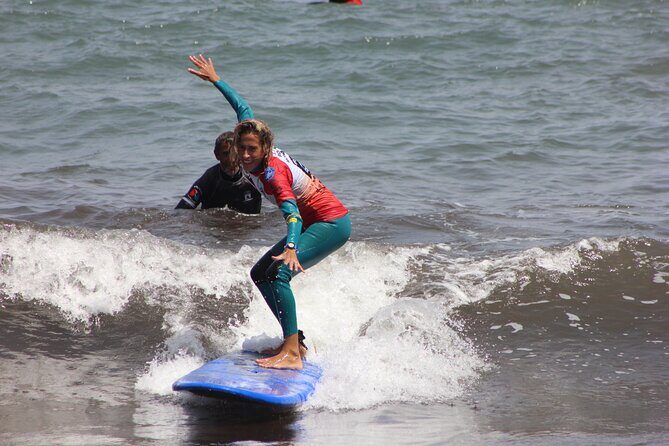
Madeira is the kind of place where the ocean doesn’t feel like a background activity. The island’s beaches are volcanic sand, which matters because it changes the “feel” underfoot once you’re geared up and wading out. It also means your first attempts won’t be on some flat, cookie-cutter shoreline. You’re learning surf in conditions that actually resemble what you’ll face on future trips.
The best part, though, is the format. This isn’t a long lecture course that ends with one rushed wave. You start with a theoretical session and warm-up, then you move to the water for the bulk of the time. That’s a smart trade for beginners: you get enough explanation to stop guessing, and you still spend most of the session on your main goal—catching waves.
The coaching reputation you’ll see is consistent: instructors slow down for fundamentals, give individual advice, and keep things safety-first. Even if you’re the type who gets nervous in the ocean, the tone tends to be patient and confidence-building. And if you’re already surfing, you’ll still get technique prompts instead of just being thrown into the set.
Other surf lessons we've reviewed in Madeira
Price and value: what you’re really paying for
The price is $72.56 per person for about 2 hours. On paper, that sounds like a short session—but you’re not just renting gear for a quick swim. You’re getting a structured lesson with:
- a certified coaching team
- board, leash, and 3/2mm wetsuit
- insurance
- about 1h30 of water practice
That “water time” is the value engine here. Surf lessons are only worth it when you’re actually on the board and trying again. With a small group capped at 8 travelers, you’re less likely to spend the session waiting for your turn.
There’s also the optional transfer piece. If you want pickup/drop-off service, it costs €10 per person per day and the pickup point is at Av. Sá Carneiro near the CR7 museum, about 1 hour before the activity. You can also skip that and meet at the school’s base.
So the real decision isn’t only the $72.56. It’s whether you want extra convenience from central hotels/areas. If you’re staying in or near Machico (where the meeting point is), skipping pickup can keep the cost sensible.
Getting to the beach: meeting in Machico, or using pickup
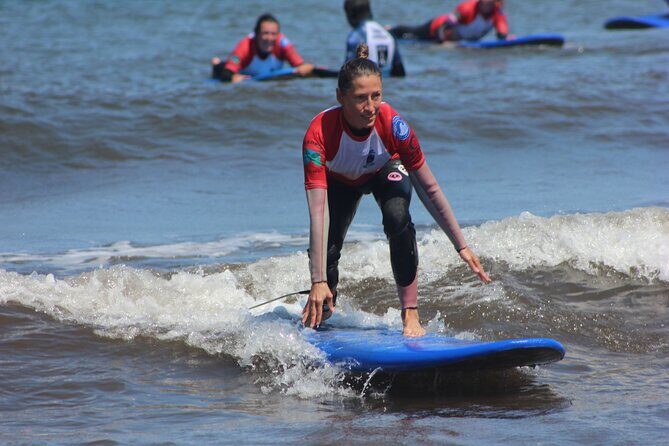
Your default meeting point is Caminho de São Roque, 9200 Machico, Portugal. This is nice if you’re already on the east side of Madeira because you’re not burning half the lesson just to get to the shoreline.
If you need pickup/drop-off, confirm it ahead of time. The pickup is described as €10 per person per day, with pick-up at Av. Sá Carneiro near the CR7 museum about 1 hour before the activity. That’s a clear plan, and it helps you avoid stress on a timetable that already depends on ocean conditions.
One practical note: the lesson ends back at the meeting point. So even if you start with pickup, your day still “snaps back” to that Machico base point when you’re done.
What the 2-hour lesson looks like, step by step
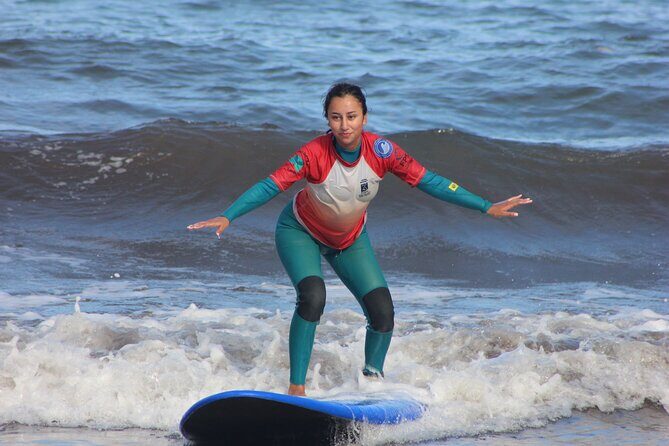
You can expect a smooth flow, because the schedule is built around surf learning rather than just showing up at the beach and hoping for the best.
1) Theory session (and warm-up)
Before you hit the water, you’ll do a short theoretical part plus warm-up—about 15–30 minutes. This is where you learn the basics that keep you from wasting your energy. For beginners, it usually means understanding how to position yourself on the board, how to handle the wipeout risk without panic, and what to listen for so you’re not overthinking every movement.
2) Water practice for about 1h30
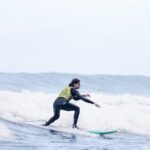
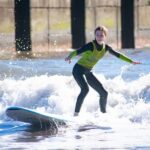
The heart of the lesson is 1h30 in the water. That’s when you’ll be on the board, trying the techniques you learned, and getting course-corrected in real time. The surf school structure is designed to keep you from standing around. With a max group size of 8, your instructor can watch what your body is doing—then correct it.
3) Surf conditions can shift the location
The beaches used can be on the north-eastern, south-eastern, or north coast parts of Madeira, and the exact spot can change depending on surf conditions. If that happens, the updated schedule is confirmed the day before through Viator and WhatsApp or phone.
This last part matters. Good surf lessons don’t force everyone into the same spot no matter the conditions. Your day still fits the 2-hour container, but the beach choice adapts to what’s workable.
Coaches, safety, and the small-group advantage (Roberto and Francisco)
The strongest praise you’ll see around this surf school is about the instructors. Names like Roberto and Francisco come up again and again, often described as patient and willing to slow down for first-timers. That’s exactly what you want for your first lesson, because the “hard part” isn’t just standing up—it’s doing it without fear taking over your decisions.
There’s also a clear safety mindset. One recurring theme is not taking unnecessary risks and sticking to a plan. In surfing, that means you’re taught what behavior is dangerous, and you’re guided to avoid the common mistakes that lead to bad falls or bad outcomes.
The small-group setup helps a lot. With a group that can be up to 8, the instructor can:
- give individual advice instead of one blanket explanation
- watch your stance and timing
- help you get into the water with less confusion
And yes, this kind of attention makes a difference fast. When coaching is close, beginners often start to stand up within the lesson window, and more advanced surfers can still refine technique without feeling ignored.
A few more Madeira tours and experiences worth a look


What’s included (and what you should bring) for a smooth ocean day
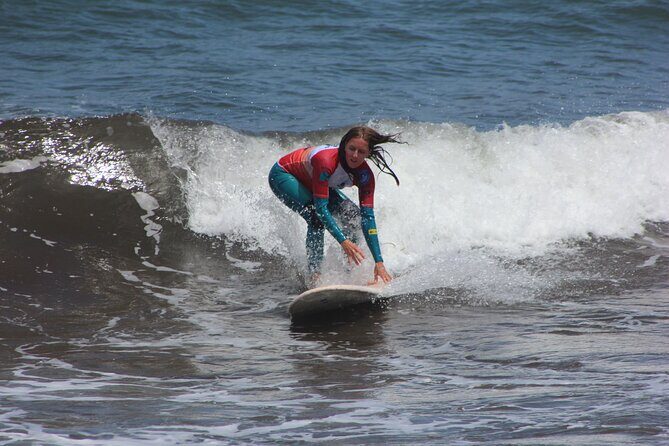
The surf school covers the big items. Included gear is:
- surfboard
- wetsuit (3/2mm)
- leash
- insurance
- certified surf coaching
So you don’t need to shop for wetsuits or chase down board rentals.
What you should bring:
- swimsuit/bikini or board-shorts
- towel
- hat and sun protection
- adequate shoes
- water
- a light meal/snack
That last part isn’t glamorous, but it’s smart. You’re doing physical work, out in sun and wind, and you’ll be focused on your waves. A snack helps if you get hungry before or after the water time.
Also, bring a mindset that you’ll be in and out of gear fast. Wetsuits take a few minutes to settle, and you’ll want to spend energy on surfing, not fiddling.
Beach changes and timing: how to stay flexible when the ocean decides
Even the best lesson plan can’t control waves. This school openly builds that reality into your day. They choose beaches across Madeira’s north and east sides, typically on volcanic sand, and they can change your surf spot if conditions don’t match beginner needs.
If a spot change happens, you get confirmation the day before via Viator and WhatsApp or phone. That’s the right timing: you’re not waking up guessing.
So here’s how you handle it well: keep your morning and early afternoon simple. Don’t stack tight plans right around the lesson window. If you’re relying on pickup, make sure your contact details are correct so messaging reaches you.
And expect the ocean to set the tone. If conditions are strong, beginners might get fewer “standing waves” and more learning reps. If conditions are perfect for your level, you’ll likely feel like the whole lesson clicks.
Who should book this lesson, and who may want a different fit
This lesson is described as suitable for beginner to more advanced surfers. That range is important. Beginners get guidance for fundamentals, while more experienced surfers can still learn and adjust technique rather than repeating the exact same intro steps.
You should feel comfortable booking if:
- you’re new to surfing and want a structured first experience
- you want a small-group lesson with close instructor attention
- you can handle moderate physical activity
It’s also a good choice if you like the practical side of travel—show up, get geared, learn, then get out. You’re not paying for a long day with lots of waiting.
You might want to think twice if:
- you hate schedule changes tied to weather and surf conditions
- you want a lesson that guarantees a specific beach view every time (the spot can change)
Should you book Aroundfreedom Surf Lessons in Madeira?
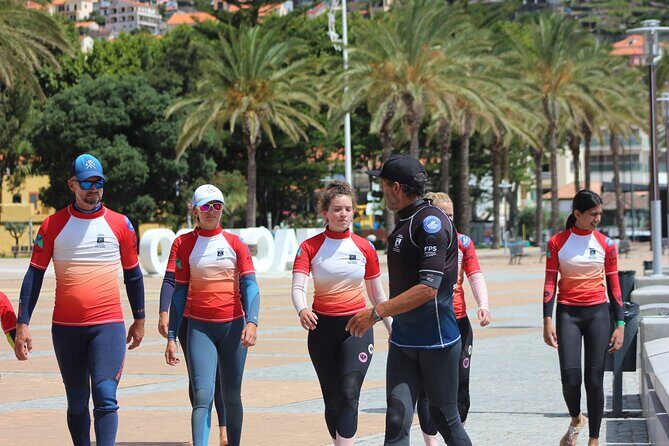
If you’re coming to Madeira and you want one activity that’s both fun and skill-building, I’d put this near the top of your list. The value is clear in the structure: short theory, lots of water time, small group size, and gear included. That combination is how you get past the awkward stage quickly.
Book it if you want first-class basics with patience, especially if instructors like Roberto or Francisco being described as supportive matches your learning style. Also book it if you’re staying around Machico or you’re happy to pay the €10 per person pickup option for convenience.
Skip it or swap plans if you’re the kind of traveler who needs everything locked to a single location regardless of the ocean. Here, the beach choice follows the waves—and that’s usually a good thing.
FAQ
How long is the Madeira surfing lesson?
It runs for about 2 hours (approx.), with a short theoretical session and warm-up, then about 1h30 of water practice.
Is this lesson suitable for beginners?
Yes. The classes are suitable for beginner to more advanced surfers, and they’re described as accessible for all levels of learning.
What gear is included?
You get a surfboard and leash, plus a full wetsuit (3/2mm). Insurance is also included.
What should I bring?
Bring a swimsuit or board-shorts, a towel, hat, sun protection, adequate shoes, water, and a light snack or meal.
Where do we meet for the lesson?
The meeting point is Caminho de São Roque, 9200 Machico, Portugal. The lesson also ends back at this meeting point.
Is pickup and drop-off available?
Pickup/drop-off is available for an added cost of €10 per person per day. You’re picked up at Av. Sá Carneiro near the CR7 museum about 1 hour before the activity.
What happens if weather or surf conditions aren’t good?
The activity depends on weather and surf conditions. If it’s canceled due to poor weather, you’ll be offered a different date or a full refund. The schedule can also change depending on conditions.