REVIEW · MADEIRA
Madeira Surf Classes in Portugal
Book on Viator →Operated by Calhau Surf School · Bookable on Viator
Surfing in Madeira gets real fast.
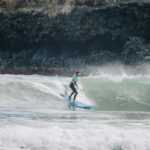
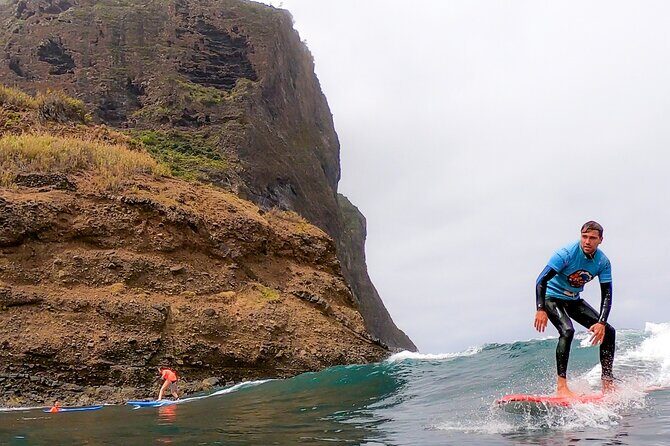
This Madeira surf class is built for first-timers and improves your odds of actually standing up, not just watching from shore. What makes it especially interesting is the way the timing and even the beach can shift based on tide and sea conditions, so you’re surfing when the ocean allows it.
I like two things right away: the promise you’ll be on a board during your first session, and the hands-on coaching from local guides like Filipe, Augusto, and Rodolfo. With a maximum group size of 6, feedback stays personal, and the lesson is structured so beginners aren’t left to figure it out alone.
One possible consideration: you’re not in full control of the exact meeting spot or time on the day—sea conditions can mean a beach change, and you confirm details by WhatsApp the day before.
In This Review
- Key highlights to know before you go
- Why Madeira’s surf class feels like a smart first step
- How the 3-hour session actually runs (and why tide matters)
- Meeting point basics: Rua da Praia in 9225
- Gear, insurance, and photos: what’s included and what isn’t
- What you should bring: the list that actually matters
- Coaching that targets the waves, not just the theory
- Machico and Porto da Cruz: why changing spots can be good
- Safety, crowding, and the difference between “staff in the water” and “staff watching”
- Price and value: is $84.33 really fair?
- Who this surf initiation fits best
- A few practical tips to make your first surf lesson easier
- Should you book Madeira Surf Classes with Calhau Surf School?
- FAQ
- How long is the surf class in Madeira?
- How much does the Madeira surf class cost?
- What language is the surf class offered in?
- What’s included in the lesson?
- What should I bring with me?
- Where do I meet the surf school?
- When will I know the exact meeting time and place?
- Can beginners participate?
- What if the weather is poor?
- Is transportation or snacks included?
Key highlights to know before you go
- Up to 6 people: you get more moments with the instructor, not just a quick safety talk
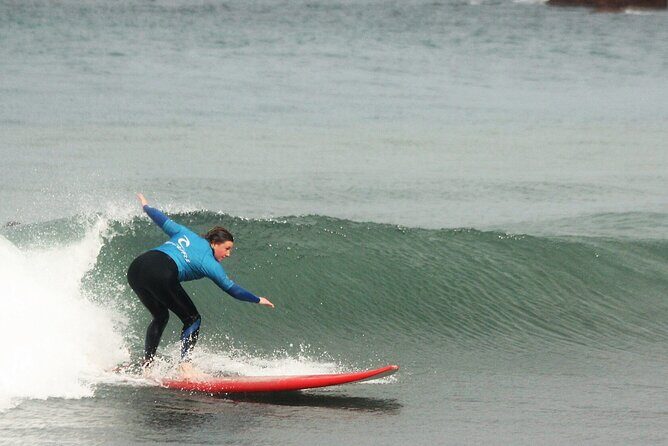
- 2 hours in the water inside a 3-hour total experience window
- Beach and timing can change based on tide and surf conditions
- Gear + surf suit + surfboard included, plus insurance and photos when conditions allow
- Beginner-friendly with a real goal: you should be standing during the lesson
- Photos are part of the deal, so you can focus on surfing instead of filming
Why Madeira’s surf class feels like a smart first step
Madeira isn’t a “learn surfing somewhere generic” kind of place. The island’s coast can be serious, and that’s exactly why a surf initiation makes sense here: you’re not just paying for fun, you’re buying guided reps in the right conditions.
The big reason I like this setup is how it manages risk while still keeping the vibe playful. You’re placed with coaching that’s meant for your level—beginner, intermediate, or advanced—and the instructors guide you through technique without making it feel like a classroom.
And because the timing follows the ocean, the lesson tends to work better than rigid schedules. When tide and surf line up, you spend more time practicing on usable waves instead of wrestling for scraps.
A few more Madeira tours and experiences worth a look
How the 3-hour session actually runs (and why tide matters)
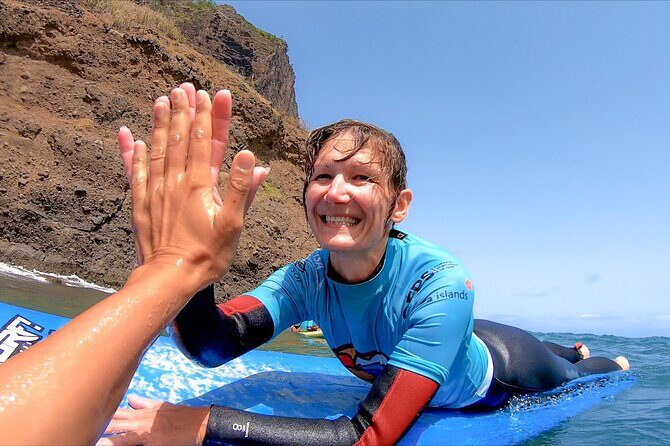
The total experience is about 3 hours, with 2 hours devoted to the actual lesson. In a perfect world, you’d just show up at a fixed hour and surf from the first minute. Here, the plan is more practical: the confirmation of lesson time and meeting place happens 1 day in advance via WhatsApp, and the exact timing can be adjusted based on sea conditions and tide.
That matters because surfing is timing-dependent. The difference between a good beginner wave set and a frustrating one can be an hour, sometimes less. By building your day around what the ocean is doing, the school increases your chance of feeling successful early—especially important if it’s your first time.
You also should expect that they may need to change beaches if conditions aren’t workable at the planned location. It’s not a trick or a bait-and-switch. It’s part of how they keep the session safe and effective.
At the end, the activity returns you back to the meeting point, so you’re not left wondering how to get yourself back to town.
Meeting point basics: Rua da Praia in 9225
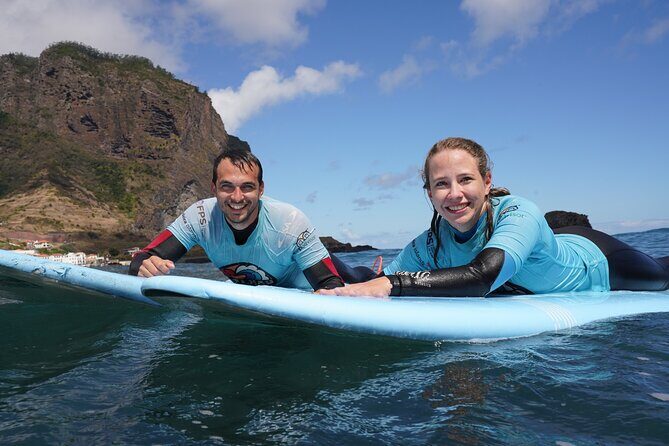
Your meeting point is Rua da Praia, R. da Praia, 9225, Portugal. It’s the kind of location that’s simple to find once you’re there—just head to the beach area, meet your guide, and get your gear.
The school runs daily within listed hours (8:00 AM to 6:30 PM, Monday through Sunday). Your exact lesson slot comes from the WhatsApp message sent the day before, since the sea has the final say.
If you’re staying in Madeira and relying on public transport, give yourself a little time buffer. Surf classes can start close to the window when conditions look best.
Gear, insurance, and photos: what’s included and what isn’t
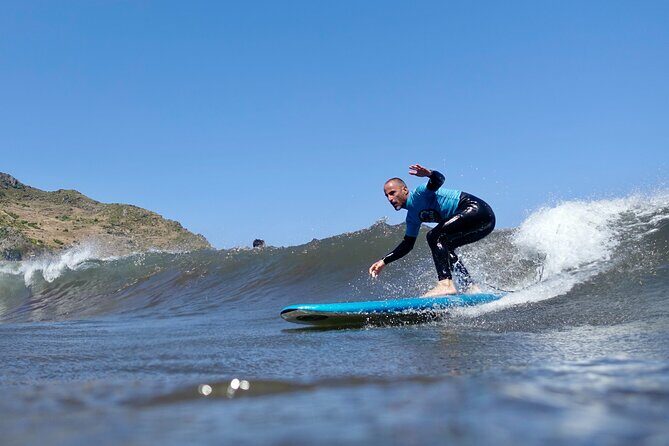
This is one of the more straightforward “included everything” surf setups I’ve seen for a beginner-oriented class. You get:
- Surfboard
- Surf suit
- Insurance
- Photos (assuming weather allows and there are no technical problems)
- A guide with you throughout
What’s not included is also clear:
- Private transportation
- Snacks
Here’s how I’d think about the value. You’re paying for more than boards and wetsuits. You’re paying for local judgment: where to take you, when to take you, and how to adjust instruction for real bodies in real water. Insurance and photos remove two usual headaches—what if something goes wrong, and how do you get proof you were there?
And since photos are included when conditions allow, they can be a big part of why the memory lasts. You’ll be too busy concentrating on technique to film everything anyway.
What you should bring: the list that actually matters
You don’t need much, but the “small” items make a big difference once you’re in the surf suit.
Bring:
- Swimsuit/bikini to wear under the surf suit
- Beach towel
- Sunscreen
- Water
That’s it for essentials. I’d add one practical mindset: keep sunscreen and water accessible before you start, because once you’re in the ocean, you won’t want to hunt for them mid-session.
Also, the lesson is weather-dependent. If the day is cooler or breezy, you’ll feel it more than you expect—so sunscreen still matters, and staying hydrated matters even when you don’t feel “thirsty.”




Coaching that targets the waves, not just the theory
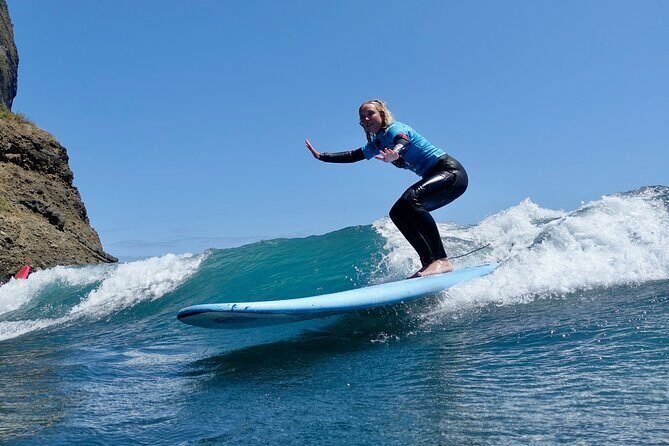
A big part of why this class earns such strong ratings is how consistently instructors talk people through the hard parts: positioning, balance, wave timing, and what to do when you miss.
You’ll likely hear names like Filipe, Augusto, and Jonathan during lessons, and the team includes people focused on both coaching and safety. Rodolfo also shows up in conversation in the way the school communicates and supports surfers, especially around choosing waves and understanding conditions.
The common thread: instructors stay active in the water and give feedback while you’re still learning. That’s the difference between a surf lesson that feels like a tour and one that actually helps you improve.
They also seem to adjust quickly when the spot gets crowded. One review highlighted an issue with other surfers/board renters standing where they shouldn’t, and the instructor handled it to keep the session safe. That tells me the school isn’t just teaching technique—they’re managing the environment too.
Machico and Porto da Cruz: why changing spots can be good
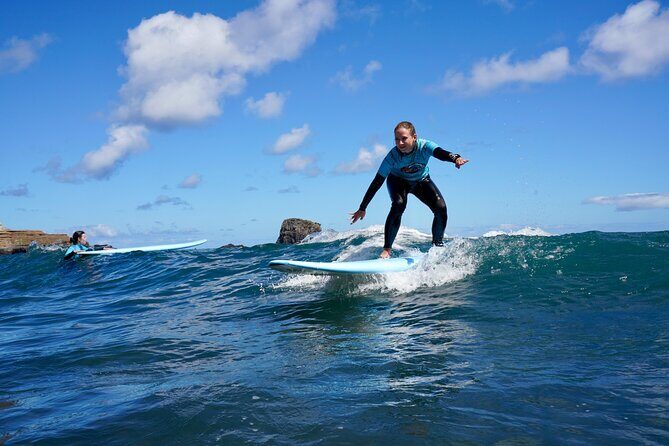
Two surf areas come up around this school: Machico and Porto da Cruz. The key detail is that you shouldn’t treat them like interchangeable scenery. Different bays and breaks can give different wave shapes and experiences.
What you gain from having the beach chosen based on sea conditions is simple: you’re more likely to be matched to waves that help you learn. Beginners especially benefit when you’re not stuck trying to ride wave types that are too strong or too chaotic.
Even if you arrive hoping for a specific spot, the better outcome is usually a session that matches the conditions of the day. If the school decides a beach shift is needed, it’s usually to keep the lesson within a safe range and still fun.
Safety, crowding, and the difference between “staff in the water” and “staff watching”
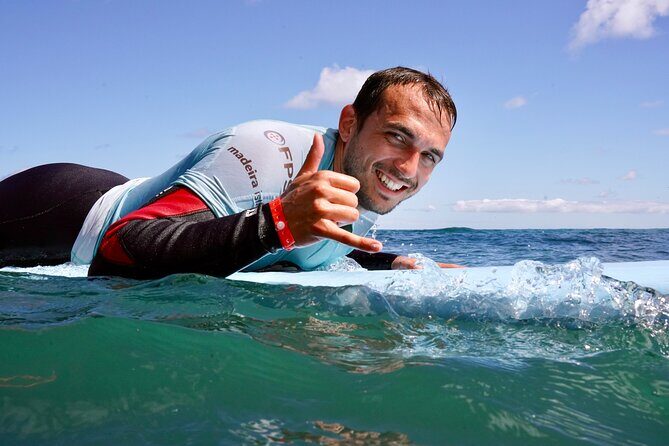
Surf schools often say they have lots of staff. What matters is whether they’re actually watching the right things: surfers’ paths, who is in the lineup, and whether a beginner is struggling.
In the best sessions, you feel this as close coaching. You get help in the moment, corrections when something is off, and the kind of reassurance that stops panic from taking over.
In your decision-making, keep one reality in mind: conditions can change fast. If you’re a total beginner, ask yourself if you want a group lesson or whether you’d feel better with more personalized attention. This class is small—max 6—but it’s still group learning.
That’s the main “consideration” angle. If conditions turn more intense than you expected, you may want an instructor focused on you more than the group.
Price and value: is $84.33 really fair?
At $84.33 per person for about 3 hours total (with 2 hours of instruction), this class is priced like a serious activity, but not an outlandish one—especially because it includes what many lessons charge extra for.
You’re getting:
- surfboard + surf suit
- insurance
- guide support
- photos, when weather allows
The big value is that you’re buying structure and local know-how, not just renting equipment. If you’ve ever tried to “DIY surf” even once, you know how quickly costs add up: gear, a lesson, and then a wasted day if the waves don’t cooperate.
Here, the schedule flexibility (tide, sea conditions, possible beach changes) is also part of the value. It’s not convenient, but it often improves how well your session goes.
One thing to plan for: transportation to Rua da Praia and any snacks are on you. If you’re budgeting your day, treat this as an add-on to your Madeira plans, not a full-day tour package.
Who this surf initiation fits best
This class is built for most travelers, and the promise is clear: you should be on a board during your first lesson. That makes it a great choice if you want a first taste of surfing without overthinking gear or logistics.
I’d especially recommend it if:
- you’re a beginner who wants direct guidance in the water
- you want a fun group vibe but still want real feedback
- you care about photos because you’ll want the memory captured
- you’re traveling with limited time and want a 2-hour coached session
It may be less ideal if:
- you’re extremely anxious about surf conditions and need one-on-one reassurance
- you’re counting on a single, exact beach location and can’t handle the chance of a change
A few practical tips to make your first surf lesson easier
1) Arrive ready in your swimsuit under your surf suit.
You’ll save time and feel less flustered once you’re getting geared up.
2) Bring sunscreen you’ll actually use.
Even when it looks mild, ocean time dries you out and sun sneaks up.
3) Pack water like it matters.
You don’t always feel thirsty during surf, but you still lose fluids and energy.
4) Listen for your coaching cues, then watch the ocean.
Good instruction works best when you connect it to what the waves are doing right then.
5) Don’t compare yourself to others.
In a small group, you’ll still see different progress rates. That’s normal. The instructors are working with your level.
If you go in with that mindset, you’ll get the “I can do this” feeling the lesson is designed to create.
Should you book Madeira Surf Classes with Calhau Surf School?
If you want a beginner-friendly surf initiation that takes safety seriously, keeps groups small, and includes the real essentials (board, suit, insurance, guide, and photos when possible), I’d book it.
I especially think it’s a good fit when you like structure but also understand the ocean won’t always cooperate. The WhatsApp confirmation and possible beach changes aren’t annoying if you see them as part of how you end up surfing the right conditions.
Just go in with one head check: be flexible. Tide and sea conditions guide the day. If you can roll with that, you’ll likely leave feeling like you did more than just try surfing—you actually learned.
FAQ
How long is the surf class in Madeira?
The total experience is about 3 hours, with approximately 2 hours dedicated to the lesson.
How much does the Madeira surf class cost?
The price is listed as $84.33 per person.
What language is the surf class offered in?
The class is offered in English.
What’s included in the lesson?
Included are the surfboard, surf suit, insurance, and photos (unless weather doesn’t allow it or there is a technical problem). A guide is also included.
What should I bring with me?
Bring a swimsuit or bikini to wear under the surf suit, a beach towel, sunscreen, and water.
Where do I meet the surf school?
The meeting point is Rua da Praia, R. da Praia, 9225, Portugal. The activity ends back at the meeting point.
When will I know the exact meeting time and place?
The confirmation of the time and place is made 1 day in advance by message on WhatsApp.
Can beginners participate?
Yes. The class is designed for beginners, intermediate, and advanced surfers, and you should be on a board during your first class.
What if the weather is poor?
If the activity is canceled due to poor weather, you’ll be offered a different date or a full refund.
Is transportation or snacks included?
Private transportation and snacks are not included.