REVIEW · MADEIRA
Madeira: Surf Lessons for All Levels
Book on GetYourGuide →Operated by Madeira Calhau Surf School · Bookable on GetYourGuide
Hook lines first: learning surf here is fast and friendly. I like the small-group setup (max 5) and the way coaches tailor drills to your level, from first-timers to people sharpening their technique. It’s also the kind of session where you leave with real confidence, not just a standing-on-a-board photo.
Two more things I really like: the school is certified through the Portuguese Surfing Federation and supported by local authorities, so safety and instruction aren’t an afterthought. And the facilities are practical, with a changing room right at the beach plus a freshwater shower at the end.
One drawback to plan around: the ocean decides the exact timing. Start times are indicative, and you must confirm the final time and location with the team by 8:00 PM the day before (usually via WhatsApp), because tides and swell forecasts drive everything.
In This Review
- Key things that make this surf lesson work
- Porto da Cruz: a logical starting point for learning Madeira surf
- Meeting at Vila Bela and getting kitted out with purpose
- The 3-hour flow: how you go from instructions to real waves
- How they teach all levels without leaving beginners behind
- Certified coaching, safety, and why the “who” matters
- Equipment, facilities, and the little comfort wins
- Photos, optional analysis, and turning chaos into memory
- Weather, tides, and why you’ll check WhatsApp the night before
- Who should book this surf lesson in Madeira, and who should skip it
- Should you book? My take on value and fit
- FAQ
- How long is the total surf experience?
- How many people are in each group?
- What’s included in the price?
- What should I bring?
- Does the lesson run only in good weather?
- Is transfer included from hotels or elsewhere?
- Where do I meet for the lesson?
- Do I need to confirm the time and location?
Key things that make this surf lesson work
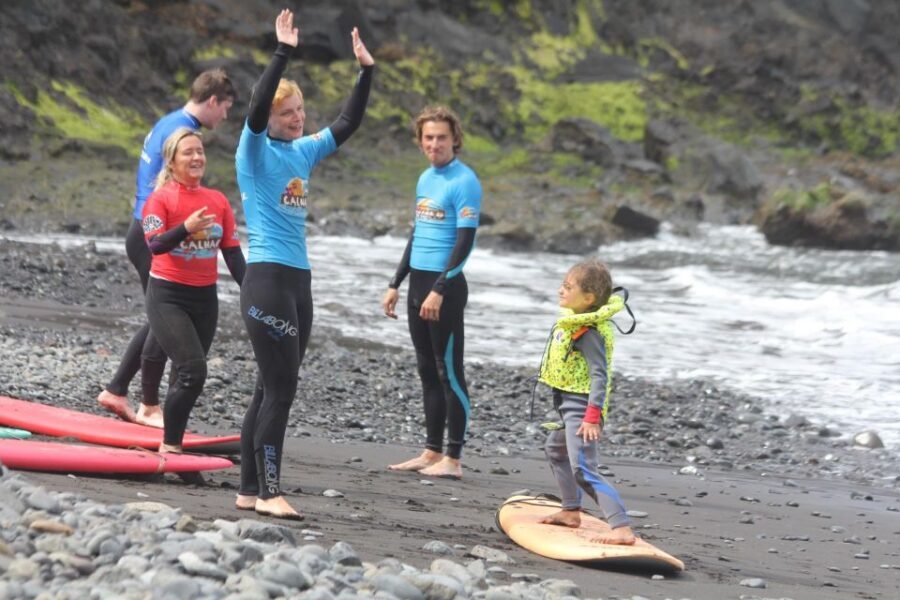
- Max 5 participants per instructor so you actually get coached in the water
- Federation-certified teaching with a strong emphasis on safety and equipment know-how
- Level-matched programs for beginners, intermediates, and advanced surfers
- Beach-based facilities including a changing room and freshwater shower after
- High-quality surf gear (board, wetsuit, leash) plus insurance included
- Photos included to help you remember the session and spot what you did right
Porto da Cruz: a logical starting point for learning Madeira surf
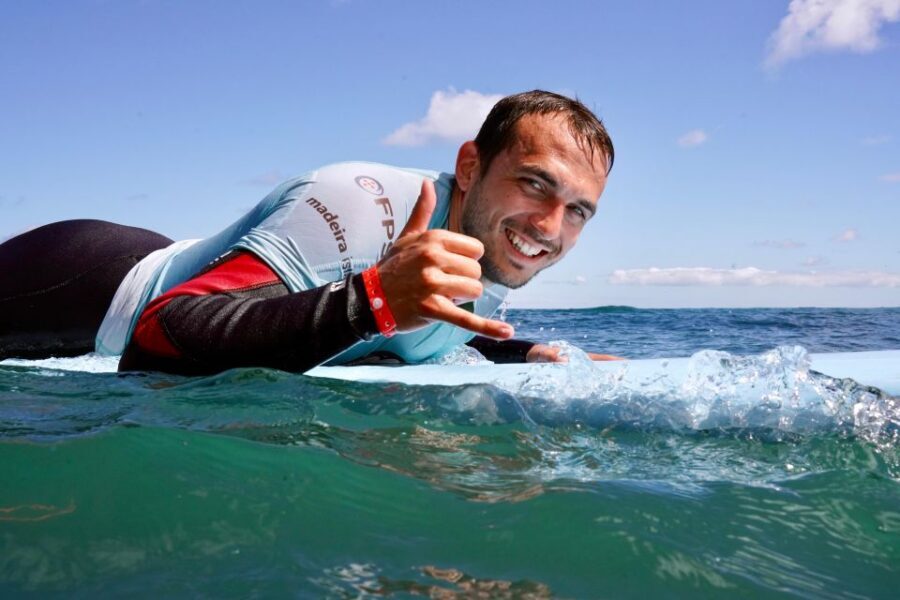
Madeira’s coast has a reputation for being dramatic, and that’s exactly why it can be such a good place to learn. On this lesson, the focus isn’t on showing off. It’s about controlling the basics: reading the water, staying safe, and getting repetition so your body learns the right movements.
You’ll meet at the hotel Vila Bela reception in Porto da Cruz. That matters more than you might think, because a surf lesson lives and dies by timing. When your meeting point is clear and close to the water, you spend less time shuffling around and more time actually in a wetsuit.
Also, this school runs training in all weather conditions. Rain or shine, you still get the full session rhythm: prep, warm-up, then the practical work in the sea. That’s helpful because it trains you for real surf conditions, not a perfect-sky fantasy version of the sport.
Other surf lessons we've reviewed in Madeira
Meeting at Vila Bela and getting kitted out with purpose
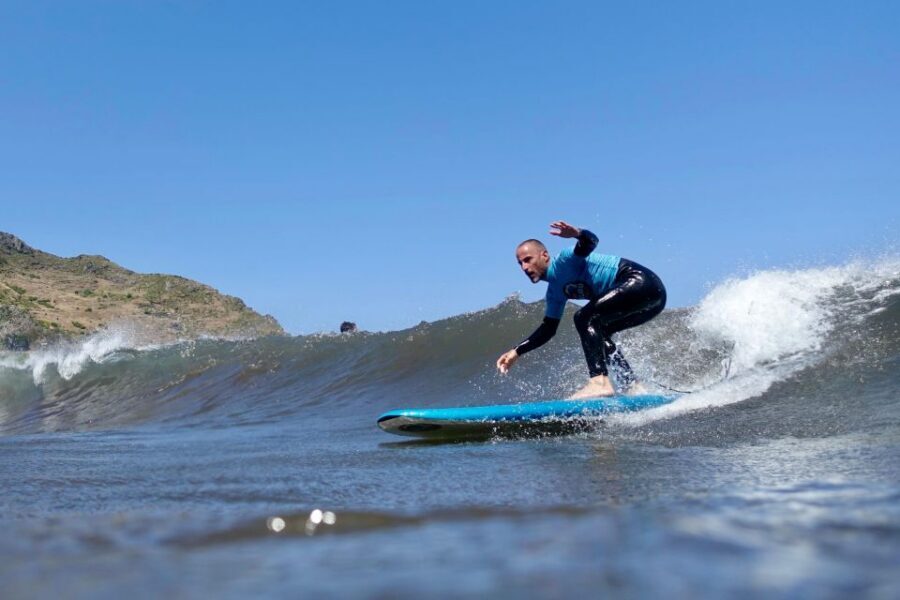
The session is built around a tight 3-hour block that includes a 2-hour surf lesson. Before you hit the water, expect setup and a security briefing. That’s not just paperwork. In good surf schools, it’s where you learn the rules that keep you from panicking when the water gets busy.
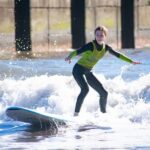
You’ll be provided with the big-ticket equipment: surfboard, wetsuit, and leash. Since you’re learning, having gear that’s properly set up helps you focus on technique instead of fighting the board. The school also uses best-quality surf brands and equipment, which usually translates into less fiddling and more time practicing.
There’s changing room access at their beach facilities, and after your session you can rinse off with freshwater shower. Bring a towel from outside the lesson if you want to dry comfortably; towels aren’t included. If you forget, you’ll still manage, but you’ll feel rushed at the end. Surf days are already tiring.
The 3-hour flow: how you go from instructions to real waves
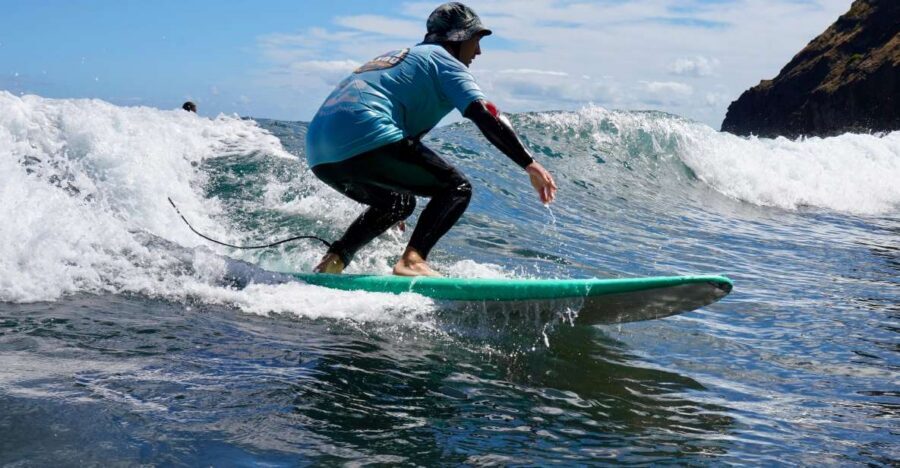
The whole experience is about three hours. Within that, you get a 2-hour surf lesson plus time for preparation and technical explanation. The key is that the technical part isn’t separate from the water. It’s tied to what you’re about to do next.
Before you get in, there’s a warm-up and a beach explanation. This is where instructors often break down the mechanics of standing up, controlling your board, and timing your attempt. One instructor named Jonathan is praised for explaining clearly before anyone goes in. That pre-water step helps you get your bearings fast, because surfing is confusing enough without guessing what you should be doing.
Once you’re in the water, expect coaching that focuses on practical actions:
- how to catch waves,
- when to attempt standing,
- what to fix mid-ride,
- and how to respond to changing sea conditions.
The teaching model includes getting you involved with the environment: how weather affects your surf day, how tides matter, and what safety measures to follow. In other words, you’re not just learning how to stand. You’re learning how to survive and improve within real conditions.
How they teach all levels without leaving beginners behind
What makes this school feel like a good value is the way they handle mixed ability. The session is limited to small groups, and the instructors adapt coaching to your skill level during the lesson. That means you’re not stuck doing the same drill everyone does, regardless of whether you’re brand new or already catching waves.
If you’re a first-timer, the goal is simple: you should be able to stand on your board during the first lesson, safely and in a fun way. That promise isn’t just about luck. A common theme in the feedback is patient instruction and lots of encouragement, paired with coaching that helps you time your stand.
If you’re beginner to intermediate, you’ll typically spend more time on technique: body position, turning, and reading wave shape. Several people describe the instructors as patient and quick with tips during the session, especially for catching the right waves and adjusting your stance.
If you’re more advanced, you still benefit from structured feedback. The school’s approach includes technical knowledge of equipment and surf technique work. Some lessons even include optional photo analysis if the minimum number of students is reached, which can help you compare what you’re doing versus what you meant to do.
In short: you’re not paying just to get thrown in the water. You’re paying for structured practice with real feedback.
Certified coaching, safety, and why the “who” matters
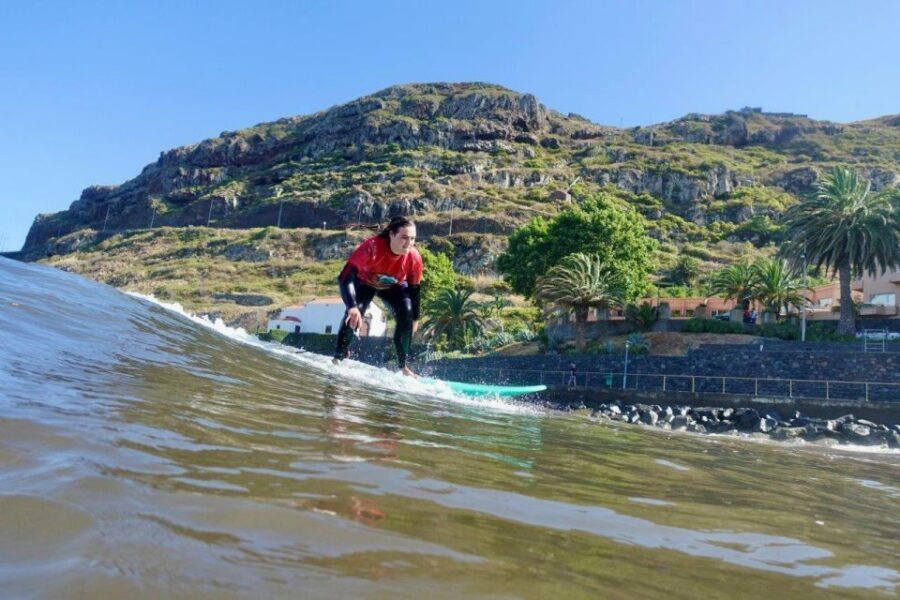
The instructors are certified through the Portuguese Surfing Federation, and the school is also recognized by Portuguese Tourism Bureau and the local Port Authority. That’s a big deal because surf safety is not optional. The ocean can be unforgiving, even on a good day.
In practice, this shows up as a security briefing and a teaching style that prioritizes what you need right now. People mention instructors like Rodolfo, Augusto, Jonathan, and Milton by name, often highlighting how patient they were and how they explained what mattered before corrections started.
From a learner’s perspective, that combination is gold:
- You get safety rules early.
- You learn how to move safely with your board.
- You get in-water coaching focused on the next step.
Also, insurance is included. It’s not the thing you want to think about, but it’s part of why this feels more “real school” than casual surf group.
A few more Madeira tours and experiences worth a look


Equipment, facilities, and the little comfort wins
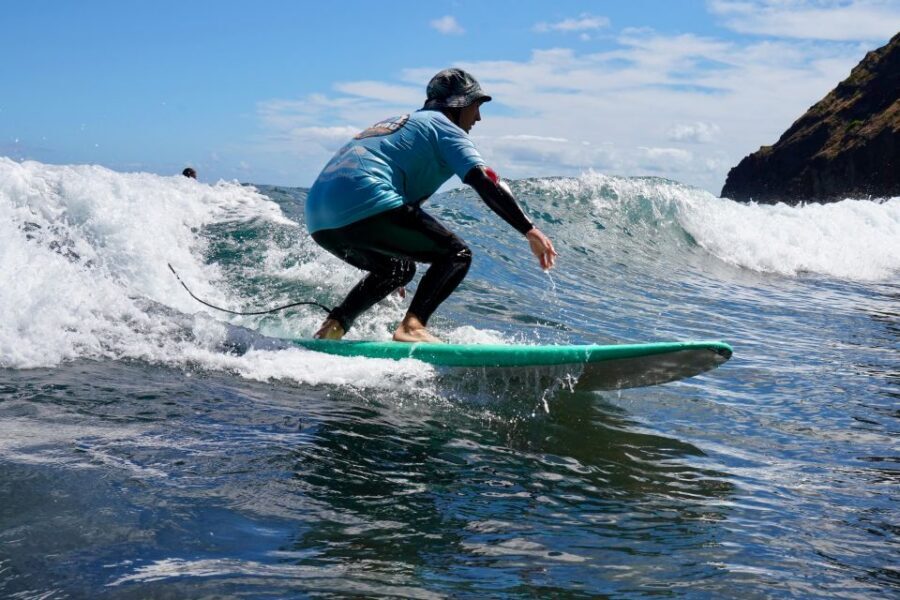
Surf lessons are usually a trade-off between effort and convenience. Here, the convenience wins are real.
You’ll have:
- Wetsuit and board provided,
- leash included,
- changing room on-site,
- freshwater shower after.
That reduces the amount of stuff you have to lug across town, and it keeps you warmer. Wetsuits matter more than people expect. Cold hands and shaky balance slow down your learning, and warmth helps you focus.
There’s also a note about what’s not included: towel, sunscreen, drinks, and snacks. You’ll want to bring sunscreen even if you think you’ll get wet anyway. Sun on the water hits hard in Madeira. If you don’t bring it, you’ll pay for it later on your skin, not just your comfort.
One more detail worth knowing: at the end, some sessions include a step where you rinse or wash the boards with sea water before doing the fresh-water rinse. One participant described this as steep and rocky to access, and it caused an injury for one person. That’s not a guarantee it will be the same for everyone, but it’s a useful heads-up if you have balance issues or any vulnerability with uneven terrain.
Photos, optional analysis, and turning chaos into memory
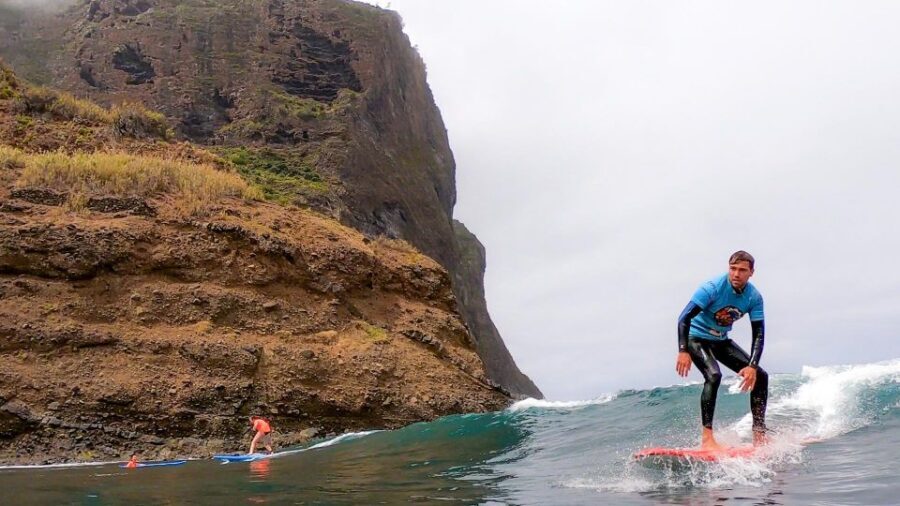
Most people don’t come to their first surf lesson thinking about photo strategy. Still, photos are part of the package here: free photos are included (with exceptions if there are technical issues or severe weather).
A lot of people love this because surfing is intense and time blurs fast. When someone shares lots of photos at the end, it helps you see your stance and timing clearly. One instructor named Rudolfo is specifically mentioned for photos that were described as an icing-on-the-cake moment.
There’s also optional photo analysis when the minimum number of students is reached. Even without that, photos act like a private coach. You can compare what your body did versus what you intended, and then apply it next time.
If you’ve ever tried to learn a sport and then forgot what you looked like mid-action, you’ll understand why that matters.
Weather, tides, and why you’ll check WhatsApp the night before
This lesson runs based on tides and swell forecasts, which means the start time you see can shift. Surfing in Madeira isn’t one-size-fits-all. The team needs the sea to be workable for your level and safe for the group.
That’s why you must confirm the exact time and location the day before by 8:00 PM (and contact them by WhatsApp). It’s a small admin task, but it’s part of why the session stays good for learners instead of turning into a waiting game.
Also, the lesson happens in all weather conditions. That’s great if you want real-world surf experience. It’s also a reminder to bring the basics: swimwear, towel, sunscreen, and beachwear.
Practically: pack smart. Wear what you can into the wetsuit quickly, and plan for being wet and salty after.
Who should book this surf lesson in Madeira, and who should skip it
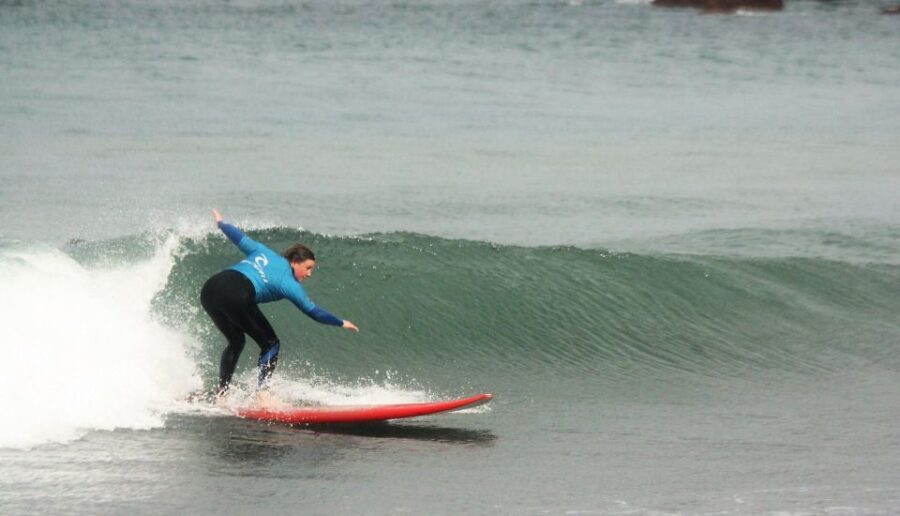
This is a solid pick if you want:
- a first surf experience with a real chance to stand,
- coaching that adjusts to your level,
- and a session that’s short enough to fit into a Porto da Cruz or Madeira itinerary.
It also seems friendly for teens and family situations because the small group and patient instructors help keep beginners from feeling overwhelmed. One family booked for daughters aged 11, 14, and 16 and the result was positive.
But it’s not suitable for children under 5, and it’s not suitable for pregnant women. If either applies, you should look for another activity type.
Language-wise, you’re covered: Portuguese, Spanish, Italian, English, and French. So you won’t feel left out if your Portuguese is more like a few helpful phrases.
Should you book? My take on value and fit
If your goal is to learn surf properly in a real small-group setting, I’d book this. At $82 per person for about 3 hours, the value comes from what’s included: a full 2-hour lesson, surfboard, wetsuit, leash, instructor certification, security briefing, insurance, and free photos.
That combination matters because surfing lessons can get expensive fast once you add gear rentals, photos, and safety extras. Here, you don’t have to chase pieces of the experience.
The main thing to get right is timing. You’ll need to confirm the session details by WhatsApp the night before. If you hate last-minute check-ins, this might annoy you.
If you’re comfortable with being coached, getting a bit wet, and learning tides and technique basics along the way, you’re likely to have a memorable Madeira day on the water.
FAQ
How long is the total surf experience?
The total experience lasts about 3 hours, including a 2-hour surf lesson plus time for preparation, warm-up, technical explanations, and return.
How many people are in each group?
It’s limited to 5 participants in a small group.
What’s included in the price?
Included are the 2-hour surf lesson, surfboard, wetsuit, leash, a certified surf instructor, security briefing, and insurance. Photos are also included.
What should I bring?
Bring swimwear, a towel, sunscreen, and beachwear.
Does the lesson run only in good weather?
No. The activity takes place in all weather conditions, rain or shine.
Is transfer included from hotels or elsewhere?
No. Transfer is not included.
Where do I meet for the lesson?
Meet in front of hotel Vila Bela reception in Porto da Cruz.
Do I need to confirm the time and location?
Yes. Surfing lesson times are indicative and can vary with sea conditions and tides, so you must confirm the exact time and location the day before by 8:00 PM (via WhatsApp).